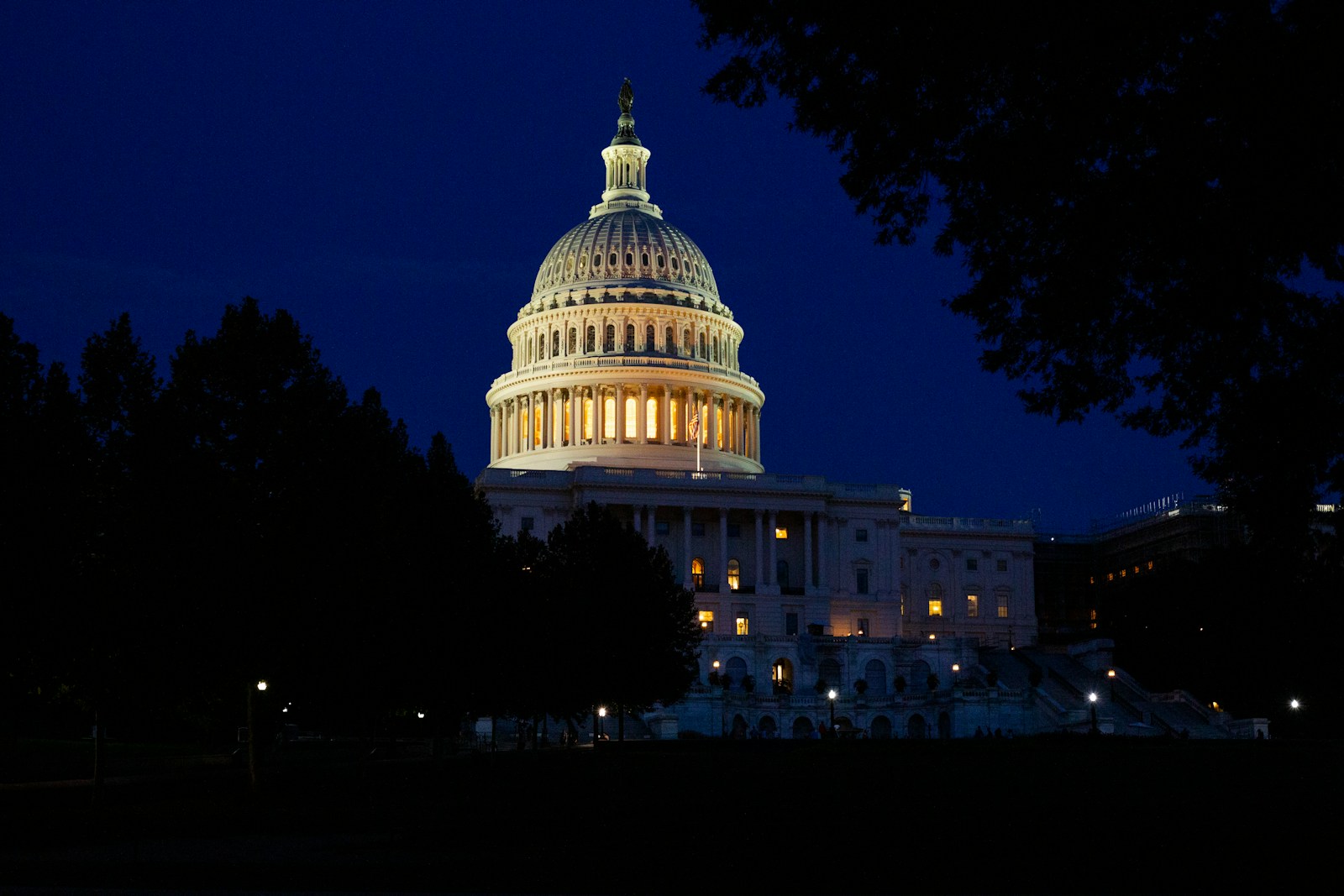
The U.S. Senate voted overwhelmingly on Thursday to provide billions of dollars more in funding for major federal science agencies than requested by the Trump administration, rejecting proposed deep cuts to research, space science and weather programs.
In an 82–15 vote, the Senate approved a so-called minibus spending package funding agencies including the National Aeronautics and Space Administration, the National Oceanic and Atmospheric Administration and the National Science Foundation through Sept. 30. The measure passed the House of Representatives last week by a vote of 397–28 and now heads to Donald Trump for signature.
Had lawmakers adopted the administration’s proposal, funding for the National Science Foundation would have been cut by 57%, while NASA’s science programs would have faced reductions of about 47%, according to a bill summary released by Senator Patty Murray. NOAA, which oversees the National Weather Service, had been targeted for a 27% funding cut.
Instead, the final legislation provides $1.67 billion more than requested for NOAA and $5.63 billion more for NASA, Murray said. “We rejected Trump’s plan to slash the funding for scientific research and the National Science Foundation’s budget by 57%, cut NASA’s science budget in half and devastate NOAA and climate research that all of us rely on,” she said during floor debate.
The bipartisan measure was led by Senator Susan Collins, who said Congress chose to preserve core science capabilities while making only modest overall spending reductions. “I’m pleased that we restored funding that was proposed to be cut,” Collins said, adding that the bill also protects how agencies reimburse indirect research costs such as facilities, equipment and administrative support.
The package also reverses proposed eliminations of some programs, including NOAA’s satellite initiatives, and provides funding to rebuild staffing at the National Weather Service after buyouts and probationary layoffs earlier this year.
The White House has signaled support for the bill. In a statement cited by NBC News, the Office of Management and Budget said that if the legislation reached the president’s desk in its current form, senior advisers would recommend signing it into law, noting that it still reduces overall federal spending.
Congress is expected to consider additional minibus bills covering labor, health care and national security programs before Jan. 30, when a stopgap funding measure expires. Collins said lawmakers aim to finalize spending before then to avoid “disastrous government shutdowns that are totally unnecessary and so harmful.”