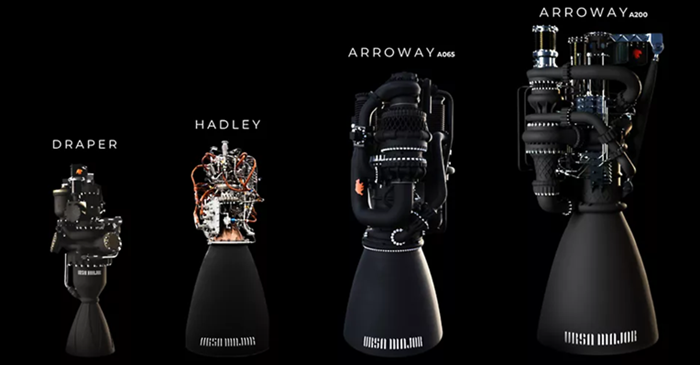
Ursa Major is advancing propulsion technologies for launch vehicles, satellite mobility and space-based defense applications through the portfolio of liquid rocket engines, in-space propulsion systems and tactical propulsion solutions. Headquartered in Berthoud, the company focuses on developing scalable propulsion technologies designed to support commercial launch providers, national security missions, satellite operators and next-generation space defense architectures. Ursa Major is positioning the propulsion technologies to support a broad range of applications spanning launch systems, hypersonics, satellite mobility and space-based defense infrastructure. The company’s portfolio includes the Hadley, Ripley and Arroway launch engines, as well as modular in-space propulsion systems and tactical propulsion technologies designed for rapidly evolving orbital and defense mission requirements.
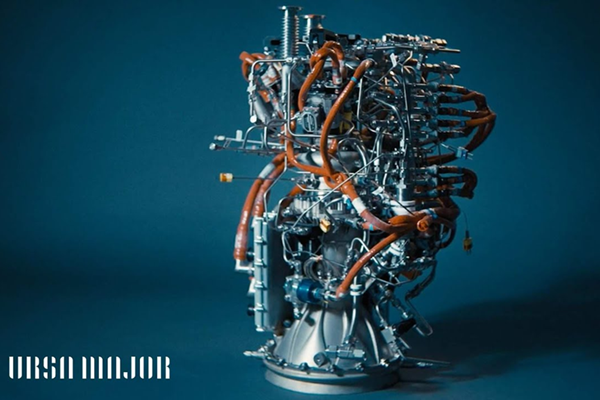
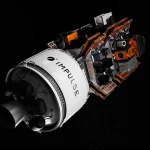
A major focus area for Ursa Major is in-space mobility, where the company is developing modular propulsion systems intended to provide satellites and orbital systems with greater maneuverability, responsiveness and operational endurance. Ursa Major’s in-space propulsion architecture is based on a hydrazine monopropellant system engineered to deliver tactically responsive six-degree-of-freedom (6DOF) maneuvering capabilities. The system is designed to support dynamic orbital operations across Low Earth Orbit (LEO), Geostationary Orbit (GEO) and other space environments where maneuverability and mission adaptability are increasingly critical. The propulsion platform is optimized for mission flexibility and customizable burn durations, allowing satellites to perform a wide range of maneuvers including orbital repositioning, collision avoidance, threat mitigation, station keeping and operational life extension. As orbital environments become more congested and operationally contested, responsive propulsion systems are becoming essential for maintaining mission continuity and spacecraft survivability. Ursa Major states that many critical propulsion components are developed internally, including propellant tanks, thrusters and avionics systems. By controlling key aspects of the development and manufacturing process, the company aims to reduce lead times while improving system reliability and production scalability.
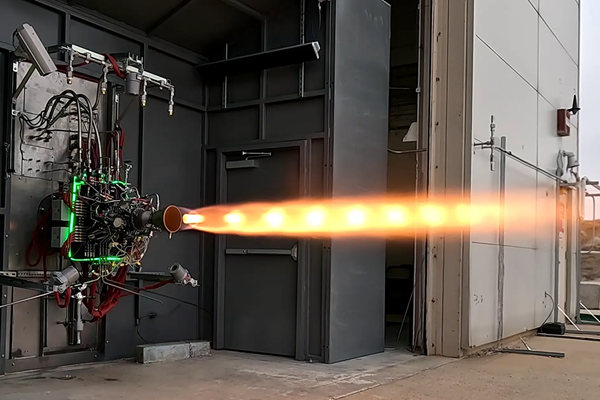
The company’s manufacturing strategy is also designed to support resilient supply chains and rapid production scalability, helping customers deploy propulsion systems more efficiently for evolving mission requirements. The modular design philosophy allows systems to be designed to different spacecraft architectures and mission profiles while supporting faster integration and deployment timelines. Ursa Major’s in-space propulsion systems are intended to support both commercial and defense-oriented applications, particularly as governments and satellite operators seek higher levels of orbital agility and operational responsiveness. The company highlights tactical storability, operational responsiveness and scalable manufacturing as key characteristics of the propulsion technologies. Ursa Major’s propulsion portfolio includes solid rocket motors and tactical storable liquid propulsion systems designed for applications where rapid deployment readiness and operational durability are essential. Ursa Major’s propulsion technologies are positioned to support missions requiring maneuverability, rapid response, and long-term operational availability in contested environments. The company’s manufacturing-focused approach is intended to improve production efficiency and scalability while supporting emerging national security requirements for domestically produced propulsion technologies and resilient industrial capacity.
Among Ursa Major’s core propulsion systems is the Hadley engine, an oxygen-rich staged combustion rocket engine designed for small launch vehicles and hypersonic applications. Hadley is recognized as America’s first oxygen-rich staged combustion engine. Oxygen-rich staged combustion is a high-performance propulsion cycle that can provide improved efficiency and combustion performance compared to more traditional engine architectures. The engine is intended for use in small launch systems and hypersonic vehicles, where performance, efficiency and operational responsiveness are critical. Hadley’s design enables it to support launch missions requiring high thrust efficiency while also aligning with rapidly emerging hypersonic development programs. The company’s focus on oxygen-rich staged combustion technology reflects broader industry efforts to improve launch vehicle performance while maintaining manufacturability and operational scalability. Ursa Major’s Ripley engine is a high-performance kerosene-fueled propulsion system developed for small- to medium-class commercial launch vehicles. The engine is designed to support commercial launch missions requiring scalable propulsion capability and reliable operational performance. Kerosene-based propulsion systems remain widely used across the launch industry due to their balance of performance, storability, and operational practicality. Ripley is intended to support launch providers seeking domestically produced propulsion systems capable of supporting orbital launch missions across multiple payload classes. The engine also aligns with broader industry demand for scalable propulsion technologies supporting increasing satellite deployment activity and responsive launch capabilities. Ursa Major’s propulsion manufacturing strategy is designed to support higher production rates and shorter development timelines, helping address growing demand within the commercial launch sector.
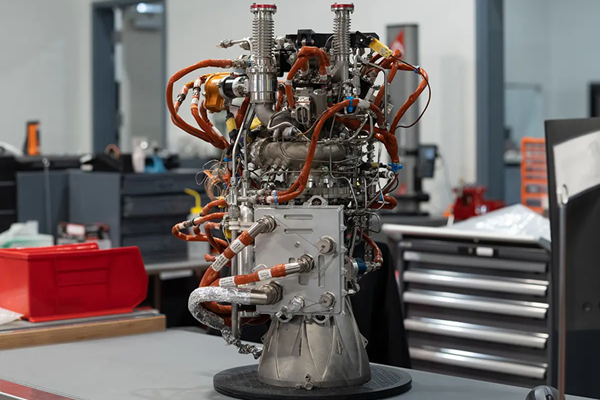
The company is also developing the Arroway engine, a larger advanced propulsion system intended for heavy-lift and national security launch applications. Arroway is designed to support missions requiring higher thrust capability and larger payload capacities, including government and defense launch operations. As launch demand grows for both commercial constellations and national security payloads, heavy-lift propulsion systems are becoming increasingly important for strategic space access. The engine is part of Ursa Major’s broader effort to provide scalable propulsion solutions spanning multiple launch classes and mission profiles. By expanding from small launch systems to larger national security-oriented architectures, the company is positioning itself to support a wider range of space transportation requirements. The company develops and manufactures many propulsion components internally, allowing greater control over production schedules, system integration, quality assurance and supply chain resilience. This approach is intended to support faster development cycles while improving consistency across propulsion products and reducing dependency on external manufacturing networks. Ursa Major’s manufacturing expertise also enables product standardization and modular component development, which can simplify integration across different mission architectures and propulsion configurations. Ursa Major’s expanding portfolio of launch engines, satellite propulsion systems and tactical propulsion technologies reflects the industry’s increasing focus on operational flexibility, scalability and mission responsiveness. Ursa Major continues to develop propulsion technologies intended to support evolving commercial space activities, national security initiatives and next-generation space infrastructure across Earth orbit and beyond.
About Ursa Major
Ursa Major is an aerospace propulsion company headquartered in Berthoud focused on developing rocket propulsion systems for launch vehicles, hypersonic platforms, in-space mobility and defense applications. The company designs and manufactures liquid rocket engines, solid rocket motors and satellite propulsion systems for commercial, government and national security missions. Ursa Major’s propulsion portfolio includes the Hadley, Ripley and Arroway launch engines, with modular in-space propulsion systems designed for satellite maneuvering and orbital mobility. The company’s technologies support applications ranging from small and medium launch vehicles to heavy-lift and space-based defense systems. The company is also developing hydrazine-based in-space propulsion systems engineered for six-degree-of-freedom (6DOF) maneuverability, satellite repositioning, collision avoidance and mission life extension across Low Earth Orbit (LEO), Geostationary Orbit (GEO) and other orbital environments. Ursa Major manufactures many of the propulsion components in-house, including thrusters, avionics and propellant tanks, to support scalable production, supply chain resilience and shorter development timelines. The propulsion technologies are designed to support responsive launch operations, orbital maneuverability, hypersonic applications and evolving space and defense mission requirements.