
Tag: Satellite
-
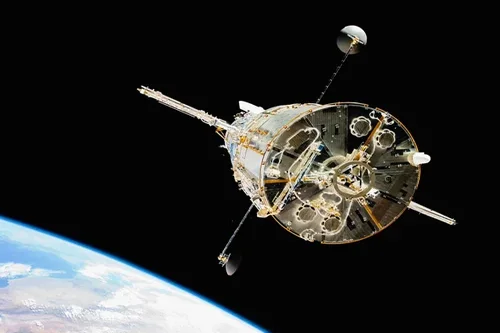
MDA Space Secures $1.1B Contract to Develop Globalstar’s Next-Gen LEO Constellation
MDA Space Ltd., a trusted mission partner to the rapidly expanding global space industry, announced that it has signed a definitive contract with Globalstar Inc. to be the prime contractor for the satellite operator’s next generation low Earth orbit (LEO) constellation, with a total contract value of approximately $1.1 billion. As part of the definitive…
-
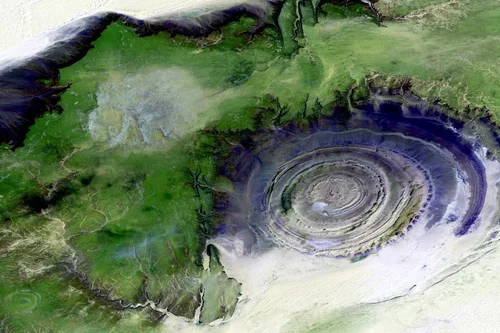
What is Symbol Rate Uplink of a Satellite Bus?
The symbol rate uplink of a satellite bus is a critical parameter in satellite communications, referring to the rate at which symbols are transmitted from the ground station to the satellite. It is a measure of how quickly data is sent from the Earth to the satellite and is a key factor in determining the…
-

What is LizzieSat Constellation?
Sidus Space, an innovative company in space technology, is at the forefront of developing satellite platforms that offers comprehensive solutions for commercial, governmental, and educational needs. The company has established itself as a critical player in the new space economy by supporting the strengths of modular, scalable, and affordable satellite platforms. The LizzieSat platform, represents…
-
Different Hazards in Human Spaceflight
Human spaceflight represents one of the most challenging and dangerous endeavors undertaken by our species. As we push the boundaries of exploration beyond Earth’s atmosphere, astronauts face a multitude of hazards that must be understood, mitigated, and overcome. There are five main hazards that astronauts are faced with when exploring space. Acknowledging these risks permits…
-
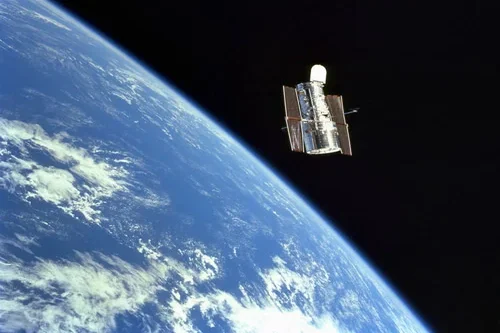
What is ADEOS (Advanced Earth Observing Satellite)?
Advanced Earth Observing Satellite (ADEOS) is a Japanese satellite program developed by Japan Aerospace Exploration Agency (JAXA) to monitor Earth’s environment from space. ADEOS was Japan’s first major international satellite dedicated to Earth observation. The ADEOS is also known as “MIDORI” which is a Japanese word that means “Green”. MIDORI was launched from Tanegashima Space…
-

What is a Power Processing Unit (PPU) for Thrusters?
A Power Processing Unit (PPU) for thrusters is a critical component in spacecraft propulsion systems. It serves the crucial function of converting the spacecraft’s primary electrical power—typically generated by solar panels or onboard batteries—into the specific forms and levels required to operate the thrusters effectively. This conversion is crucial for maintaining the required thrust levels,…
-

What is a Payload Mass of a Satellite Bus?
The payload mass of a satellite bus refers to the weight of the instruments and equipment that the satellite is designed to carry and deploy in space. This includes scientific instruments, communication devices, sensors, cameras, and other mission-specific hardware. Payload mass is the total weight of the functional components that the satellite carries to perform…
-
What is Data Acquisition Rate of Earth/Horizon Sensor?
The data acquisition rate of an Earth/Horizon sensor refers to the frequency at which the sensor collects and processes data about the Earth’s horizon. This rate is crucial for the accurate and timely determination of a satellite’s orientation relative to Earth, ensuring that the satellite maintains its intended attitude for communication, imaging, and other missions.…
-
What is a Payload Peak Power of a Satellite Bus?
The payload peak power of a satellite bus is a crucial parameter in satellite design and operation. The peak power refers to the highest power level that the payload requires during its most intensive operational phases. This value is critical for designing the satellite’s power subsystem, ensuring it can handle peak loads without interruption. It…
-
What is CALIPSO (Cloud-Aerosol Lidar and Infrared Pathfinder Satellite)?
The CALIPSO mission (Cloud-Aerosol Lidar and Infrared Pathfinder Satellite Observations) represents a collaboration between NASA and the French space agency CNES. Launched on April 28, 2006, the satellite was conceived to enhance the understanding of the role clouds and aerosols play in Earth’s climate system and air quality. Aerosols tiny particles like dust, smoke, and…