
Tag: Space
-
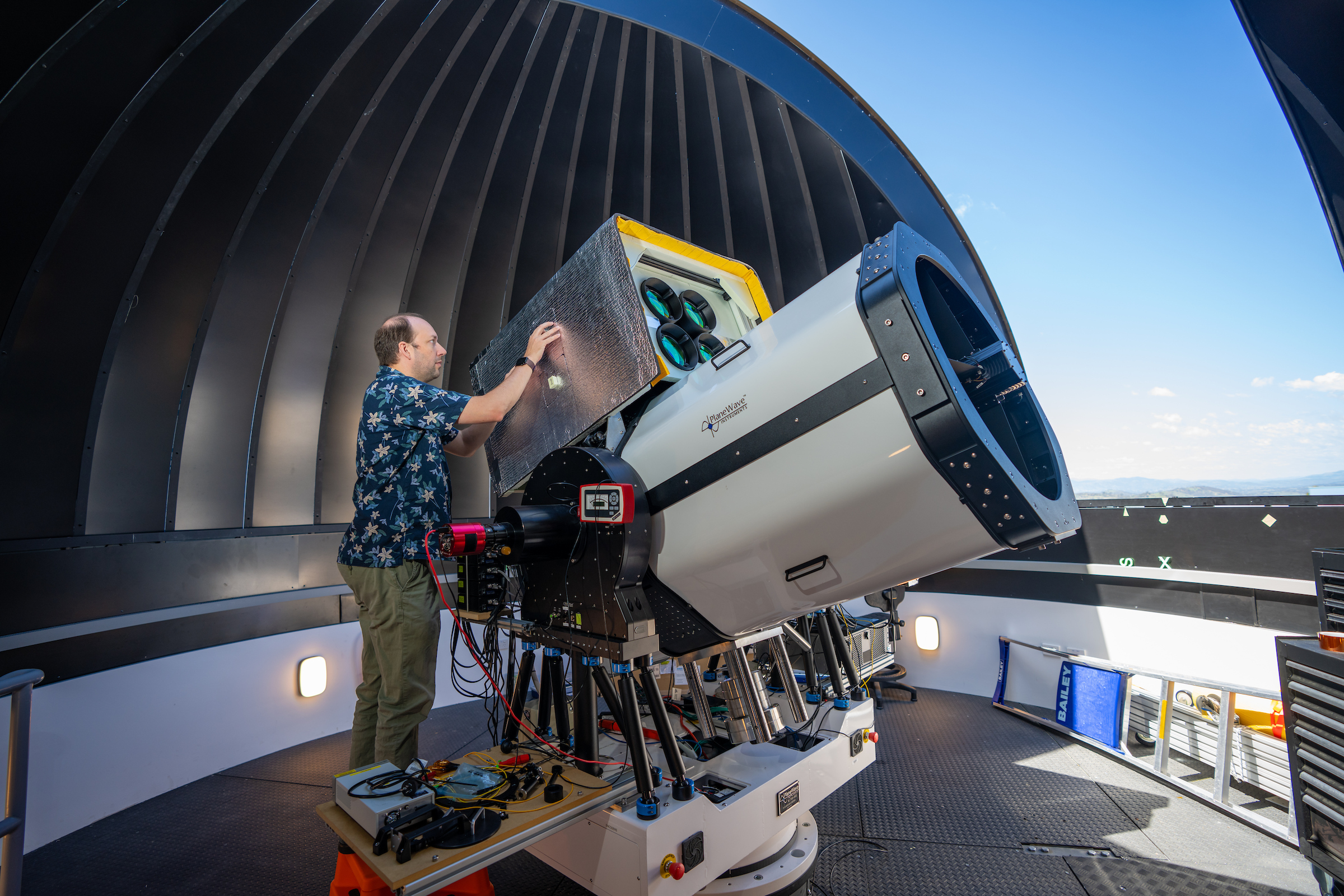
You want your Moon landings in HD? So does NASA—here’s how it’s happening.
During most of the Artemis II mission, the crew of four astronauts beamed back low-definition video, both from inside the spacecraft and from exterior views of the Moon. It was exhilarating stuff, but in a world in which we’re all watching HDTVs, it also felt a little flat. This is because Orion largely communicated with…
-
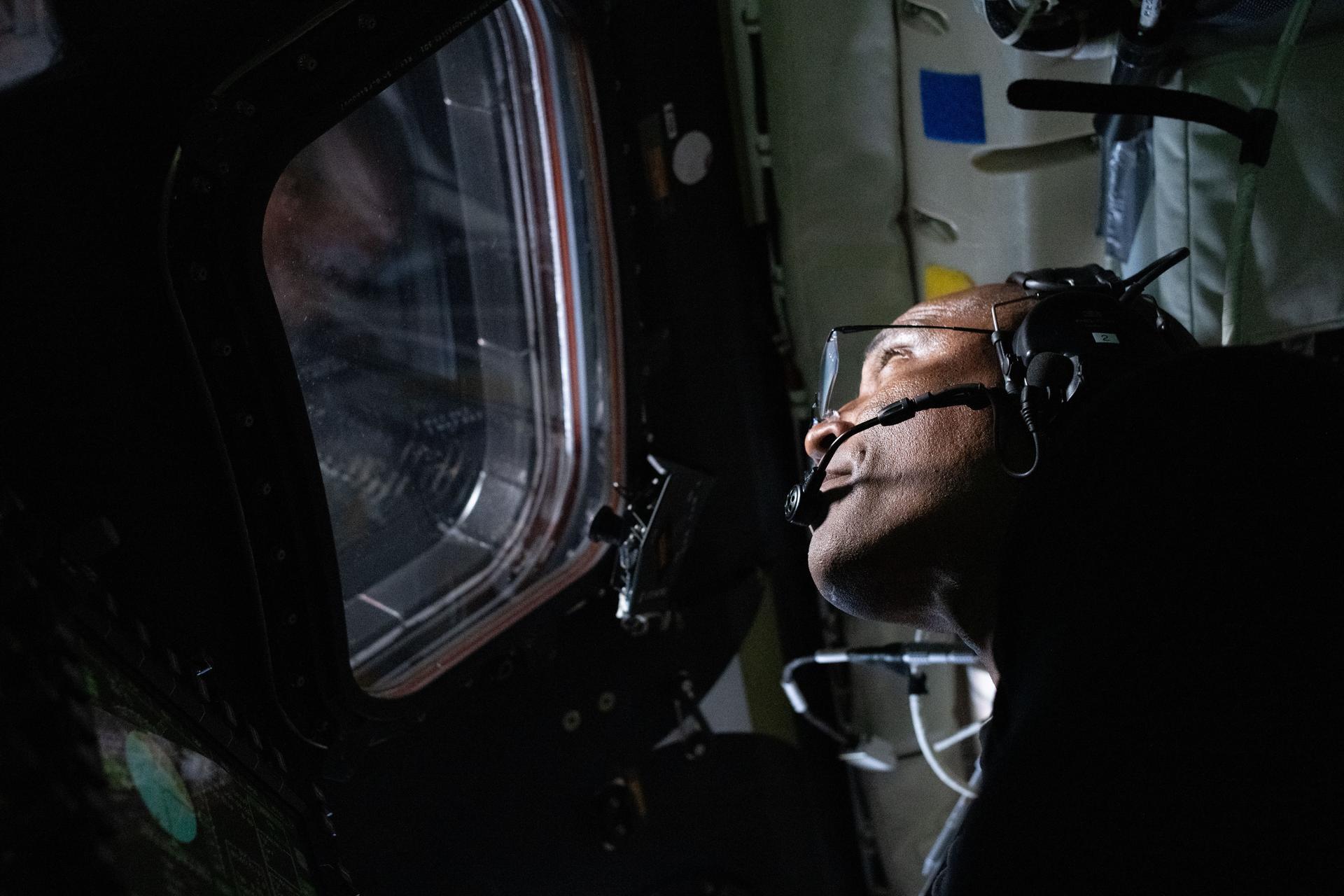
Artemis II pilot talks about what it was really like to fly and land in Orion
The crew of Artemis II spoke with the media on Thursday, six days after returning to Earth following their mission around the Moon. After a news conference, the astronauts gave a handful of interviews, and Ars was able to speak with Orion’s pilot, Victor Glover. Glover and Ars first connected nearly a decade ago as…
-
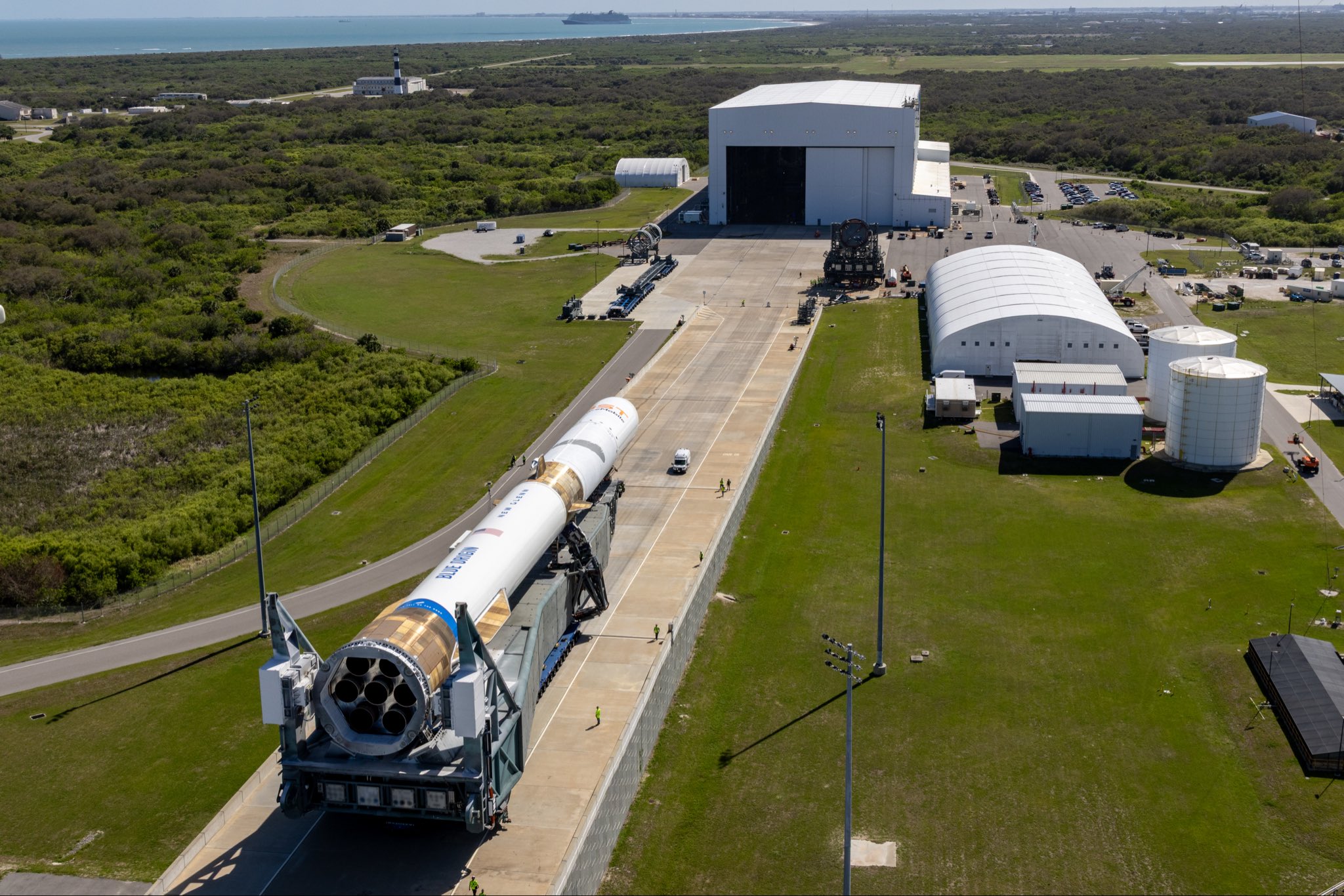
Blue Origin has a new employee stock plan, but not everyone is happy
Blue Origin released details about a new stock option plan in an internal communication on Tuesday. Ars was able to review the materials and connect with some employees to gather their thoughts. Some of the early reviews are not positive, with one employee going so far as to describe the plan as “pure f—king trash.”…
-
Amazon and Apple vs. Starlink: Globalstar satellite acquisition comes with a big iPhone bonus
Amazon announced an agreement Tuesday to acquire Globalstar, adding the satellite operator’s fleet, spectrum, and Apple partnership to its growing Amazon Leo network. (Amazon Image) Amazon isn’t just buying Globalstar — it’s inheriting Apple’s satellite roadmap. The Seattle-based company’s agreement to acquire the satellite operator behind Apple’s iPhone Emergency SOS feature promises to give it…
-
The Artemis II mission has ended. Where does NASA go from here?
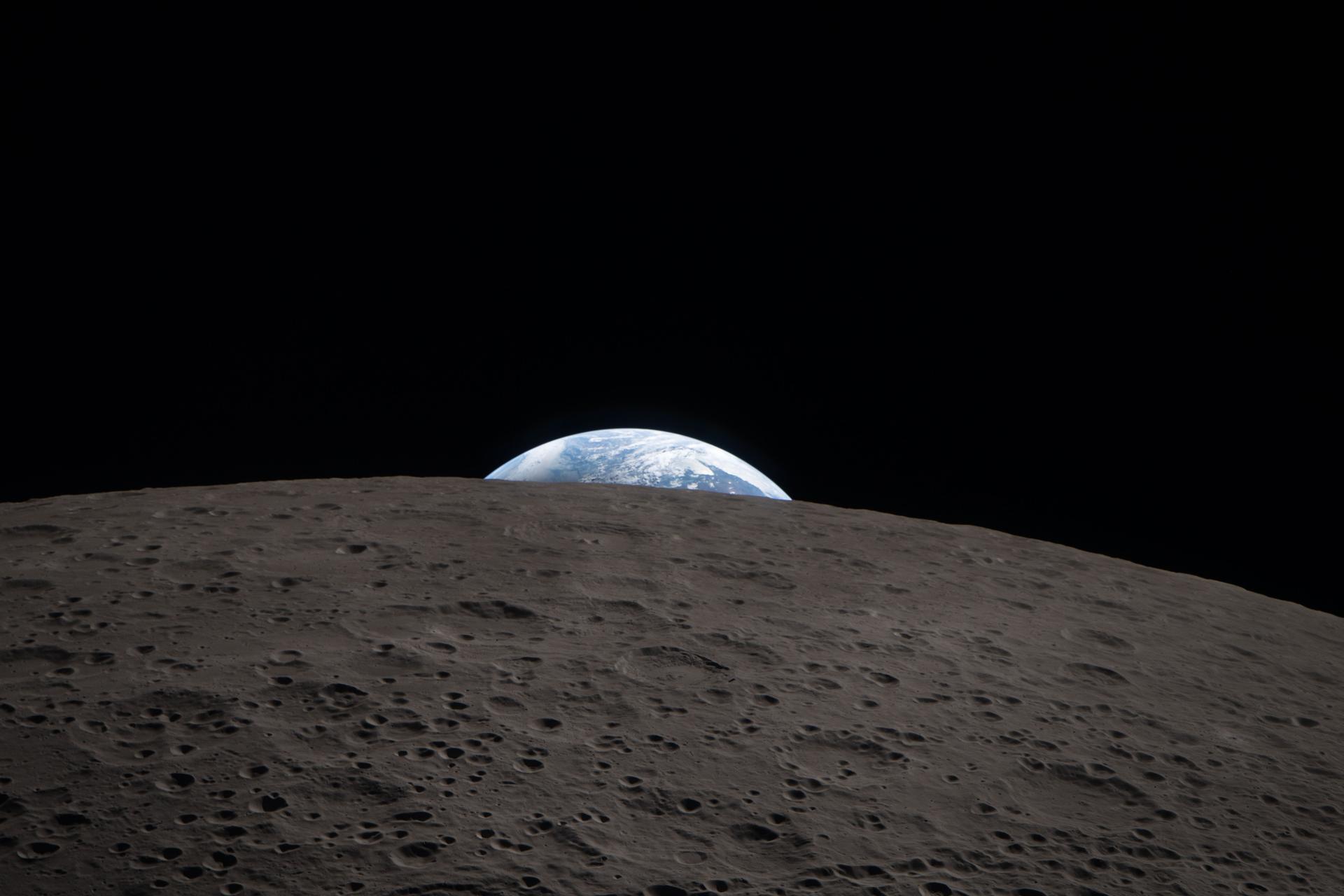
The Artemis era well and truly began Friday evening when a shiny spacecraft that had traveled 700,000 miles around the Moon, carrying four astronauts, splashed down in the Pacific Ocean off the coast of California. For NASA, for its international partners, and for all of humanity the successful conclusion of the Artemis II mission marked…
-
Here’s what to expect from the fiery, 14-minute return of Artemis II
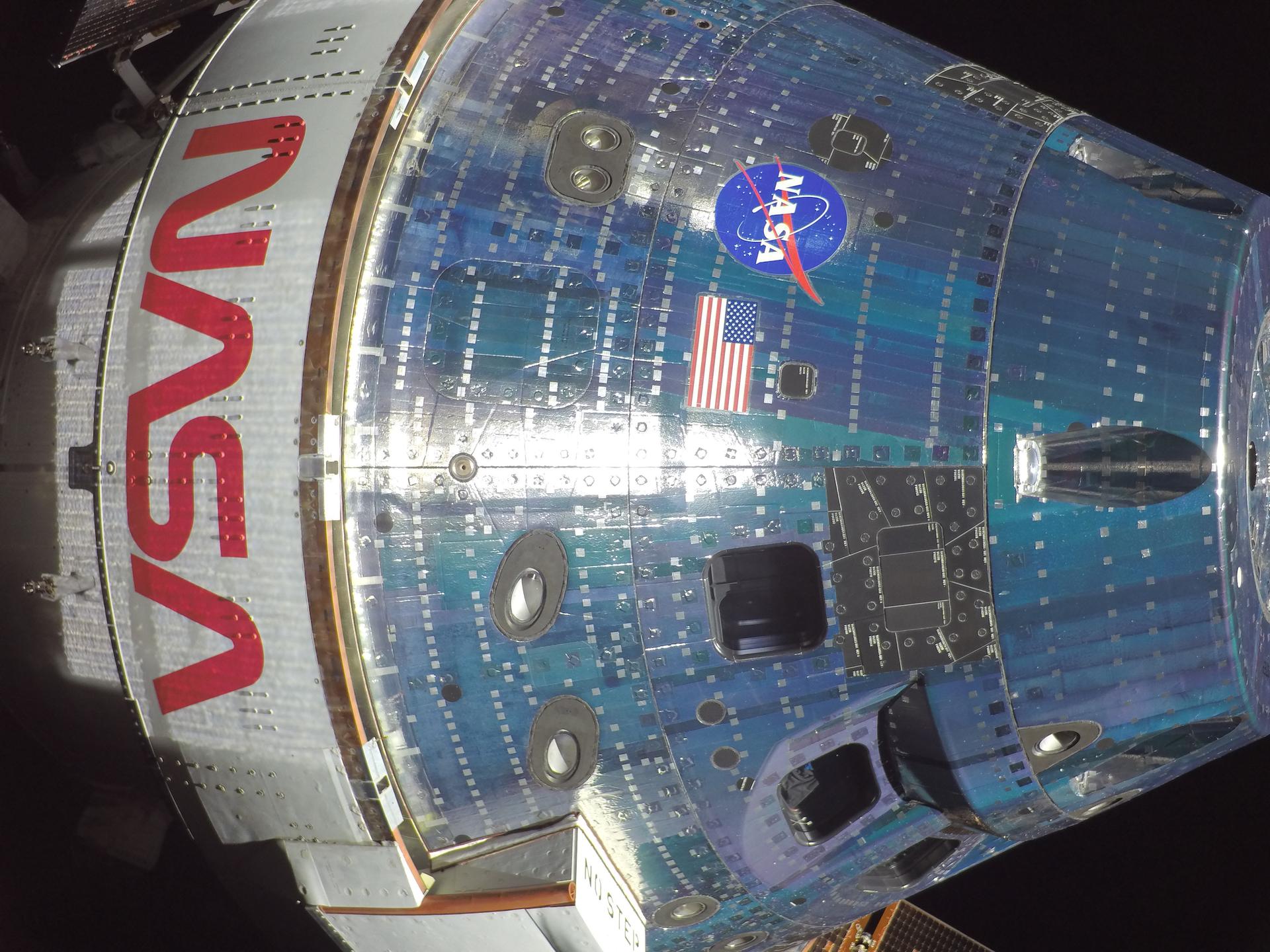
Death, taxes, and the gravitationally bound return of the Artemis II mission on Friday evening. These are the only certainties in life. Even if the four astronauts on board the Orion spacecraft discovered a serious flaw in their spacecraft today—and to be clear, from recent images reviewed by NASA experts, everything looks just fine—there is…
-
Rocket Report: Chinese version of Falcon 9 fails; Artemis depends on rapid heavy lift
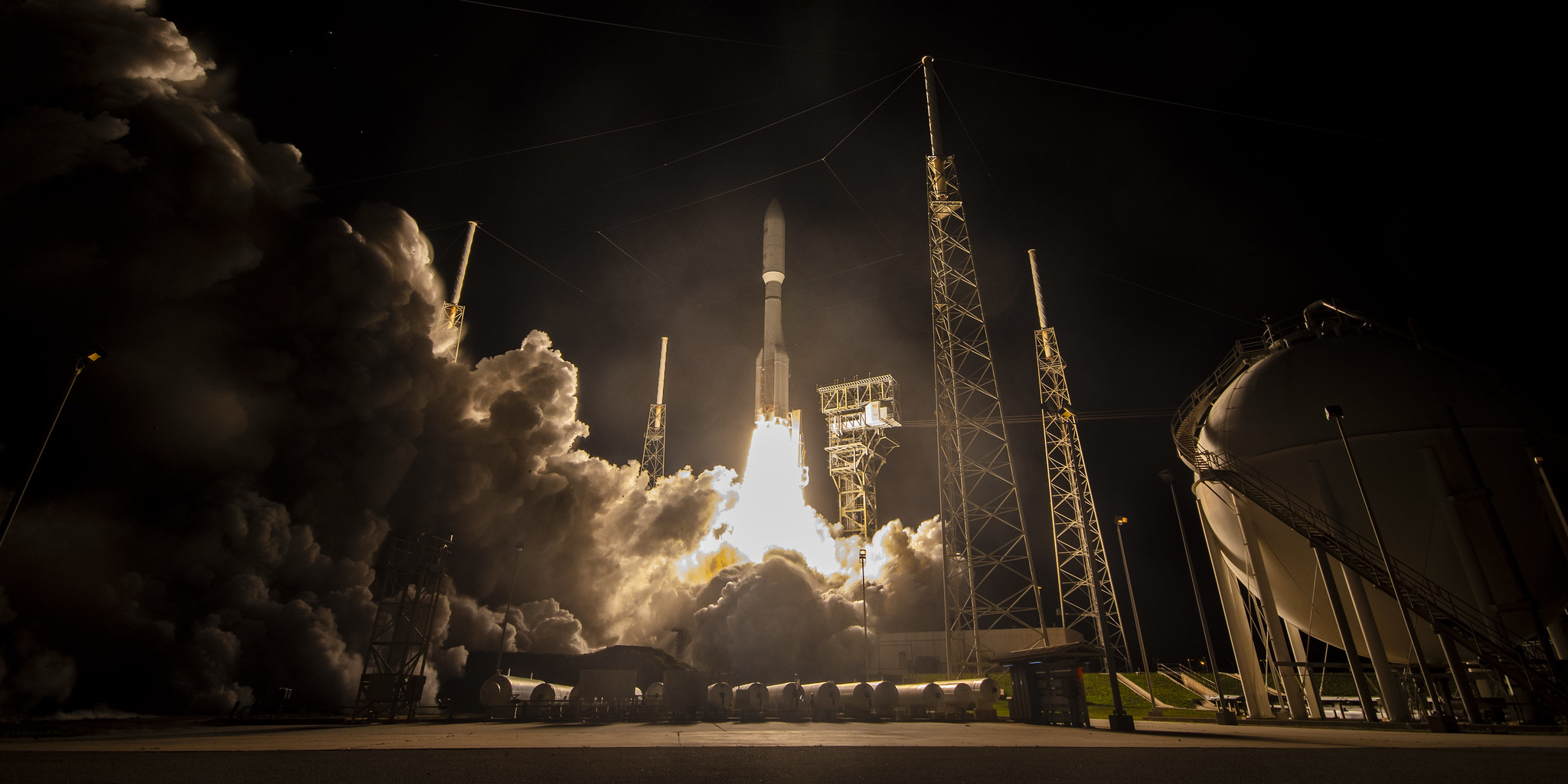
Welcome to Edition 8.36 of the Rocket Report! Thank you for your indulgence of our missing the report last week, as we focused on the launch and progress of the Artemis II mission. And we are so thrilled it has been going smoothly, with brilliant imagery of the far side of the Moon. Of course,…
-

Finally, Artemis delivers some exceptional, high-quality photos of the Moon
NASA’s Artemis II mission, carrying four astronauts on an out-of-this-world journey, flew around the Moon on Monday. The crew members took turns describing the stunning landscape below and captured images of Earth rising behind the Moon, in communications with Mission Control in Houston. What they did not send back in real time, due to a…
-
Why is NASA bothering to go back to the Moon if we’ve already been there?
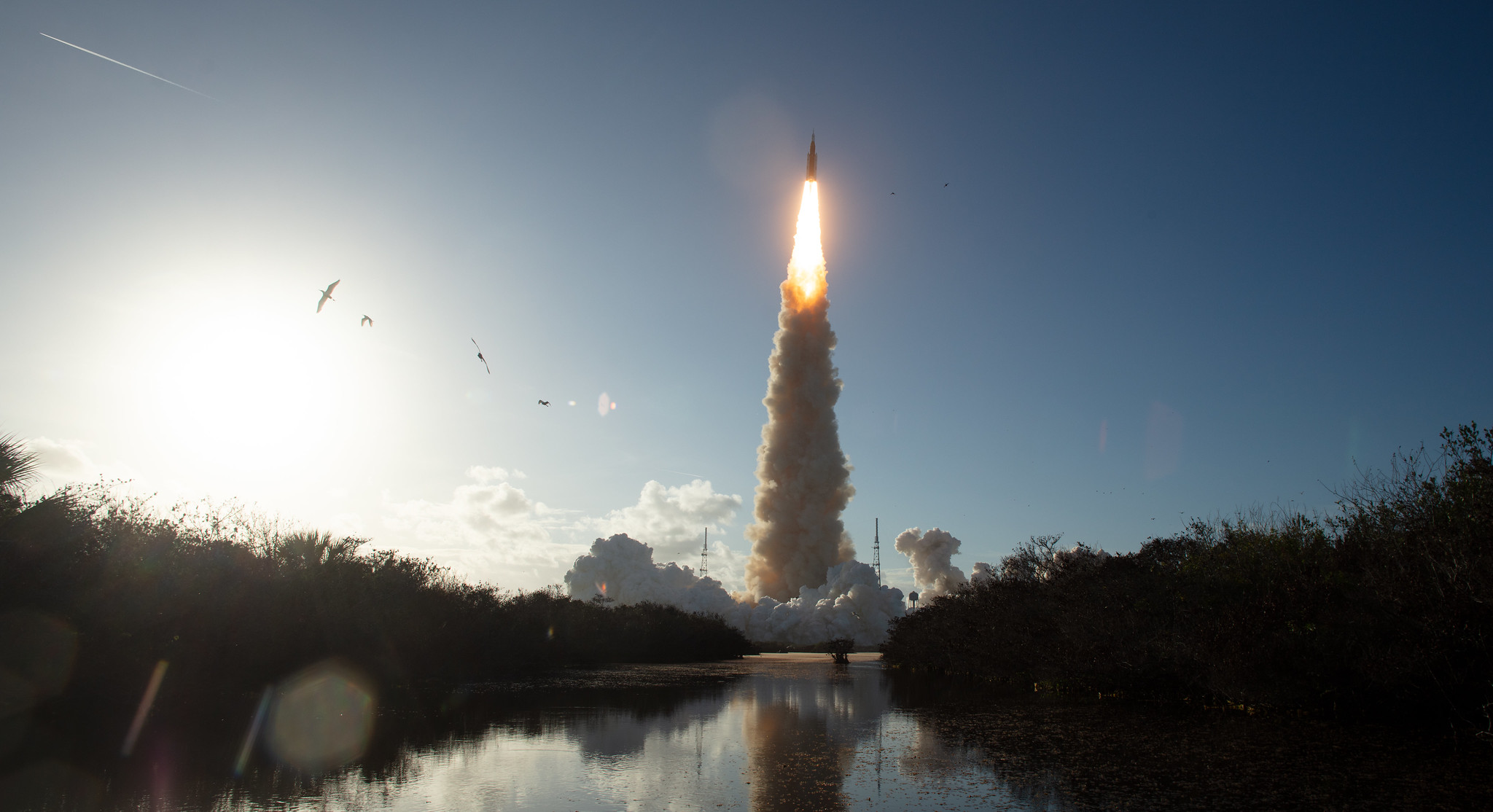
KENNEDY SPACE CENTER, Fla.—The first time NASA launched humans toward the Moon, in December 1968, the United States was a deeply fractured nation. The historic flight of three people into the unknown brought a measure of solace to a country riven by assassinations, riots, political discord, and a deeply unpopular foreign war. If history does…
-
This is my third Orion launch, but it feels totally different
KENNEDY SPACE CENTER, Fla.—This will be the third time I have observed NASA’s Orion spacecraft take flight. But with this one, for the first time, am I genuinely hopeful about the future of the space agency and its plans to build a station on the surface of the Moon. The two previous flights, in 2014…