
Tag: Space
-
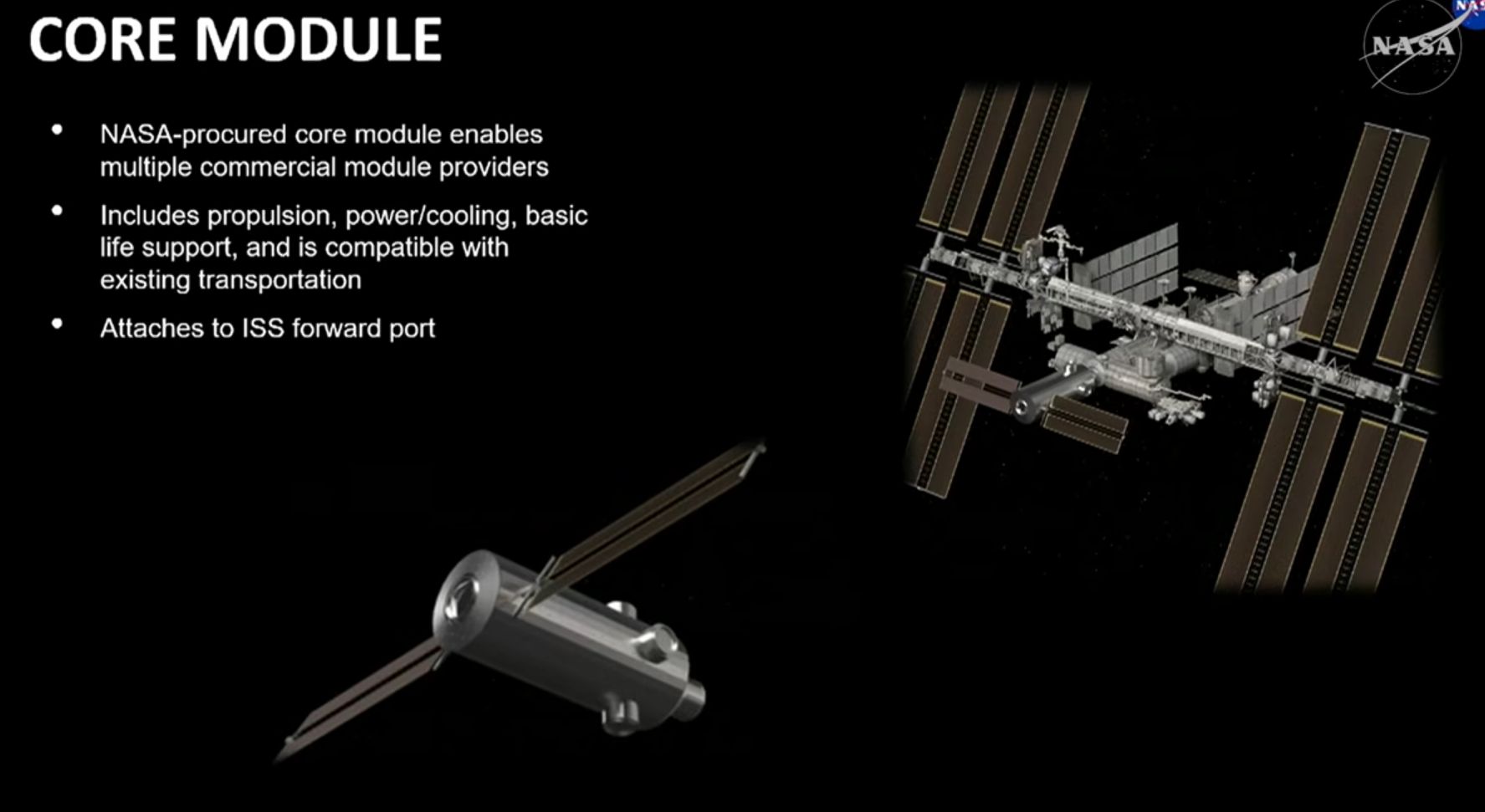
No one is happy with NASA’s new idea for private space stations
Most elements of a major NASA event this week that laid out spaceflight plans for the coming decade were well received: a Moon base, a focus on less talk and more action, and working with industry to streamline regulations so increased innovation can propel the United States further into space. However, one aspect of this…
-
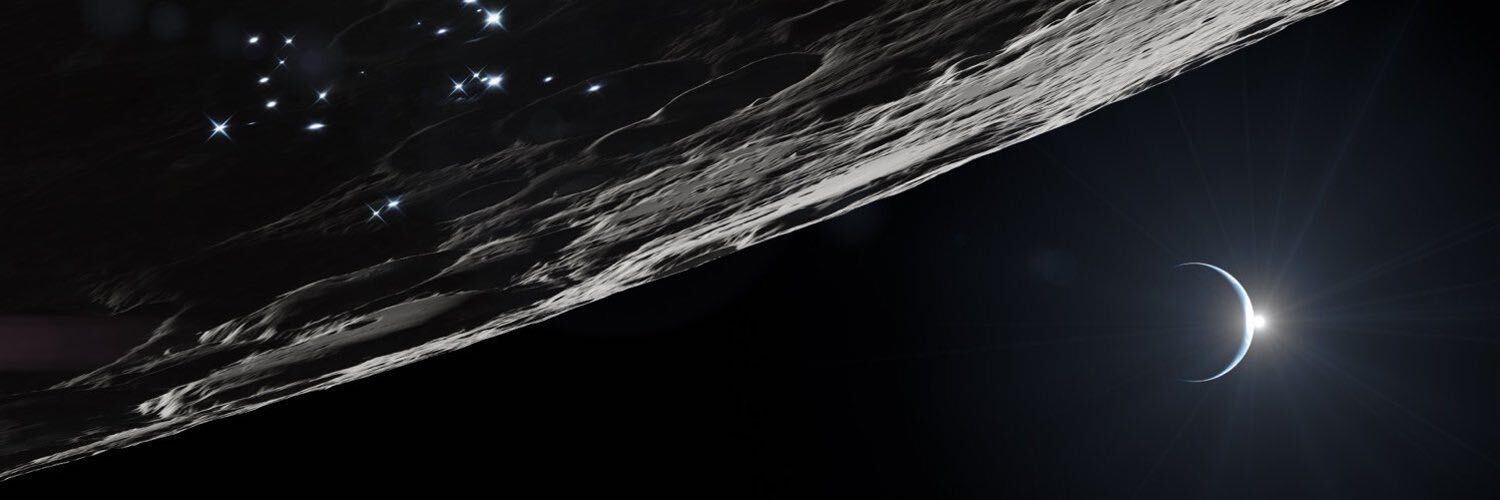
NASA kills lunar space station to focus on ambitious Moon base
WASHINGTON, DC—NASA Administrator Jared Isaacman on Tuesday laid out a sweeping vision for the space agency’s next decade during an event called “Ignition” in which he and other senior leaders set out their exploration plans. Isaacman and his colleagues shared a number of major announcements, including outlining a nuclear-powered mission to Mars that will release…
-

Orbital data centers, part 1: There’s no way this is economically viable, right?
Editor’s note: This is the first of three feature articles Ars is publishing to explore the financial, technical, and competitive dimensions of orbital data centers. Although the idea of putting data centers into space has long been discussed on a theoretical basis, the technology has rapidly become a red-hot topic. This series will attempt to…
-
A private space company has a radical new plan to bag an asteroid
It may sound fanciful, but a Los Angeles-based company says it has conceived of a plan to fly out to a smallish, near-Earth asteroid, throw a large bag around it, and bring the body back to a “safe” gathering point near our planet. The company, TransAstra, said Wednesday that an unnamed customer has agreed to…
-
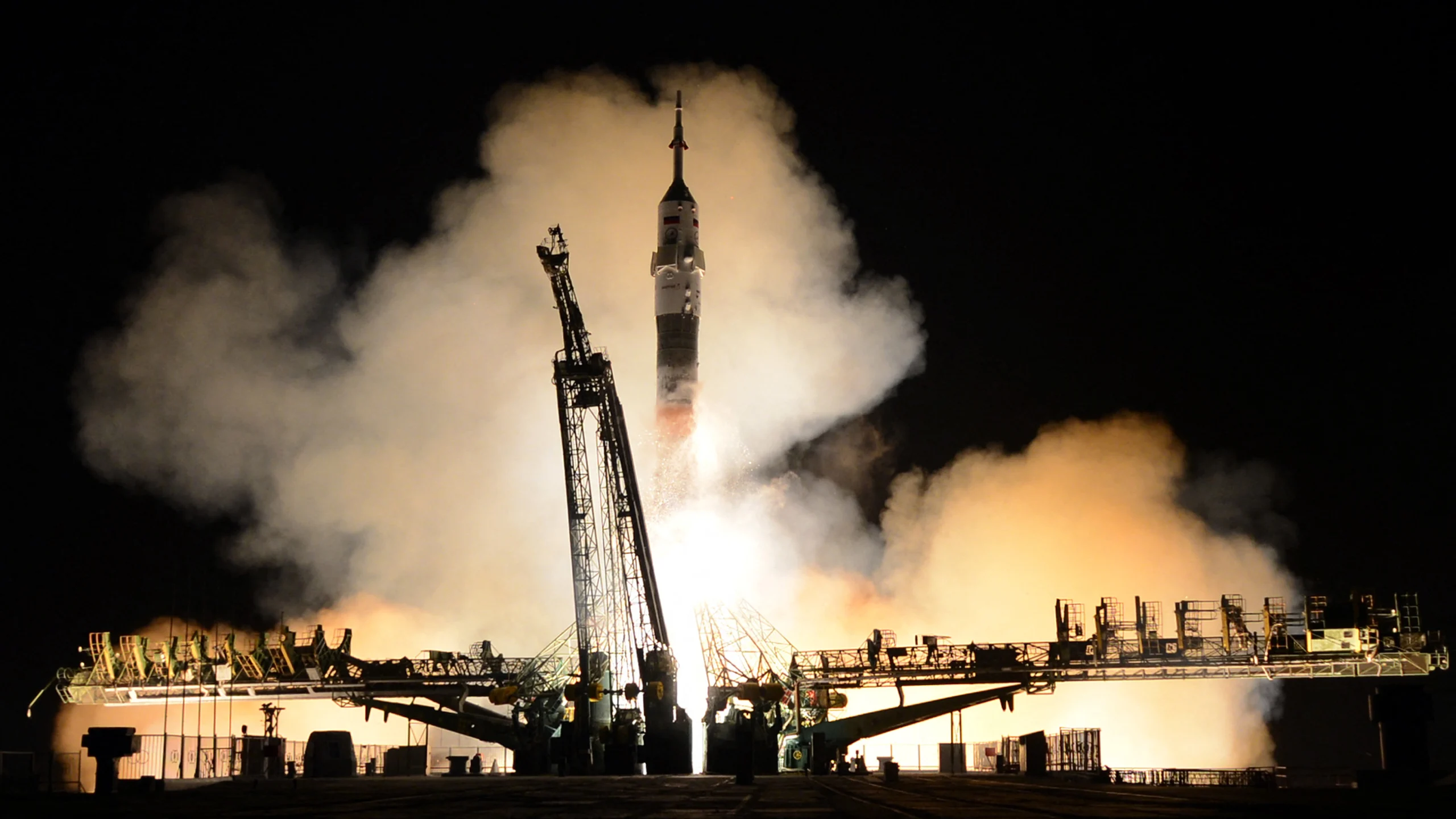
A century after the first rocket launch, Ars staffers pick their favorites
Robert Goddard, a Massachusetts-born physicist, launched the world’s first liquid-fueled rocket on this date 100 years ago. It was not an overly impressive flight. The rocket, fueled by gasoline and liquid oxygen, rose just 41 feet into the air, and the flight lasted 2.5 seconds before it struck ice and snow. Nevertheless, this rocket, named…
-
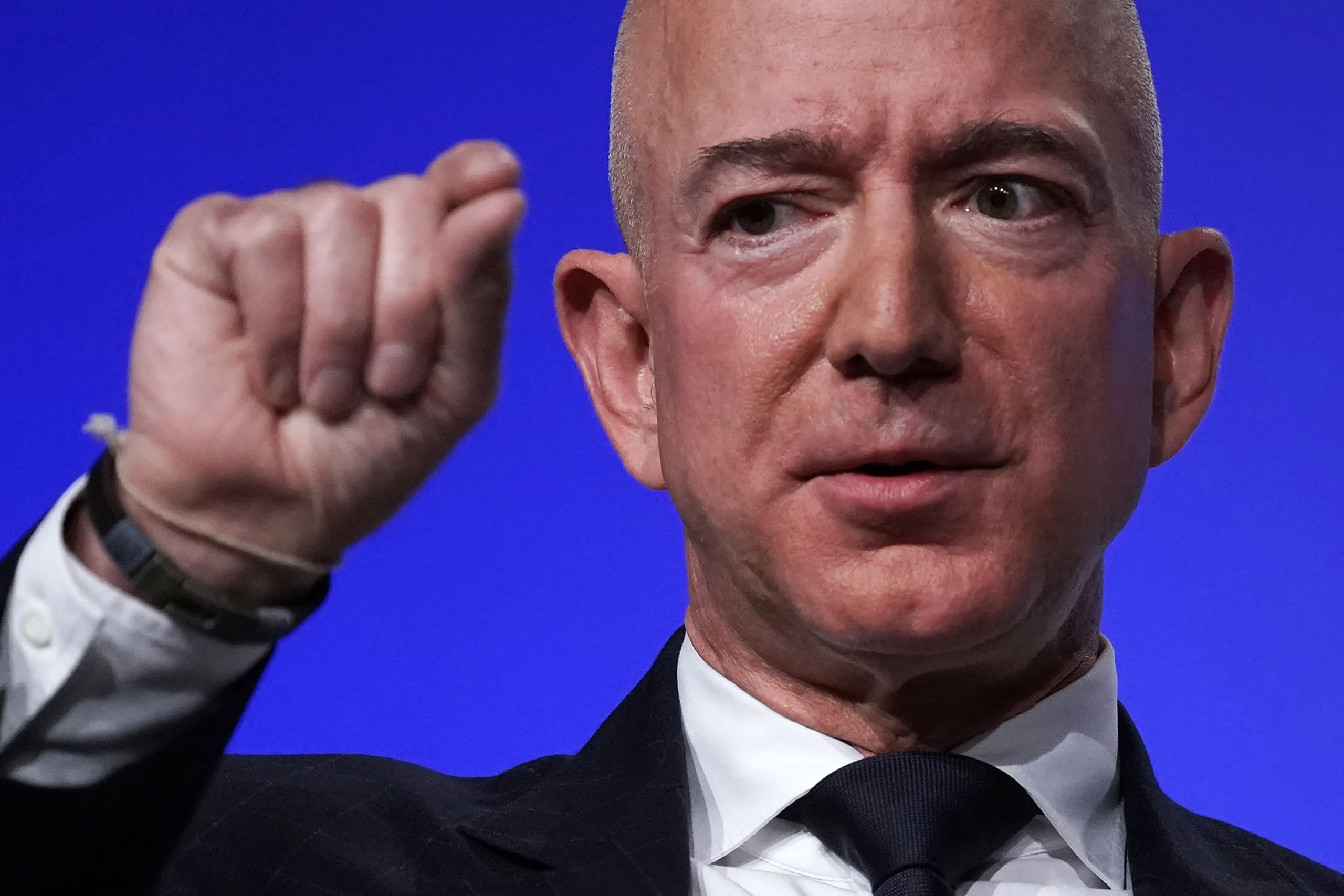
After falling far behind the rest of industry, Blue Origin creates new stock option plan
Editor’s note: On Monday afternoon, Blue Origin chief executive Dave Limp sent employees an email announcing a “new stock option” plan that would allow all employees to participate in and eventually convert vested options. This article explains why this is so important for the company in the competitive space industry. Two years after he founded…
-

Ding-dong! The Exploration Upper Stage is dead
In his 1961 novel The Winter of Our Discontent, John Steinbeck wrote of loss, “It’s so much darker when a light goes out than it would have been if it had never shone.” The death of NASA’s Exploration Upper Stage today represents the inverse of that sentiment. The world of spaceflight is so much brighter…
-
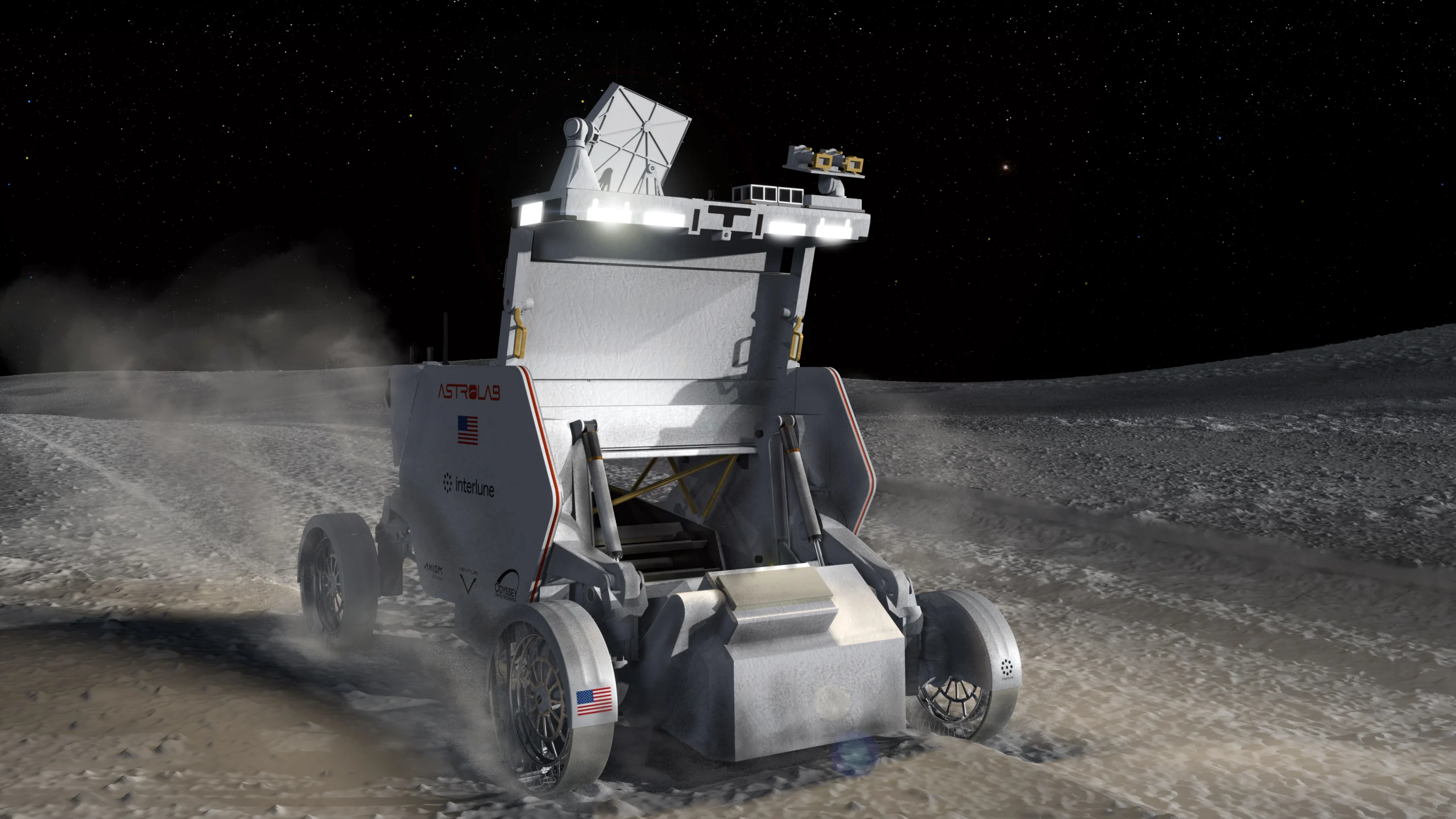
As Moon interest heats up, two companies unveil plans for a lunar “harvester”
The Moon has received a lot of attention in recent months, particularly the surface of Earth’s cold and dusty companion. This has largely been driven by a decision from SpaceX founder Elon Musk to pivot, at least in the near term, from Mars to lunar surface activities and the potential for using material there to…
-
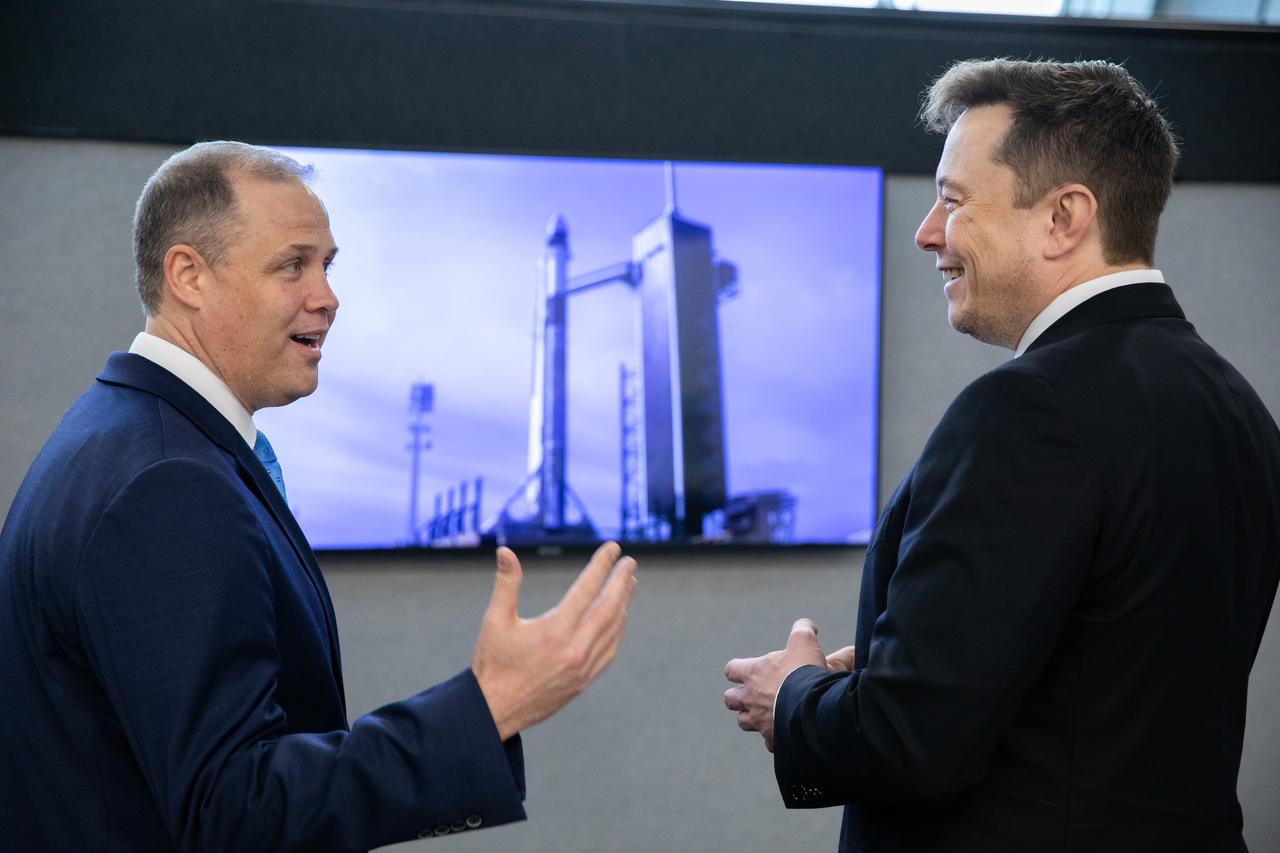
Former NASA chief turned ULA lobbyist seeks law to limit SpaceX funding
A former NASA administrator says he is “encouraged” that the US Congress is considering legislation to prevent NASA from spending more than 50 percent of its launch funding on any single provider. “America succeeds in space when American companies compete, innovate, and grow,” former NASA Administrator Jim Bridenstine wrote on LinkedIn. “I’m encouraged to see…
-
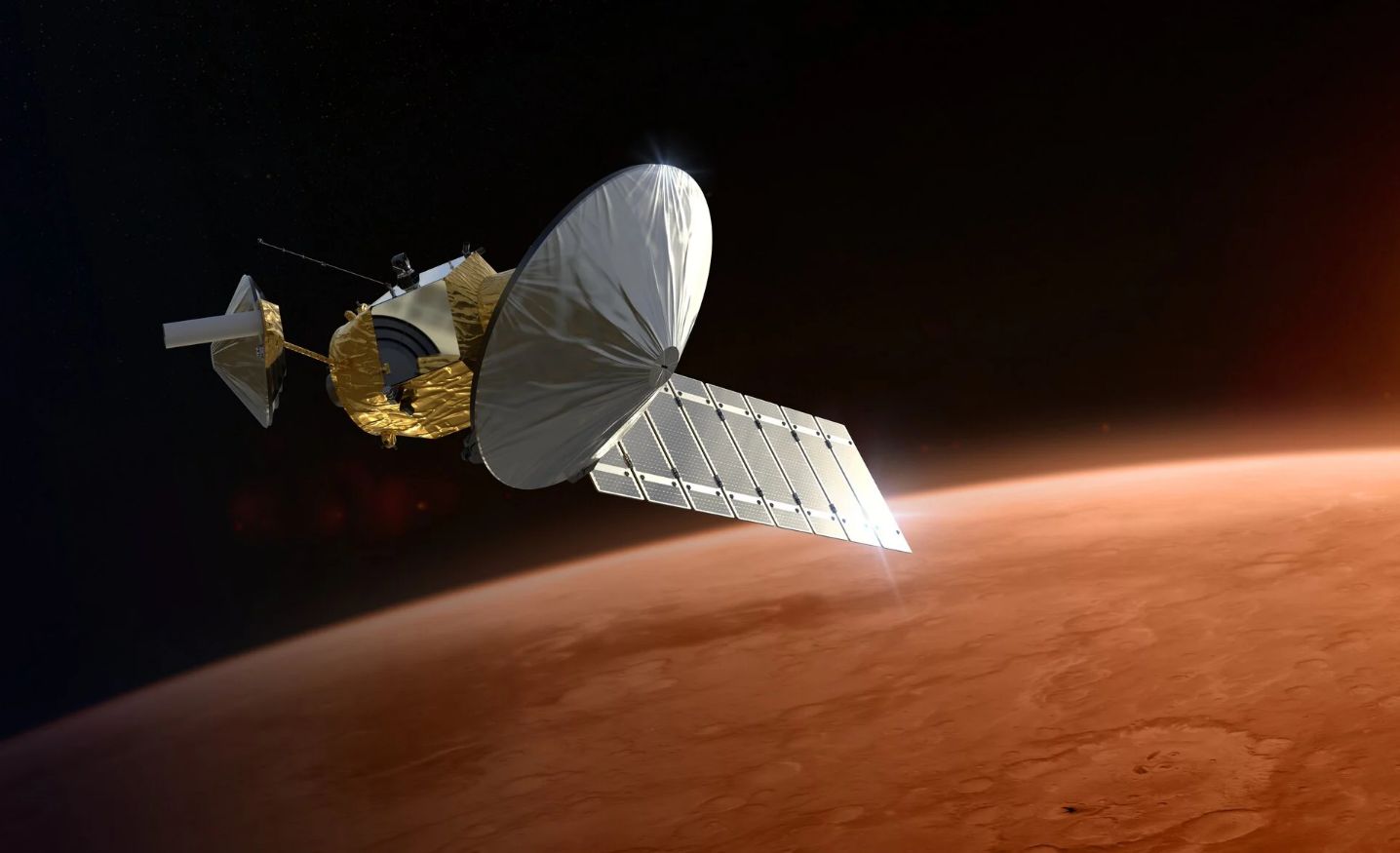
A non-public document reveals that science may not be prioritized on next Mars mission
The US space agency has released a “pre-solicitation” for what is expected to be a hotly contested contract to develop a spacecraft to orbit Mars and relay communications from the red planet back to Earth. Ars covered the intrigue surrounding the spacecraft in late January, which was initiated by US Senator Ted Cruz, R-Texas, as…