A satellite image used in a weather alert may first have to travel from orbit to a ground station, then through a data center before anyone sees the result. What does that journey cost in time and usable data? To answer that, start with a basic question: What is space computing?
The Traditional Satellite: A Courier That Cannot Sort Its Packages
Think of an Earth observation satellite as a courier collecting packages in orbit. It takes pictures, measures temperatures and records signals. But instead of opening and sorting what it collects, it waits until it passes over a ground station, sends the data down and leaves the processing to computers on Earth.
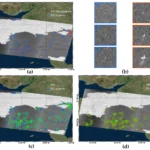
The courier cannot visit the station whenever it wants. A low Earth orbit satellite circles the planet in roughly 90 minutes, while a pass over a particular ground station may last only a few minutes. According to a September 2026 report in Guangming Daily, ground station capacity and bandwidth constraints mean that less than one-tenth of useful satellite data can be transmitted to Earth. Data that does arrive may then wait in another processing queue. The gap between capturing an image and delivering an alert can stretch to hours.
Space Computing: Sorting the Packages in Orbit
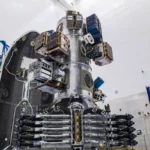
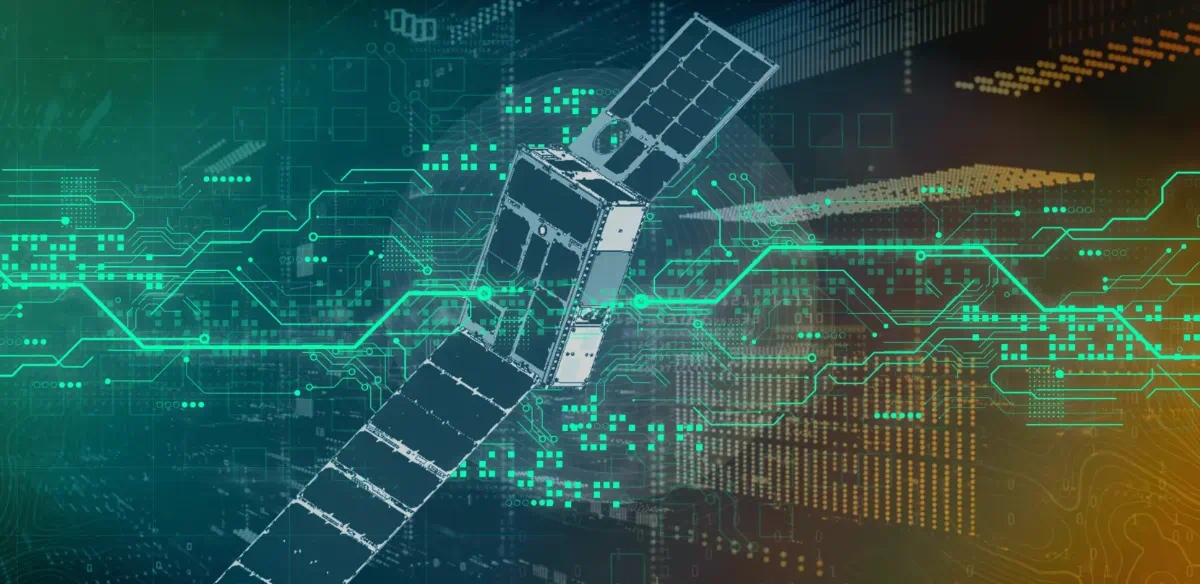
Space computing puts part of the sorting equipment on the satellite. Onboard processors and AI models can examine data where it is collected, identify what matters and transmit selected images or findings to Earth.
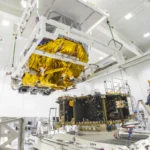
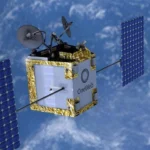
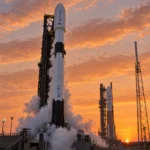
China’s S-AIDC-1, also known as Supercomputing-1, launched on September 20, 2026, as part of what its developer described as China’s first integrated inaugural rocket and satellite computing project. The satellite is designed to analyze imagery, recognize targets and filter data in orbit. Its developer says the approach can reduce the response time for data moving across space and ground systems from hours to minutes by downlinking high-value information.
That is the central idea: a satellite can do more than collect data. It can perform some of the work needed to turn observations into useful information before sending them to Earth.
What Does “Computing Power” Mean?
Computing power describes a system’s ability to perform calculations. AI hardware is often described in TOPS, or trillions of operations per second. A higher TOPS figure indicates greater processing capacity for the operations being measured, although real-world speed also depends on the model, memory, software and power available. Smartphone AI chips can reach tens of TOPS; many satellite AI payloads operate from single-digit to tens of TOPS.
How Large Could the Market Become?
CCID Consulting estimates that the global space computing market could grow from about $300 million in 2020 to around $16 billion in 2030. A research report from Changjiang Securities projects that the market could reach the $100 billion range by 2030. The estimates use different scopes, so they should not be read as a single forecast. Both, however, point to expectations of substantial growth.
Key Figures
Less than one-tenth of useful satellite data can be downlinked under current constraints, according to Guangming Daily (September 24, 2026). The developer of S-AIDC-1 says onboard processing can shorten response times from hours to minutes, as reported by Beijing Daily (September 20, 2026). CCID Consulting projects a global space computing market of approximately $16 billion in 2030.
In One Sentence
Space computing processes data in orbit so that satellites can send useful results to Earth sooner.
Faster processing matters most when the result reaches someone who can act on it. STARPATH GLOBAL combines satellite data with its own software platform to turn observations into monitoring outputs and alerts for specific industry needs. To explore what that could look like for your area of interest, talk with our team.