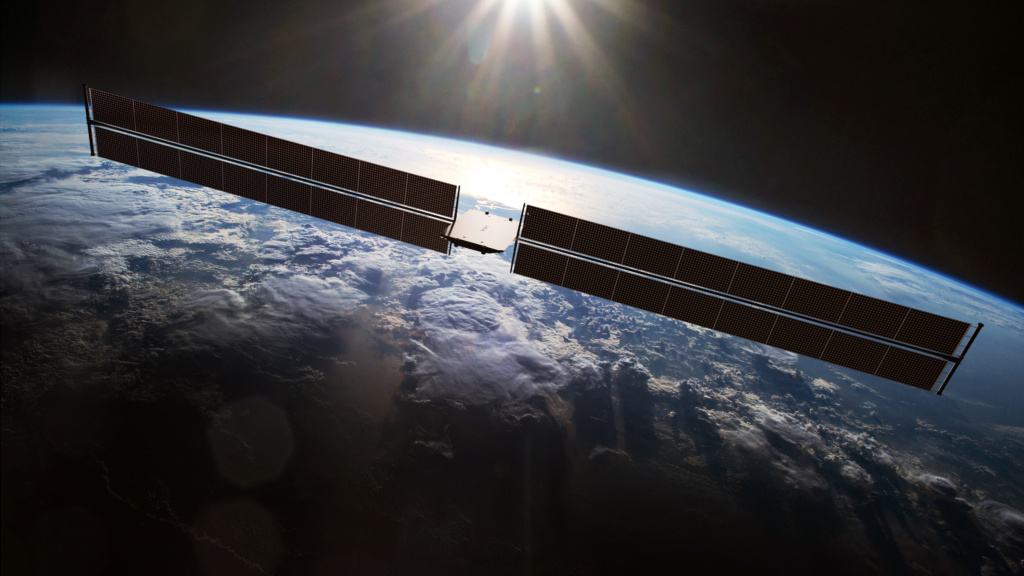
Vast said it will enter the satellite bus market with a new high-power spacecraft platform aimed at commercial, Earth observation and national security missions.
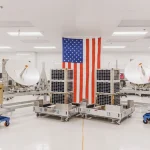
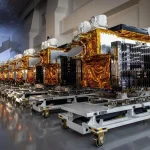
The company announced plans to offer a 15-kilowatt-class satellite bus designed for high-volume and lower-cost deployment across a range of orbital applications.
Vast also said customers will have the option to integrate NVIDIA’s Vera Rubin Space-1 module into the platform to support missions involving orbital data centres, artificial intelligence edge computing and autonomous spacecraft operations.
The company said it has already secured its first customer for the platform, which has committed to purchasing four satellites with an option to expand the order by as many as 200 additional units.
Vast Chief Executive Max Haot said diversification into satellite systems had long been part of the company’s strategy.
“Successful space companies are always diversified,” Haot said.
“It was always in our plan to diversify, and we always felt that the satellite platform was a really great fit,” he added.
According to Haot, much of the technology required for the satellite platform has already been developed through the company’s Haven-1 commercial space station programme.
The vertically integrated systems include batteries, flight computers, sensors, guidance and navigation systems, and flight software.
Some of the technology has already gained flight heritage through the company’s Haven Demo mission in low Earth orbit last year.
“We’ve been working for three years on a high powered satellite bus that just has humans inside,” Haot said.
The company said two major technologies are still under development for the satellite bus programme: low-cost high-power solar arrays and electric propulsion systems.
Haot said both technologies are also required for the future Haven-2 station programme and were already in development internally.
Vast plans to launch its first 10 satellites in late 2027.
The company also said it expects to significantly expand its satellite engineering team, increasing staffing from roughly 10 employees currently to around 50 next year.
The announcement comes as competition intensifies in the satellite manufacturing market, with growing demand for spacecraft platforms supporting communications, Earth observation, AI computing and defense-related applications.