
Author: starpathwp-production
-
Rocket Lab to Acquire Iridium in an $8 Billion Cash and Stock Transaction
Under the terms of the transaction, Iridium stockholders will receive $27.00 in cash and a number of shares of Rocket Lab common stock calculated pursuant to an exchange ratio (subject to a collar) for each share of Iridium common stock outstanding at the closing. The collar is banded from $67.50 to $112.50. The transaction has…
-

What are satellite asset leasing or financing options?
Satellite asset leasing and financing solutions are designed to help organizations access space-based capabilities without bearing the full financial burden of satellite ownership. These models provide an alternative to traditional capital-intensive investments and allow public and private sector entities to deploy satellite-enabled services with greater financial flexibility. Building, launching, and operating satellites typically requires substantial…
-

How do satellite data pricing and cost models work?
Satellite data pricing is influenced by a combination of technical, operational, and commercial factors. Unlike standardized digital products, Earth observation data can vary significantly in acquisition complexity, geographic scope, update frequency, and analytical value. As a result, pricing models are often designed to accommodate different use cases, ranging from one-time imagery purchases to long-term enterprise…
-
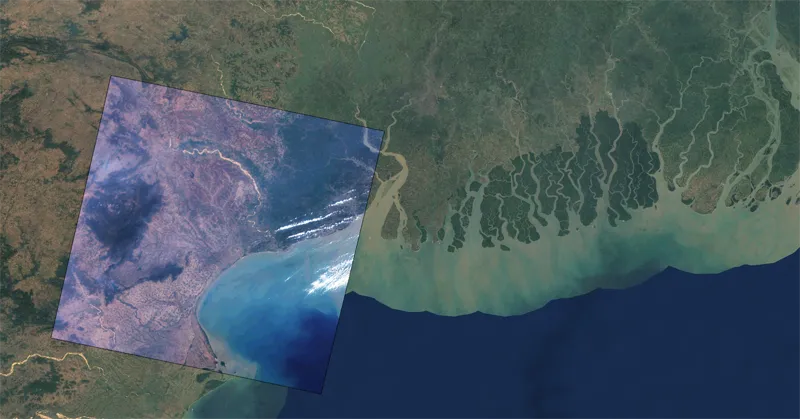
In which formats can satellite imagery be delivered?
Satellite imagery can be delivered in a variety of formats designed to support different analytical workflows, software platforms, and enterprise data environments. The choice of format depends on how the imagery will be stored, processed, visualized, or integrated into operational systems. One of the most widely used formats is GeoTIFF. GeoTIFF combines raster imagery with…
-

How often is satellite imagery updated or revisited?
The frequency with which satellite imagery is updated depends on several factors, including satellite orbit design, constellation size, geographic location, sensor type, and imaging priorities. This frequency is commonly referred to as revisit rate or revisit cycle and represents how often a satellite can observe the same location on Earth. Historically, individual satellites could revisit…
-
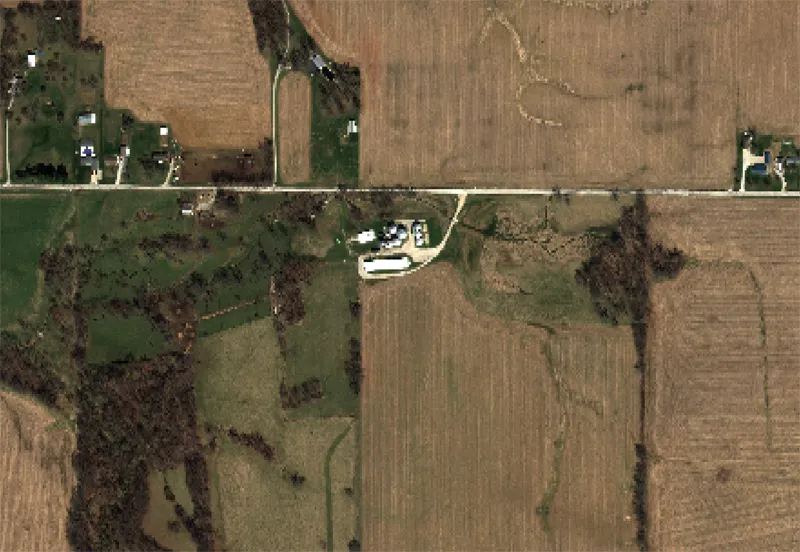
What is the difference between optical and SAR satellite imagery?
Optical and Synthetic Aperture Radar (SAR) imagery are two of the most widely used forms of satellite data, but they differ significantly in how information is collected and the types of insights they provide. Optical imagery functions in a manner similar to traditional photography. Optical sensors capture reflected sunlight from the Earth’s surface across visible…
-
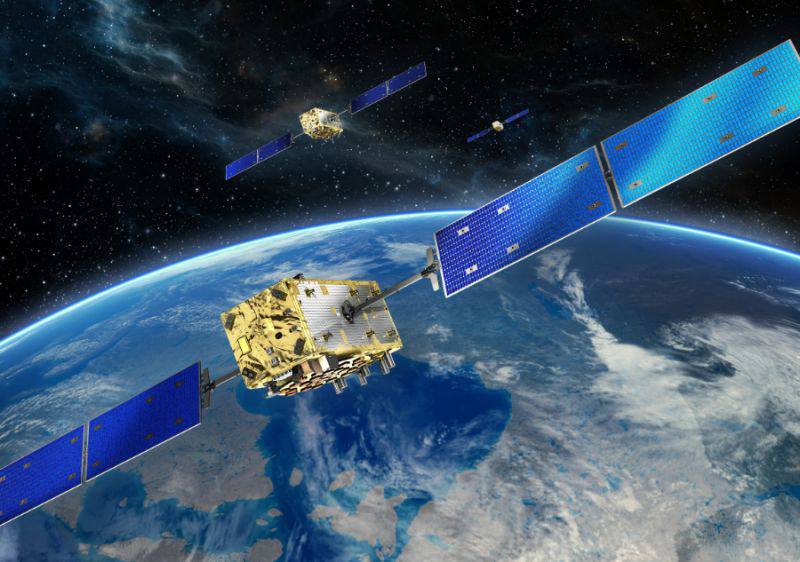
What resolution options are available for satellite imagery?
Satellite imagery is available in a wide range of spatial resolutions, allowing organizations to select data products that best match their operational, analytical, and budgetary requirements. Spatial resolution refers to the size of the ground area represented by a single pixel in an image. In general, higher-resolution imagery provides more detail but may involve larger…
-

Hayabusa2 Targets July 5 Flyby of Asteroid Torifune in One of the Closest Encounters Ever Attempted
Hayabusa2 launched in December 2014 and rendezvoused with Ryugu four years later, collecting samples and returning them to Earth in 2020 to complete its primary objectives. Despite briefly entering a protective safe mode last year, the spacecraft has continued operating well and now pursues new science targets as part of its extended mission. Satoshi Tanaka…
-
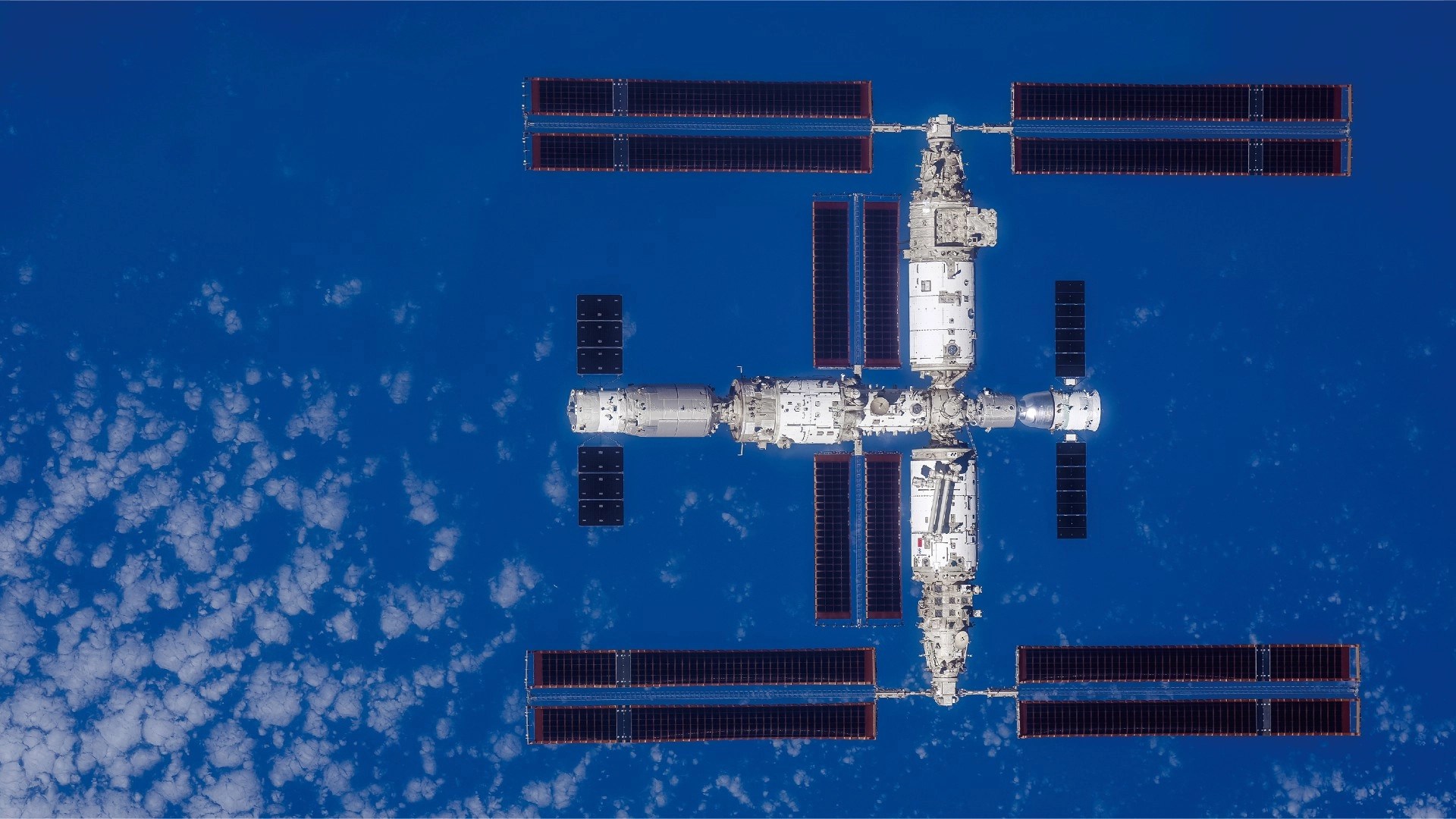
China Plans Expansion of Tiangong Space Station with New Module
China is preparing to expand its Tiangong space station by adding a new multifunctional module that will transform the orbital outpost from its current T-shaped configuration into a cross-shaped structure. The expansion represents the next phase of the station’s long-term development plan and is intended to increase scientific research capacity, support more frequent missions and…
-

NASA Taps Two Companies to Land Lunar Rovers Before Artemis Crew Arrives
The selection, announced May 26, narrows a field that began with three companies competing for an LTV contract NASA announced in 2024. That original competition would have produced a single rover capable of surviving on the lunar surface for a decade. Instead, NASA asked companies for a simpler design that could be ready in time…