
Author: starpathwp-production
-
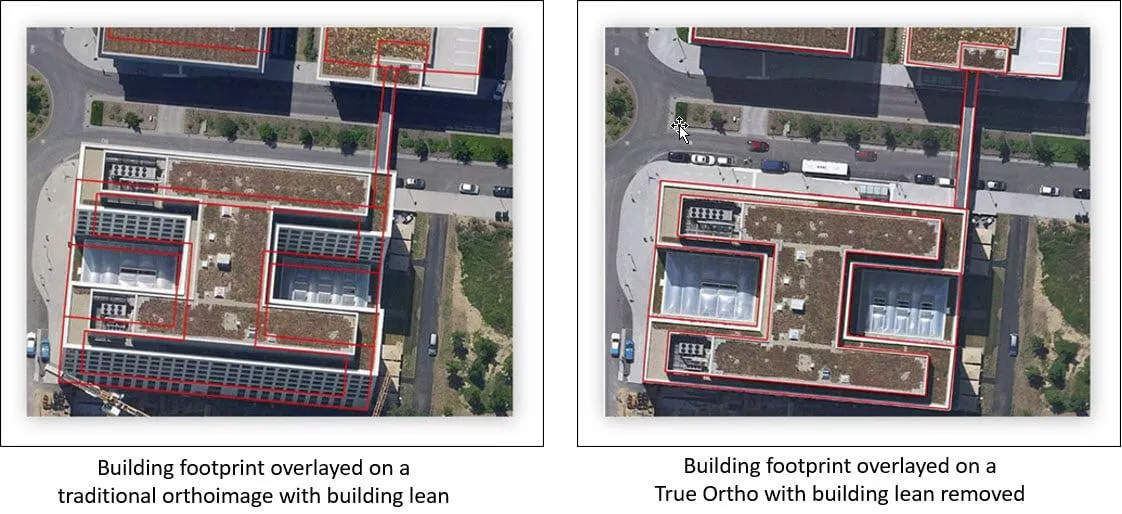
Why Don’t Satellite Images Line Up with Your GIS Data?
A new satellite image arrives, but roads sit slightly beside their mapped centerlines, building roofs extend beyond existing footprints, and a utility corridor appears to have shifted. Before moving any GIS features, check how both datasets were positioned. A sharper or newer image does not automatically provide a more accurate ground reference. Misalignment can come…
-
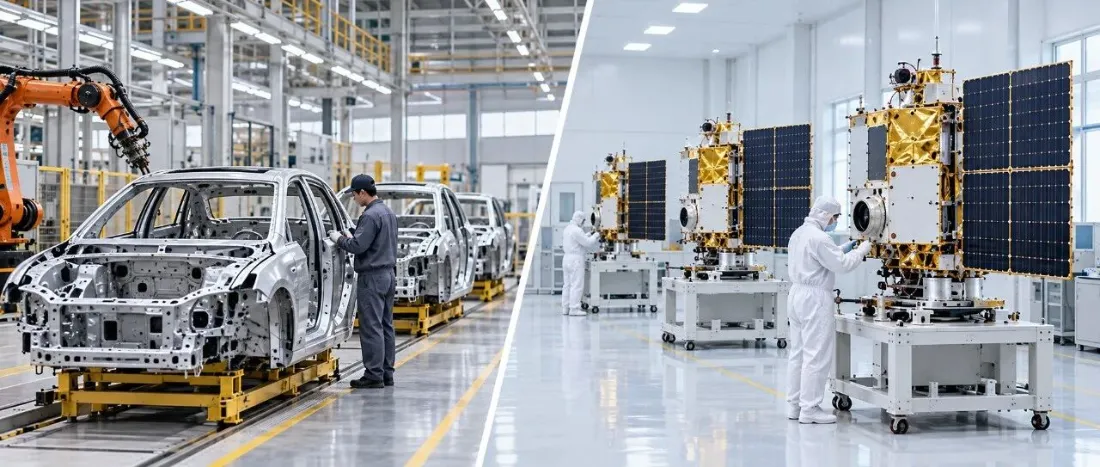
How to Mass-Produce Satellites Like Cars
Imagine walking into two factories. On an automotive assembly line, bodies move forward as wiring harnesses, seats and glass arrive at each workstation in sequence. In a satellite integration facility, engineers gather around a spacecraft to check interfaces, wiring and test records. Some argue that satellites should be built like cars, rolling off an assembly…
-
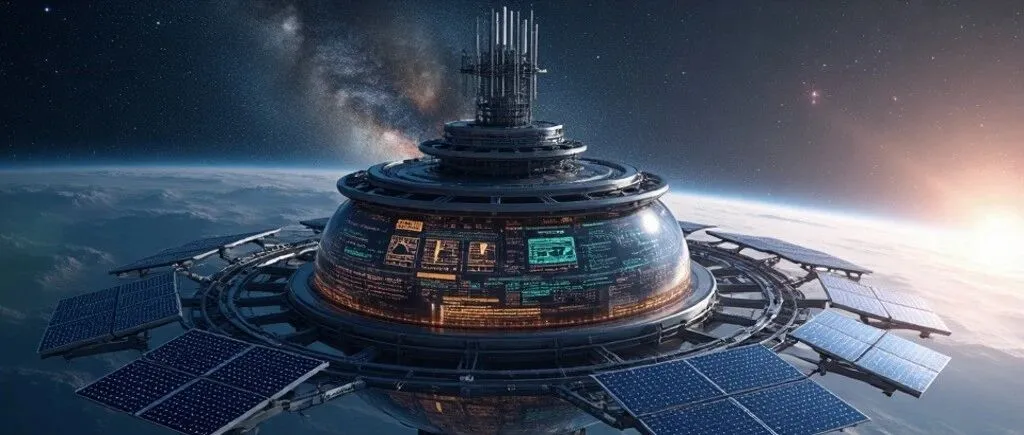
Orbital Data Centers: The Economics of Moving Computing Into Space
Moving a data center into space sounds like science fiction. But by 2026, a satellite carrying an NVIDIA H100 GPU has already trained an AI model in orbit, and investors have valued the company behind it at $2.3 billion. This article examines the accounting: where revenue comes from, where costs accumulate, and what it would…
-
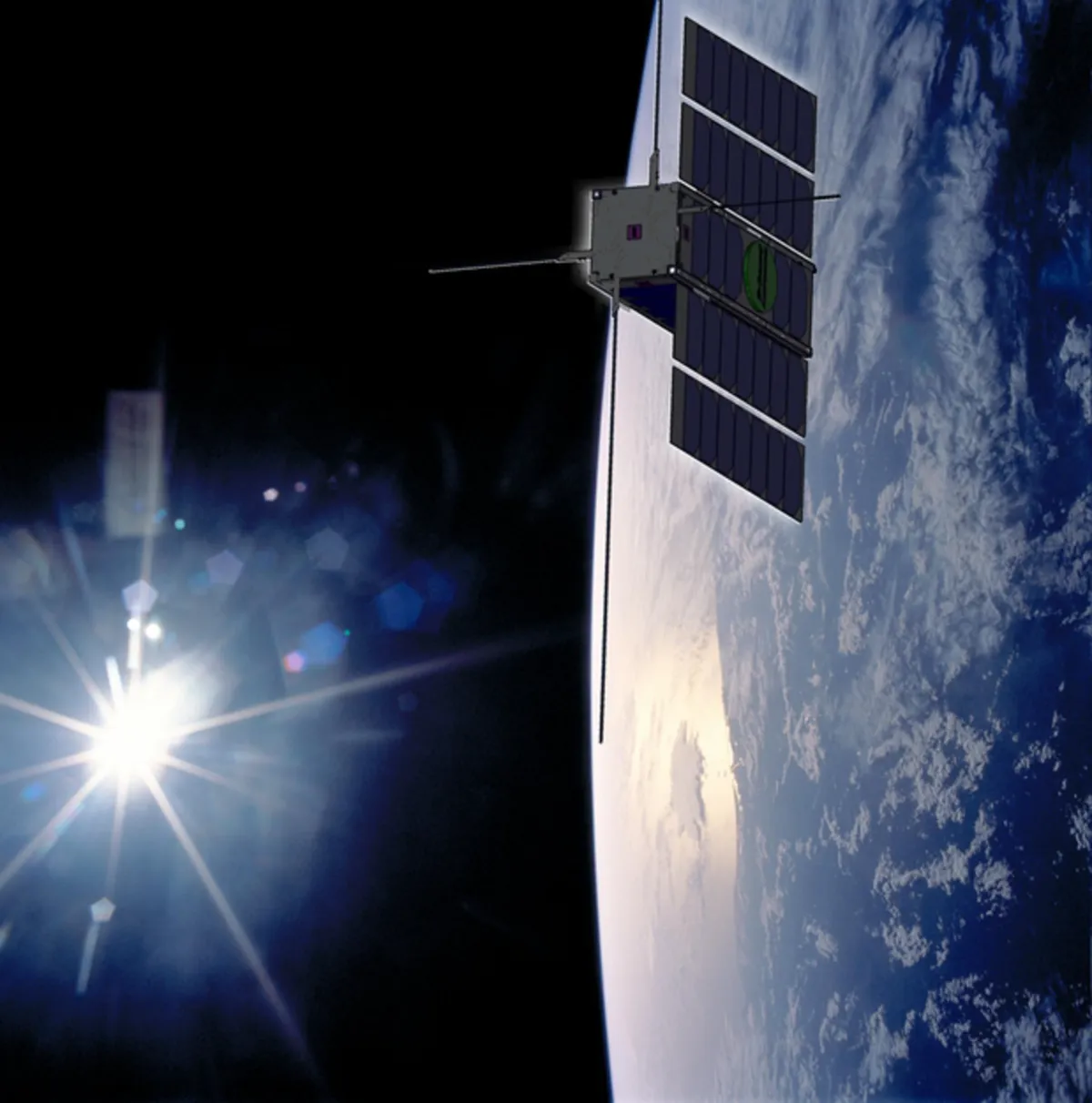
Can Satellites Crash? Software and Updates in Orbit
When an expensive AI server in a ground-based data center develops a bug, engineers can usually reboot it remotely. But put that server in orbit, 400 kilometers above Earth, circling the planet roughly every 90 minutes—and who handles the restart? Difference One: Software Needs Armor If an app crashes on Earth, you can usually just…
-
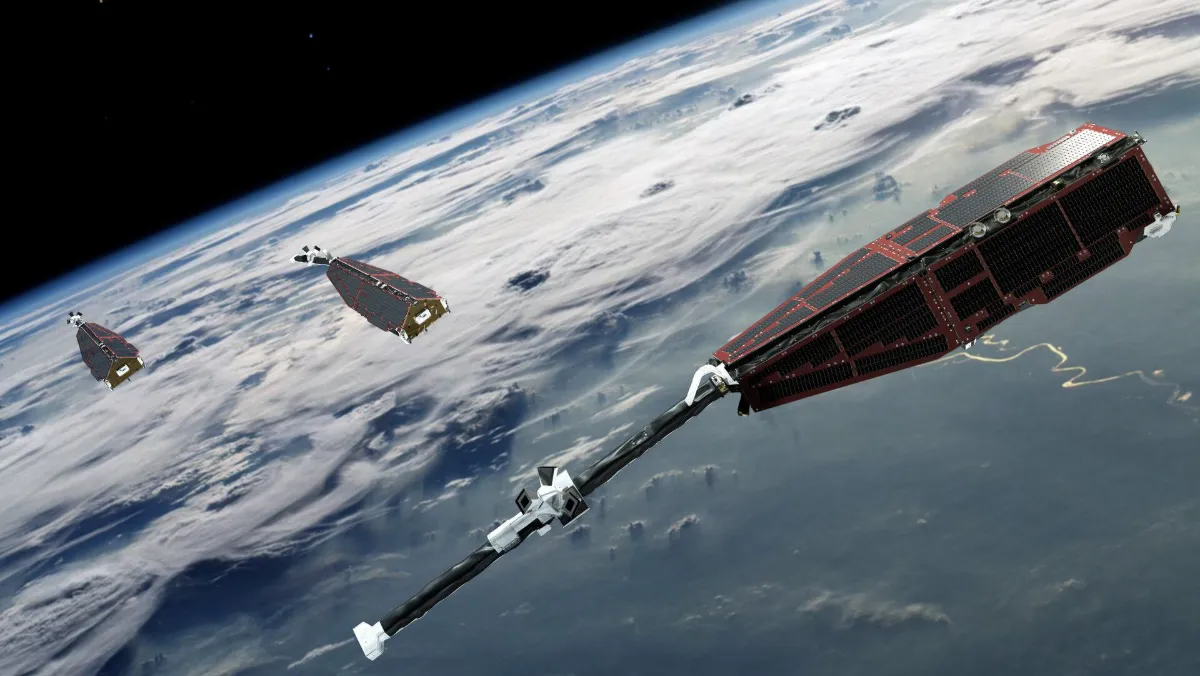
How Much Does a Satellite Constellation Really Cost? Calculating Its Full Lifecycle Cost
Constellation announcements often promise billions in investment, but rarely explain where the money goes. To understand the economics of space computing, we need to break down five costs across a computing satellite’s life, from development to disposal. The exercise reveals why companies in this industry need to understand both aerospace engineering and cost accounting. 1.…
-
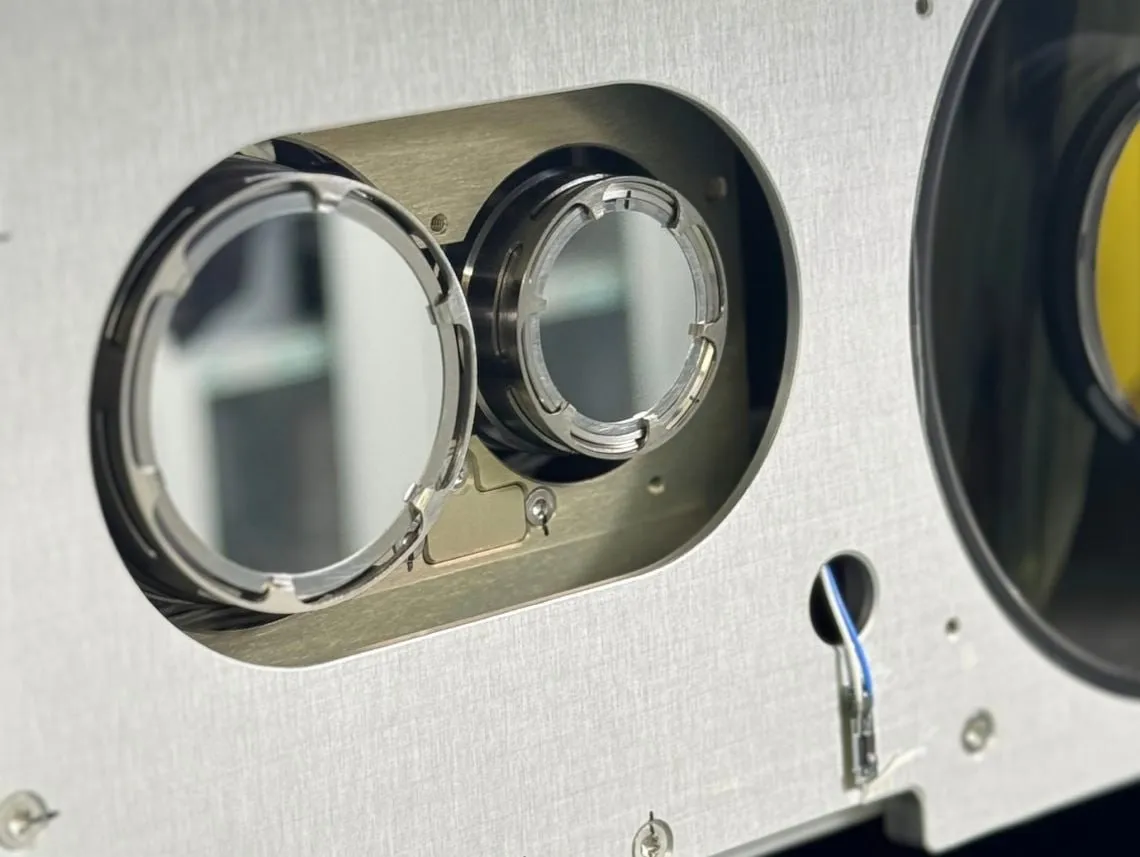
Astrolight Links Orbiting Laser Terminal to Greek Ground Station in First End-to-End Demonstration
Astrolight developed the terminal in cooperation with the European Space Agency and worked with the Department of Aerospace of the University of Athens and the Department of Physics of the Aristotle University of Thessaloniki on the project. The demonstration is part of the company’s effort to bring laser communications further into the satellite mainstream. In…
-
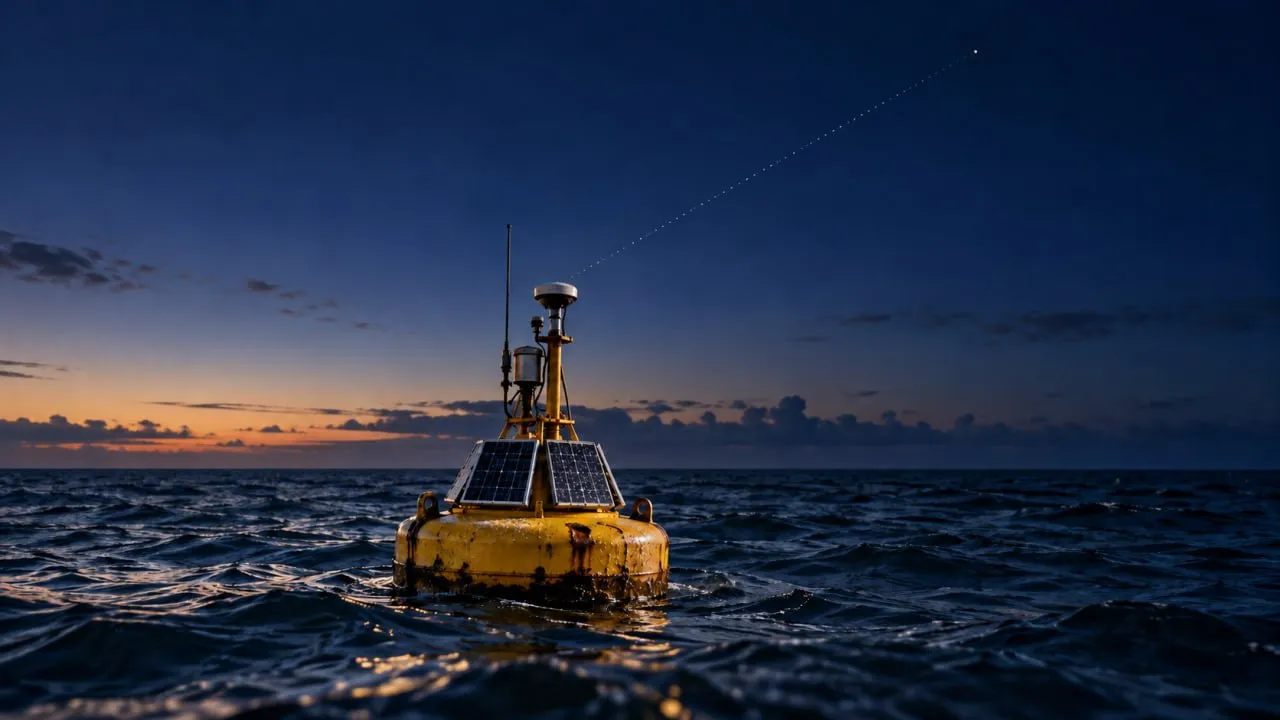
AnySignal and Andrenam Partner on Underwater Acoustic Modem, Targeting 2027 Shipments
The two companies have a history of collaboration and position themselves as leaders in distributed maritime platforms and resilient radiofrequency communications. The partnership aims to address a persistent gap in the undersea domain, the difficulty of moving reliable communications in and out of the water quickly and remotely. Under the arrangement, AnySignal will lead development…
-
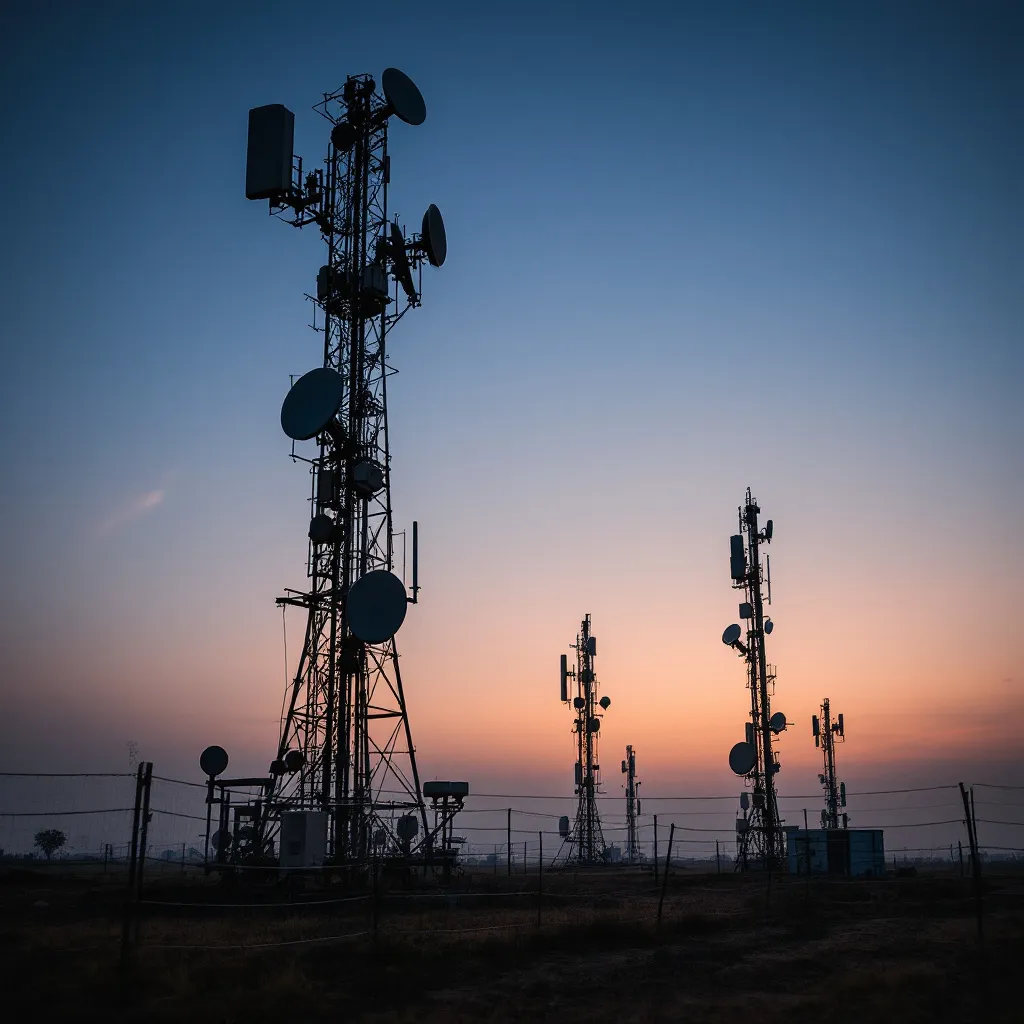
Starlink’s India Launch Hinges on Security Safeguards, Not Just Ground Stations
The issue sharpened after Elon Musk criticized Indian business houses over what he alleged was an attempt to block Starlink’s entry. The dispute came into focus as Starlink stated it had built around 20 gateway sites in India and incorporated the country’s security requirements into its proposed operations. For Indian authorities, however, the presence of…
-
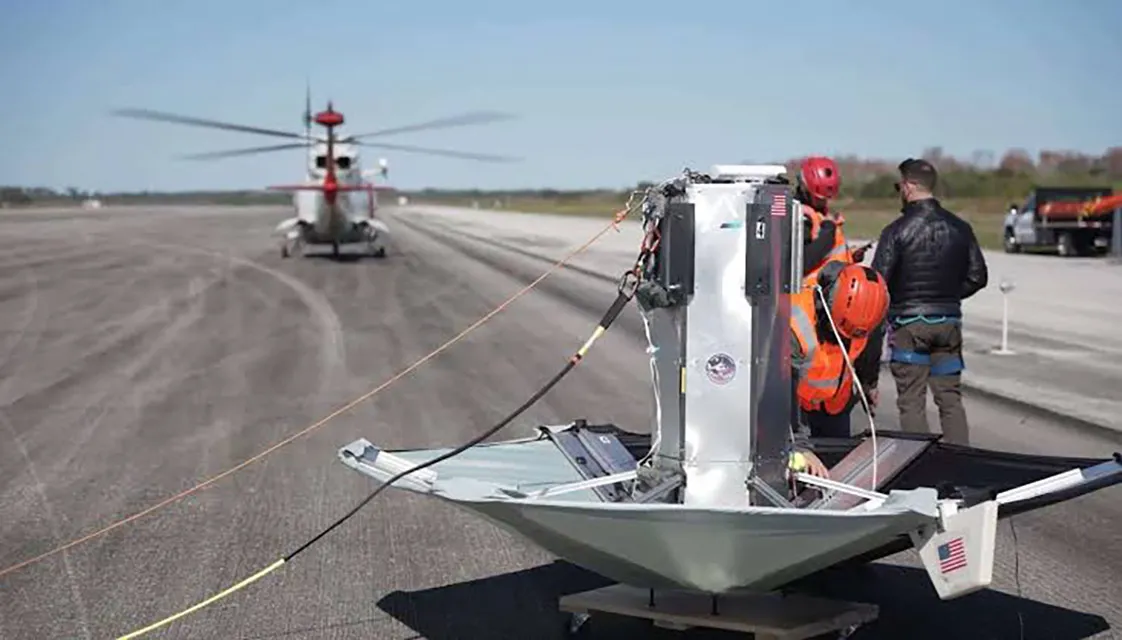
Sierra Space Conducts High-Altitude Drop Test of Ghost Reentry Vehicle for 90-Minute Global Point Delivery
On October 11, 2026, defense logistics contractor Sierra Space demonstrated the flight recovery capabilities of its Ghost reentry vehicle during high-altitude drop tests conducted under U.S. Space Command’s Apollo Nexus exercise. Dropped from high-altitude balloons at 68,500 feet over the Dugway Proving Ground in Utah, the 10-ton test article successfully recovered its internal payload—comprising a…
-

Honda and Redwire Team on Robotic Lab Assistant for Commercial Space Stations
On the ISS, astronaut time is the most limited resource, with crew schedules planned to the minute. Some of that time goes to mundane work such as scanning barcodes for inventory management or swapping out biological sample trays, tasks that fall to astronauts because no one else is aboard to handle them. The station itself…