
Author: starpathwp-production
-

ESA Director General Outlines €10 Billion 10-Year Plan for Sovereign European Crewed Spaceflight
On October 5, 2026, European Space Agency (ESA) Director General Josef Aschbacher outlined a 10-year, €10 billion ($10.9 billion) proposal to establish an independent European crewed spaceflight capability. Presented ahead of upcoming European ministerial meetings, the strategic roadmap is designed to eliminate long-term operational reliance on NASA and commercial U.S. launch providers like SpaceX for…
-

Amazon Leo Plans Prime Subscription Bundling to Challenge Starlink in Consumer Satellite Broadband Market
On October 11, 2026, Amazon disclosed details regarding its commercial strategy for Amazon Leo, outlining plans to bundle satellite broadband internet with Amazon Prime subscriptions and consumer ecosystem services to challenge SpaceX’s Starlink network. Formerly known as Project Kuiper, the low Earth orbit (LEO) satellite communications unit aims to leverage Amazon’s retail, streaming, and AWS…
-

Kratos Defense Demonstrates Multi-Vendor 5G Satellite Connectivity Using Virtualized OpenSpace Ground Platform
On October 8, 2026, defense technology contractor Kratos Defense & Security Solutions announced the successful demonstration of end-to-end connectivity across a native, multi-vendor 5G New Radio Non-Terrestrial Network (5G NR NTN). Conducted using Kratos’ OpenSpace platform, the flight and ground demonstration established multi-vendor interoperability across virtualized satellite ground software, third-party 5G core platforms, and commercial…
-
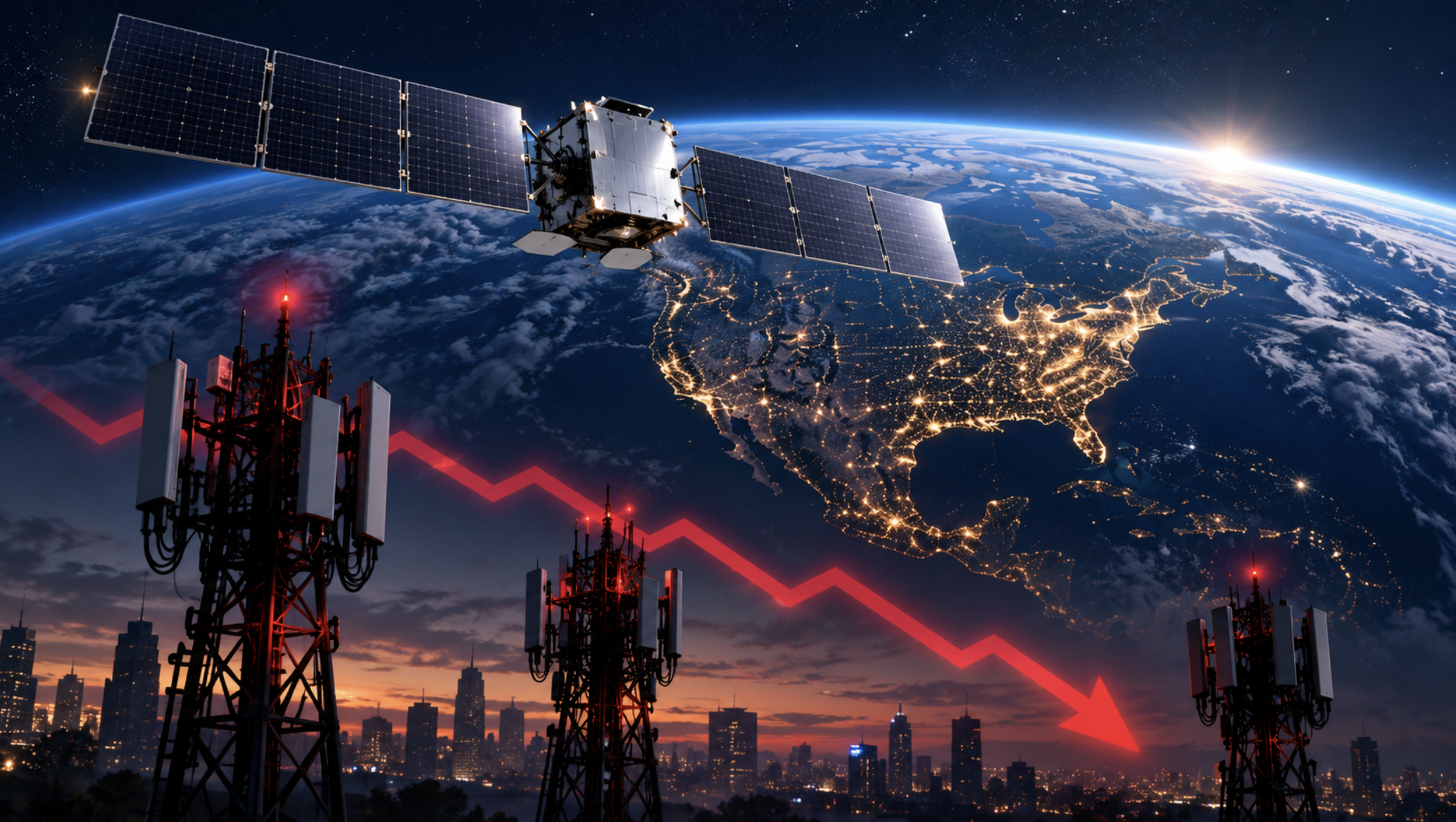
Telecom Stocks Plunge After SpaceX’s $8 Billion Spectrum Deal
AT&T fell approximately 10%, Verizon lost 9%, and T-Mobile tumbled 13% during the October 9th trading session. The declines followed Thursday’s announcement that SpaceX had agreed to acquire Grain Management’s entire nationwide 800 MHz wireless spectrum portfolio. Reuters reported a value of approximately $8 billion, citing a person familiar with the discussions. Grain did not…
-

NASA Opens Competition for ISS Successor With Final Station Proposal Call
The release caps years of design and development work by private companies eager to learn NASA’s requirements. In a cover letter accompanying the documents, NASA stated its goal: “This will ensure NASA has a sustained human presence in LEO for crew members to perform science and exploration.” The agency plans to select “two or more”…
-
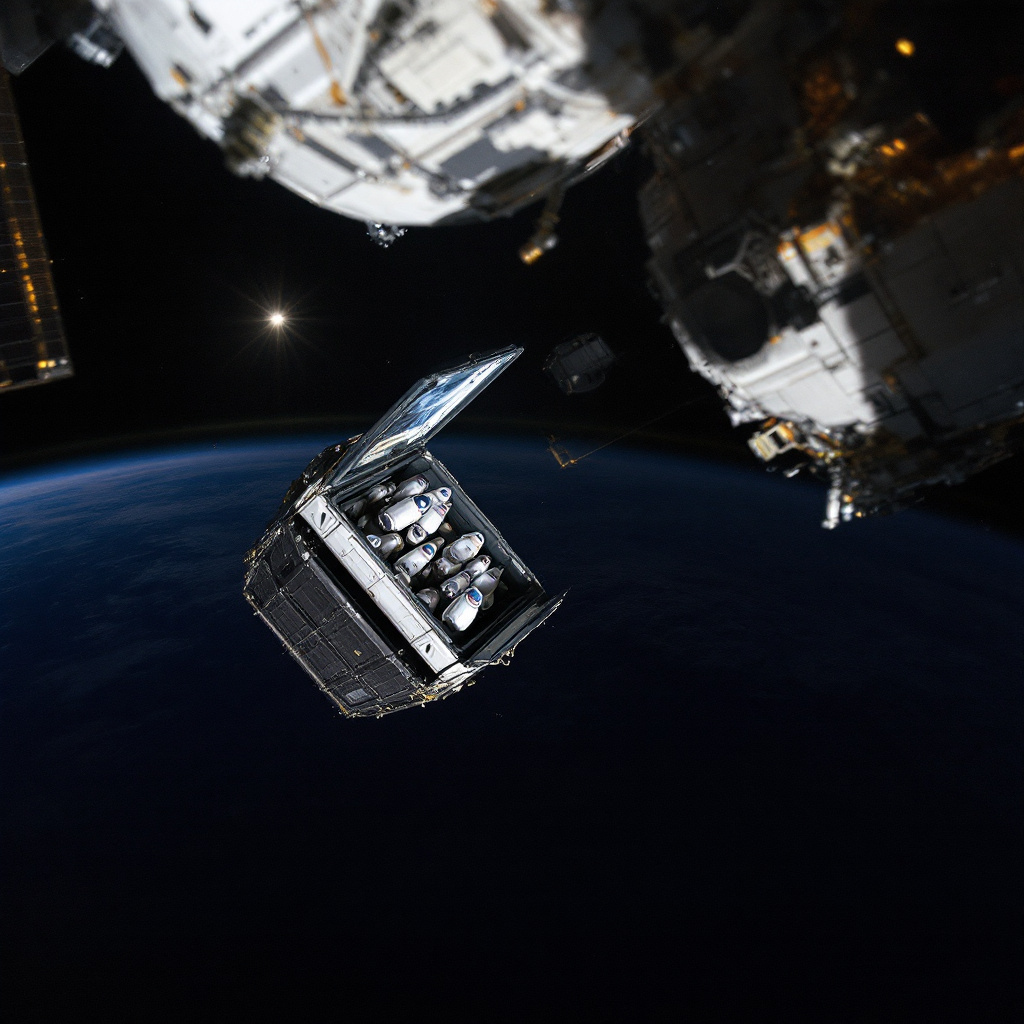
NASA Turns a Departing Cargo Ship Into a Flying Heat Shield Lab
The experiment, called the Kentucky Reentry Probe Experiment, or KREPE-3, is the third in a series of low-cost missions that use the final moments of a cargo spacecraft’s lifespan to collect data. Before the mission’s Cygnus XL spacecraft departed the station, astronauts packed it with waste and activated the 12 capsules carried inside. As the…
-
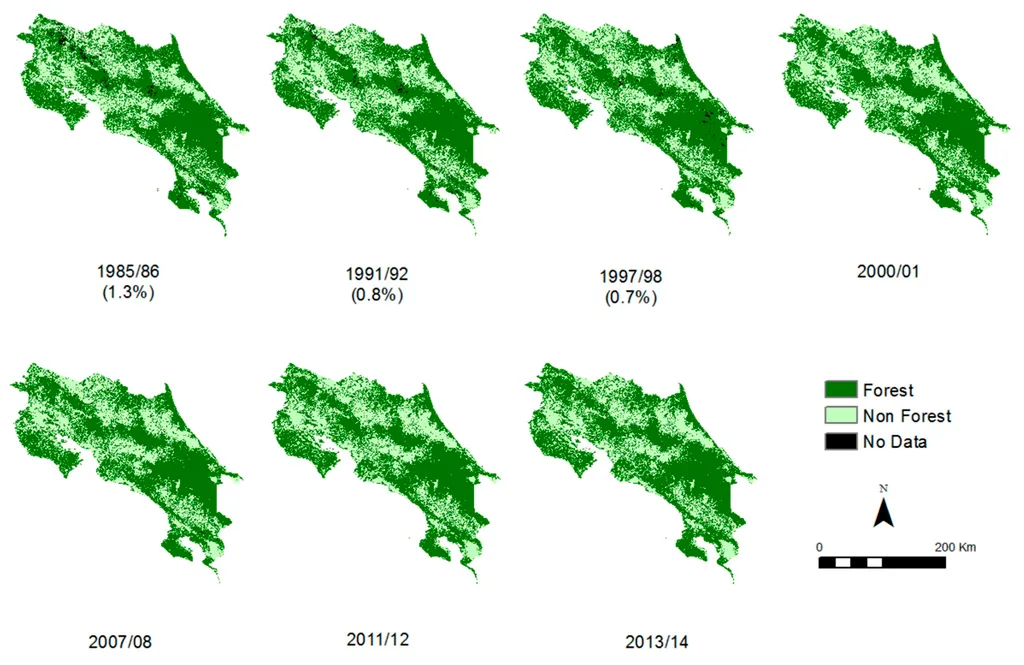
How to Check Historical Tree Cover Before Planting
Checking whether trees existed on a plot before planting requires more than searching a forest-loss map. A useful assessment connects each plot boundary to its planting date, examines evidence from the relevant historical period, and records what the available data can—and cannot—establish. Satellite archives can help screen large numbers of plots, but missing loss records…
-
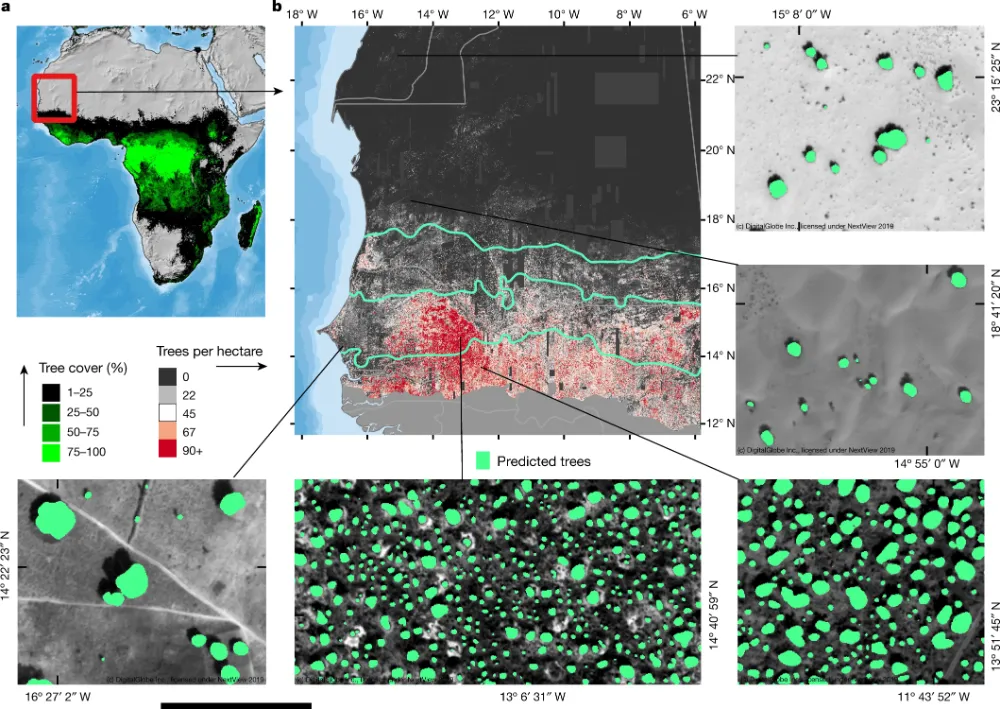
Can Satellite Imagery Count Individual Trees?
Satellite imagery can support individual tree counting when crowns are large enough, sufficiently separated and clearly visible. It is much harder to obtain a complete count in dense forests, where overlapping crowns conceal smaller trees and the ground below. The practical question is therefore not simply whether a satellite can see trees, but what it…
-

A Cloud Provider in Orbit: How Is Space Computing Priced?
Whether an industry can survive over the long term comes down to one question: Who keeps paying for it? Space computing has three potential revenue models, each with a parallel in the evolution of cloud providers. Model One: Selling Data—The “Selling Produce” Business The most established model is also the most straightforward: package processed results…
-

Onboard Intelligence, Space Data Processing in Orbit and Earth Data Processing in Orbit: Which Will Succeed First?
Space computing covers three distinct approaches: satellites that process their own observations, constellations that share computing tasks in orbit, and orbital infrastructure designed to handle workloads originating on Earth. They share a label, but their technical requirements and commercial readiness differ substantially. This lesson maps out the three approaches, making it easier to understand where…