
Author: starpathwp-production
-

How Does Satellite Imagery Become Intelligence?
Think of a satellite as a courier collecting packages. But what happens after collection? Between a satellite pressing its “shutter” and a wildfire alert, flood map or vessel track appearing on your phone, how many steps does the data go through? Let’s unpack the entire data pipeline. The Traditional Pipeline: Shipping Every Ingredient Back to…
-

Two Paths to Reliable Space Computing
One approach relies on BAE Systems’ RAD750 family: expensive radiation-hardened processors with a long record of service on deep-space missions. The other uses commercial processors backed by redundant computers and fault-tolerant software, as demonstrated by SpaceX. The question is not simply which technology is more advanced. These approaches reflect two different ways of paying for…
-
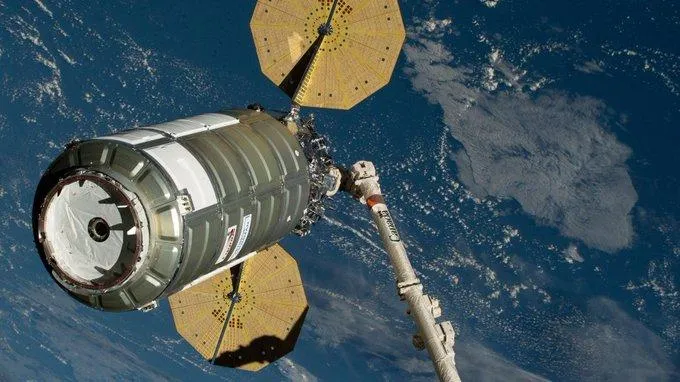
Cygnus XL Departs International Space Station for Destructive Re-Entry
The departure marks the end of a mission that began earlier this year. Cygnus XL launched April 11 on a SpaceX Falcon 9 rocket from Space Launch Complex 40 at Cape Canaveral Space Force Station in Florida. It was installed on the station’s Unity module on April 13 after being maneuvered into position by the…
-
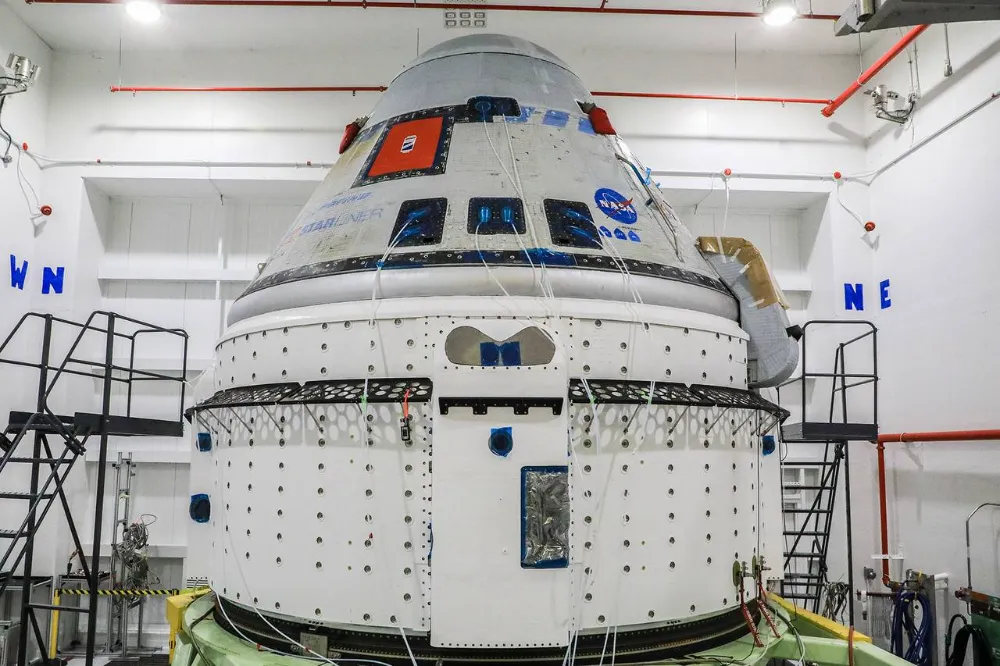
NASA and Boeing Restore Two Starliner Missions, Set December Launch Window for Uncrewed Flight
The contract modification follows two years of joint work to address technical issues identified during the investigation of the 2024 Crew Flight Test. NASA and Boeing described the modification as reflecting a safety-first partnership and a continued commitment to Starliner as a long-term human spaceflight provider to the ISS and future low Earth orbit destinations.…
-

Kapta Space Raises $24M Series A to Fund Low-Cost Moving-Target Radar for Orbit
The US government has invested heavily in expanding its space-based intelligence, surveillance, and reconnaissance capabilities, buying data and services from a range of Earth-observation operators across synthetic aperture radar, optical, thermal, and hyperspectral mediums. Kapta is building something outside the government’s current capability set. The company says the government has for decades tried to move…
-

SpaceX Acquires Grain Management’s 800 MHz Spectrum Portfolio to Launch Standalone Starlink Mobile Carrier
On October 8, 2026, satellite network operator SpaceX announced a definitive agreement to acquire the nationwide 800 MHz low-band spectrum portfolio held by digital infrastructure investment firm Grain Management. The acquisition equips SpaceX’s Starlink Mobile division with up to 14 MHz of paired terrestrial low-band airwaves across the United States. By securing proprietary low-band spectrum…
-
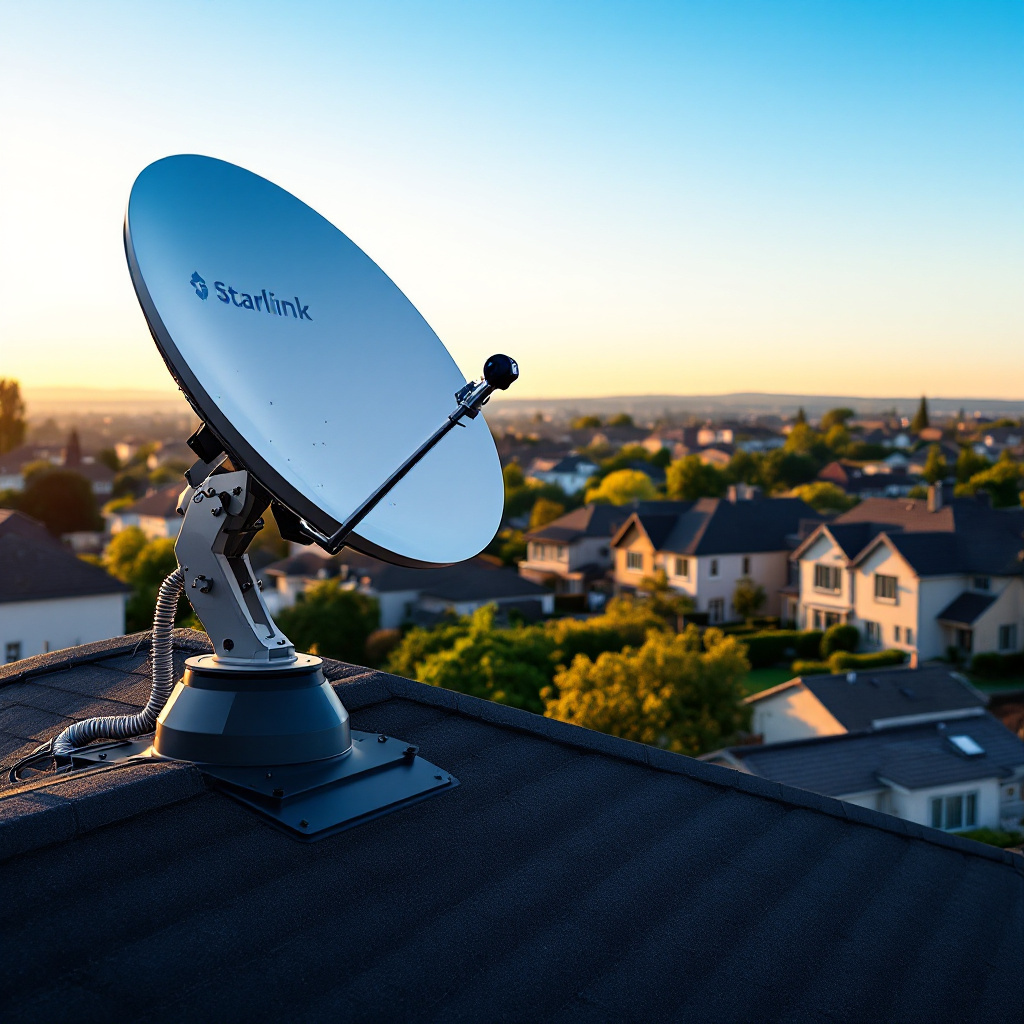
SpaceX to Acquire 800 MHz Spectrum to Push Starlink Mobile Indoors
The acquisition follows the FCC’s approval for SpaceX to deploy 15,000 satellites for its Starlink Mobile direct-to-device constellation. SpaceX said the low-band spectrum will complement that network, with the company’s global 2 GHz mid-band spectrum providing high-bandwidth capacity in the United States while the new 800 MHz holdings add a coverage layer capable of penetrating…
-

Blue Origin Commits $550M to Texas Satellite Complex as Jeff Bezos Confirms $10B Equity Round and IPO Roadmap
On October 8, 2026, space systems manufacturer Blue Origin announced plans to construct Constellation Park, a $550 million satellite manufacturing complex in central Texas. The 120,000-square-meter (1.3 million-square-foot) industrial facility is engineered to support volume production for Blue Origin’s high-capacity space infrastructure projects. The announcement follows statements delivered on October 7 by founder Jeff Bezos,…
-
Silicon Valley Space Week Speaker Focus: Patrick Shannon, TrustPoint
The Space Force ended the Resilient GPS program on January 19, a $1 billion plan for about twenty small satellites meant to make the constellation harder to jam. The Government Accountability Office reported on October 7 that the Army will not finish fielding anti-jam M-code receivers across its aircraft until 2049, and across its armored…
-

GAO Finds Army GPS Receiver Modernization Will Not Finish Until 2049 or Later
The findings center on two Army positioning, navigation, and timing modernization efforts. M-code represents an advanced, encrypted military GPS signal designed to resist jamming and spoofing in contested electromagnetic environments. The delays build on prior GAO assessments of military GPS modernization that identified schedule slippages across space segment launches, ground control segment delivery, and user…