

PlaneWave, a US-based manufacturer known for precision-engineered space and scientific systems, is highlighting the portfolio of space-qualified antennas and amplifiers designed to support satellite communications, space missions and advanced ground-segment applications. These products are already in operational use and reflect PlaneWave’s focus on delivering reliable RF hardware engineered for the environmental and performance demands of space and mission-critical systems.
Space Antennas for Satellite and Space Applications
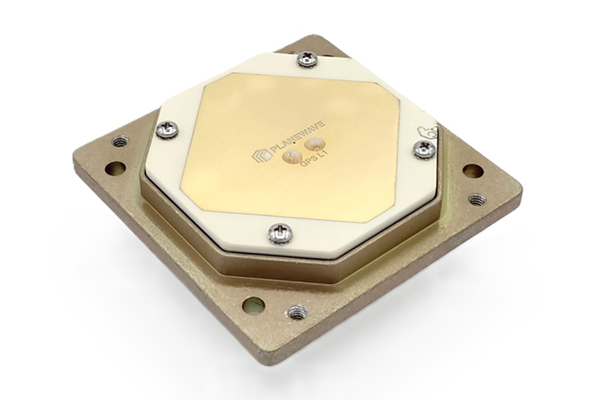
PlaneWave’s space antenna portfolio is designed to support satellite communications, telemetry, tracking, and command (TT&C), as well as space research and experimental missions. The antennas are engineered with precision mechanical structures and RF designs that ensure stable gain, accurate pointing and consistent performance across demanding operational environments. The space antennas are suitable for integration into spacecraft, high-performance ground stations and space test facilities, where mechanical stability and RF accuracy are critical. The designs emphasize structural rigidity, thermal stability and compatibility with standard RF interfaces, allowing system integrators to deploy them within existing satellite communication architectures. By focusing on predictable radiation patterns and long-term reliability, PlaneWave’s space antennas support continuous operations across commercial, institutional and research-oriented space missions.
Space Amplifiers Supporting Reliable RF Performance
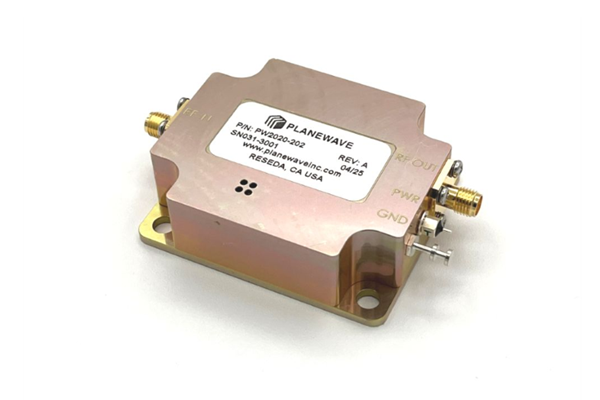
Complementing the antenna offerings, PlaneWave provides space amplifiers designed to deliver stable and efficient RF signal amplification for space communication systems. These amplifiers are intended for use in satellite payloads, space test environments and high-reliability ground systems where signal integrity is essential. The amplifier designs focus on controlled gain, low noise characteristics and operational stability, ensuring consistent RF performance across varying thermal and operational conditions. PlaneWave’s space amplifiers are engineered to integrate seamlessly with antenna systems and other RF components, supporting uplink, downlink and experimental communication chains. Their design approach prioritizes robustness and repeatability, helping mission teams maintain reliable communication links.
Space Communications and Research Infrastructure
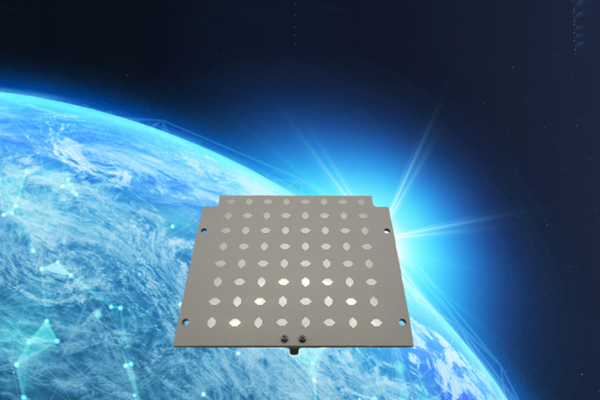
PlaneWave’s space antennas and amplifiers form a complementary RF hardware portfolio that supports a wide range of space applications, including satellite communications, space situational awareness, experimental missions and institutional research programs. By offering hardware designed with precision engineering, environmental compatibility and integration readiness in mind, PlaneWave enables satellite operators, research organizations and system integrators to deploy RF subsystems that align with established space mission requirements. As space missions continue to demand higher reliability and tighter performance margins, PlaneWave’s space products provide practical building blocks for RF systems operating at the intersection of ground and space infrastructure.
About PlaneWave
PlaneWave is a US-based manufacturer specializing in high-precision optical systems for astronomical, space and scientific applications. Headquartered in Reseda, California (USA), PlaneWave designs and produces advanced telescopes, optical tube assemblies, mounts and observatory systems used by research institutions, observatories, space agencies and advanced commercial users worldwide. The company’s product portfolio spans large-aperture optical systems, precision opto-mechanical structures and integrated control solutions that support ground-based astronomy, satellite tracking and space situational awareness. With a focus on optical accuracy, mechanical stability and system reliability, PlaneWave supports applications that require precise pointing, high image quality and long-term operational performance across demanding observational environments.