
Tag: China
-
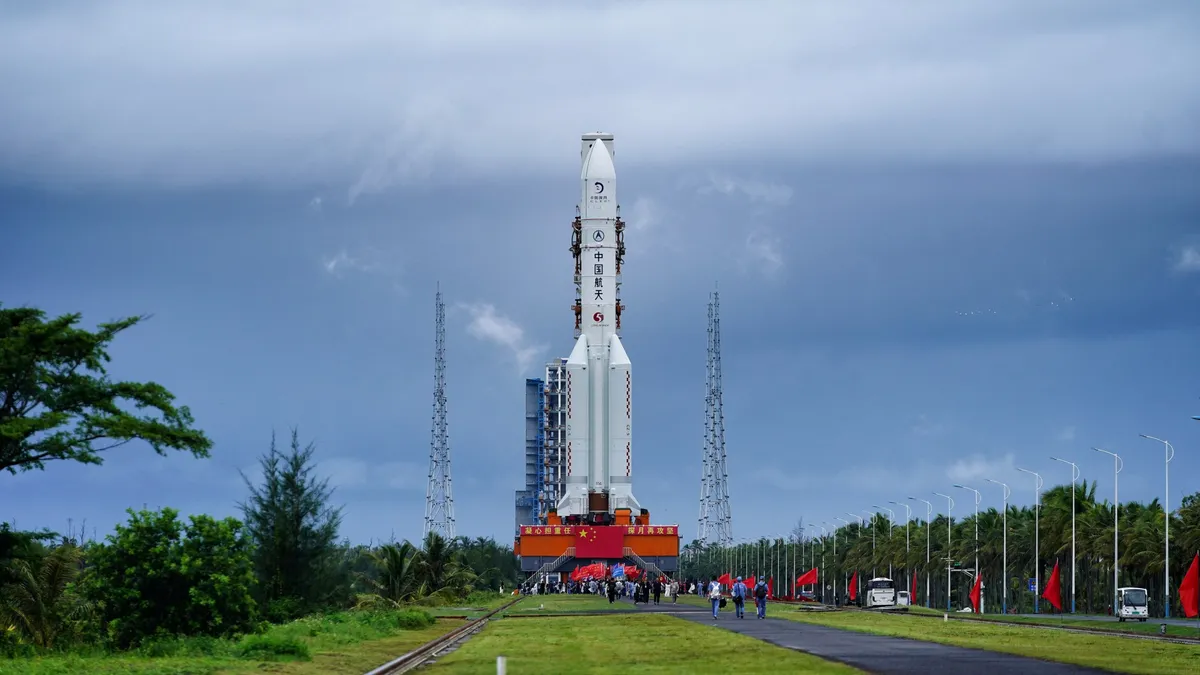
Chang’e-7 Moved to Launch Area, Poised for Lunar Mission
On Aug. 19, Beijing time, the combination of the Chang’e-7 lunar probe and the Long March-5 Y14 carrier rocket successfully completed its vertical transfer at the Wenchang Spacecraft Launch Site and arrived at the launch area, marking the beginning of the mission’s launch countdown. The Chang’e-7 probe arrived in Wenchang in April, followed by the…
-

From Mineral Exploration to Disaster Monitoring: What Can Remote Sensing AI Do?
Can remote sensing AI provide professional insights and intelligent decision support for resource exploration, mine development and geological hazard monitoring? “AI cannot be discussed independently of observation,” an industry expert said when discussing intelligent remote sensing interpretation. Remote sensing AI must remain grounded in real-world operations rather than becoming a numbers game focused solely on…
-
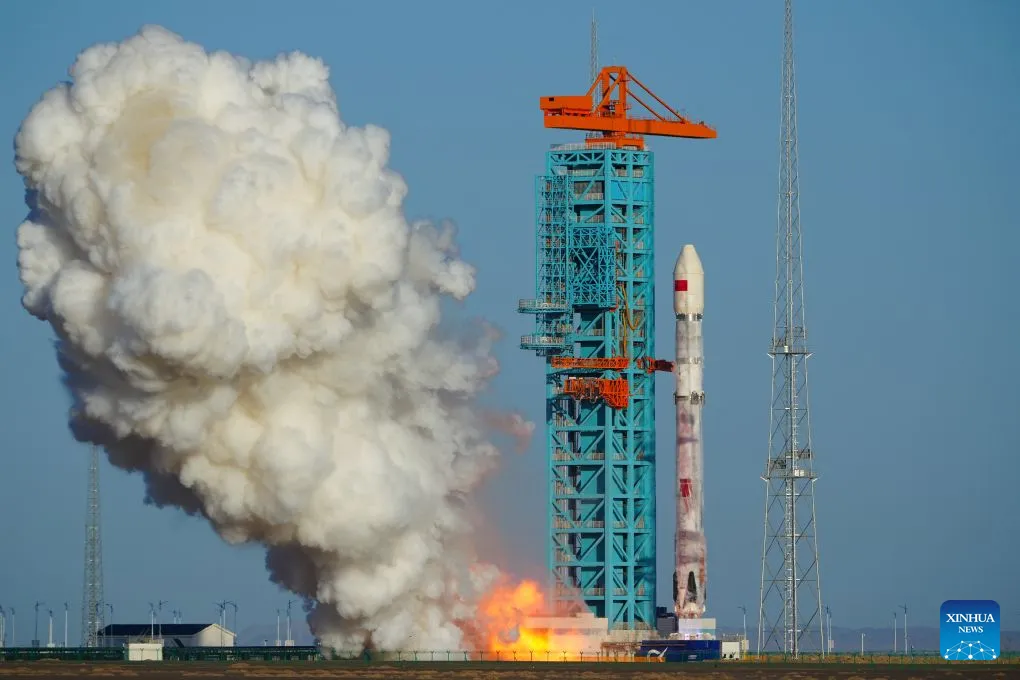
LandSpace Targets Zhuque-3 Reflight Within Six Months After Historic Booster Recovery
China’s commercial launch company LandSpace is aiming to fly a recovered Zhuque-3 first-stage booster again within six months of its landmark August 2026 landing, an aggressive schedule that would mark a major step toward operational rocket reusability in China. The company achieved a breakthrough on Aug. 18 when a Zhuque-3 first stage successfully returned to…
-
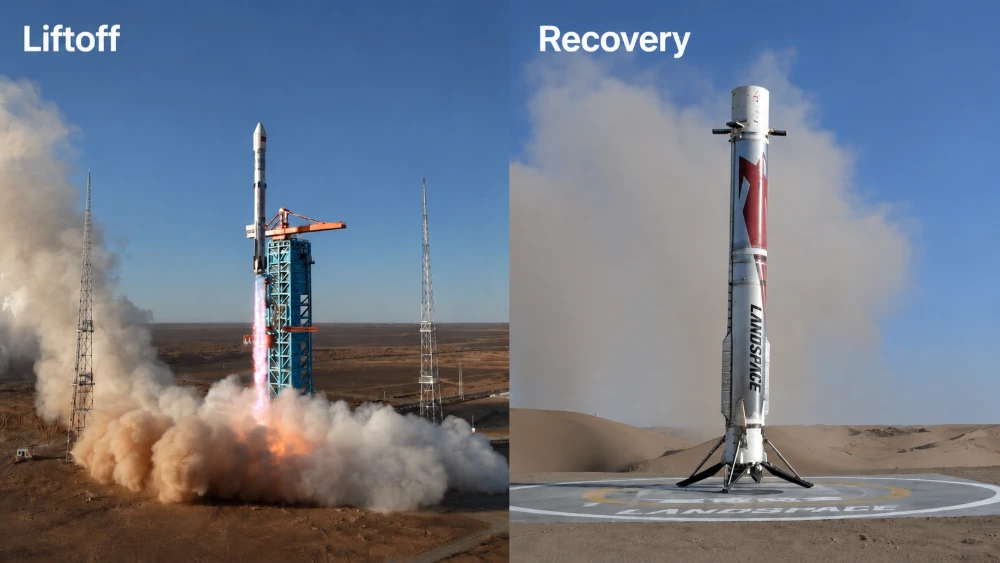
Zhuque-3 Y2 Successfully Recovered: China Achieves Its First Onshore Recovery of an Orbital-Class Rocket First Stage
At 7:35 a.m. Beijing Time on August 19, 2026, the Zhuque-3 Y2 launch vehicle, developed by LandSpace Technology Corporation Ltd. serving as the prime contractor, lifted off from the Dongfeng Commercial Space Innovation Pilot Zone. Approximately 137 seconds after liftoff, the first and second stages separated. The second stage continued its flight and successfully placed…
-
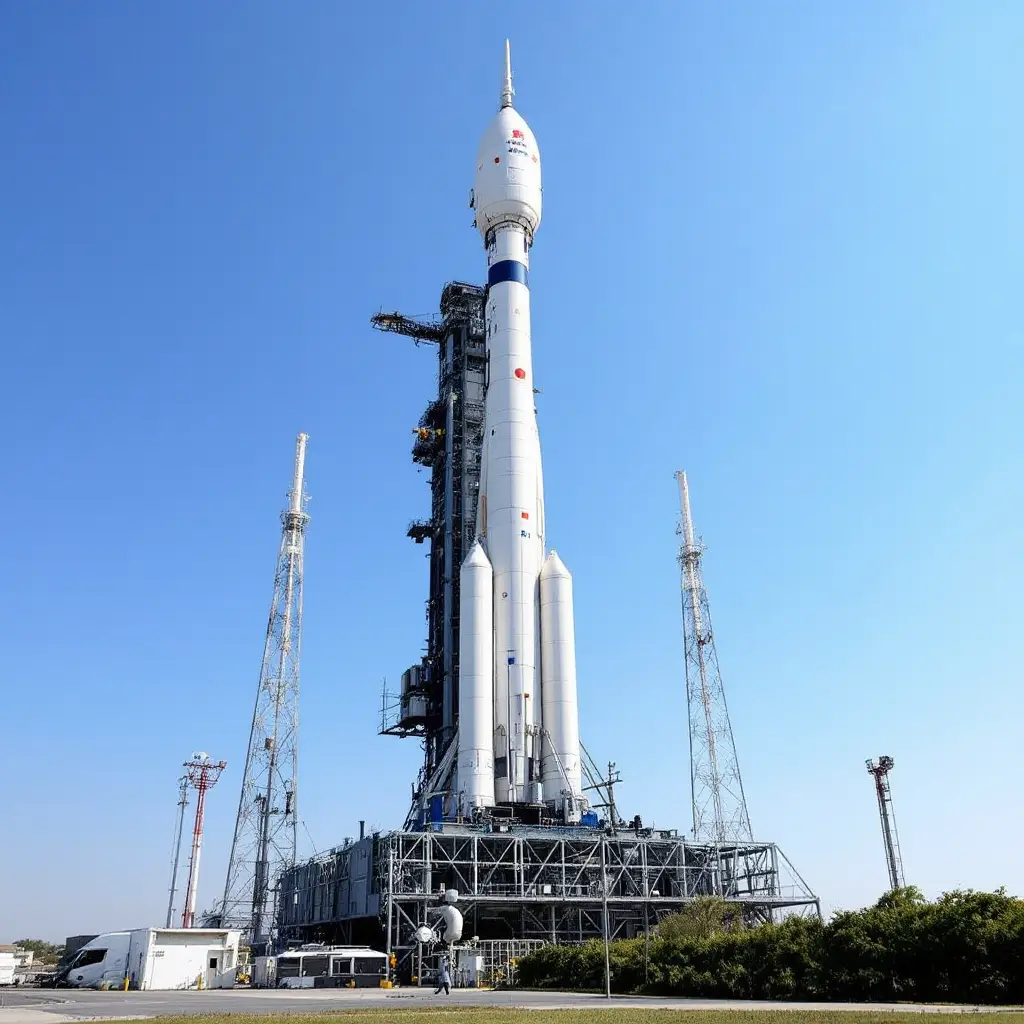
China Moves Chang’e-7 to Launch Pad for High-Stakes Lunar South Pole Mission
China has moved the Chang’e-7 lunar probe and its Long March-5 Y14 rocket to the launch area at the Wenchang Spacecraft Launch Site in Hainan, bringing one of the country’s most ambitious lunar exploration missions to the final stage before liftoff. The vertical transfer took place on Aug. 19, 2026, after the spacecraft and launcher…
-

U.S. Space Force Extends Aging Weather Satellites Through 2028 as New Military Weather Architecture Takes Shape
The U.S. Space Force will keep its aging Defense Meteorological Satellite Program (DMSP) spacecraft operating until at least 2028, extending the life of a satellite fleet that was originally designed for much shorter missions but remains important to military weather forecasting. The decision highlights a transitional period in U.S. military space weather: the Space Force…
-

Russian Space Activity Forces U.S. Air Force C-17 to Turn Back From Antarctica
A U.S. Air Force C-17 Globemaster III bound for Antarctica turned around over the Southern Ocean on Aug. 18 after aviation authorities warned of potentially hazardous Russian space activity and possible debris. The incident highlights a growing operational problem for both military and commercial aviation: activity in space can increasingly create hazards hundreds of thousands…
-
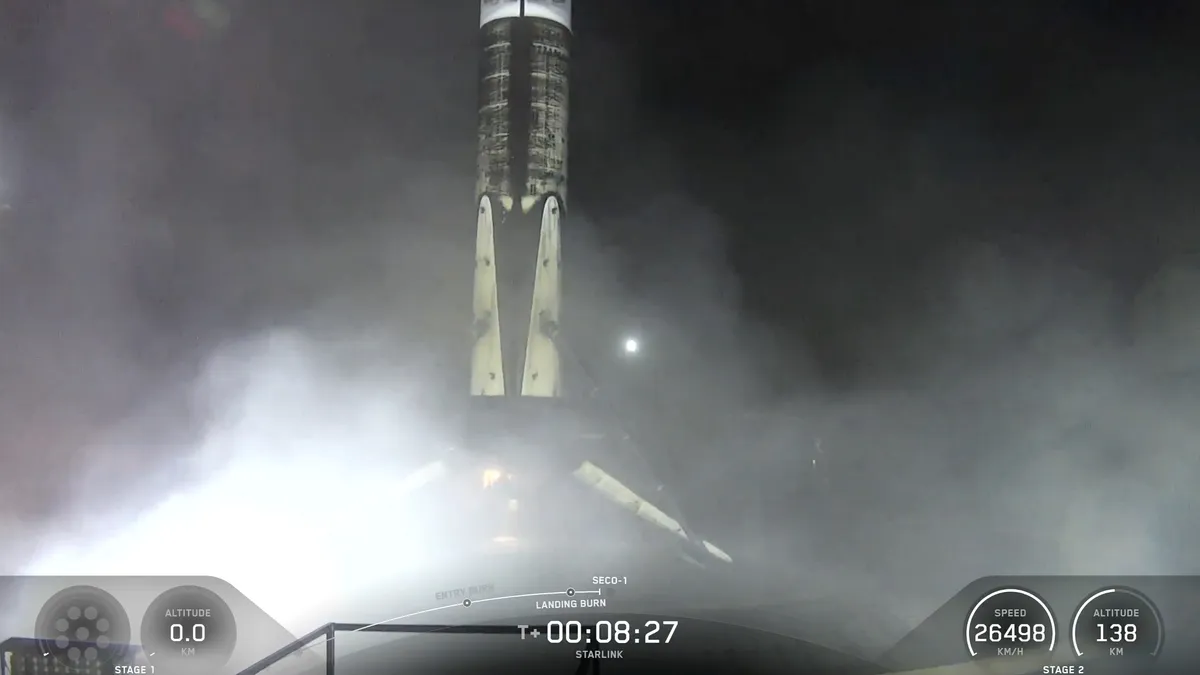
SpaceX Reaches 100th Mission of 2026 as Starlink Launch Highlights a New Era of High-Frequency Spaceflight
SpaceX has completed its 100th mission of 2026, reaching the milestone on Aug. 19 with another Starlink deployment from California. The mission, Starlink Group 17-50, sent 24 Starlink broadband satellites toward low Earth orbit aboard a flight-proven Falcon 9, underscoring how rapidly SpaceX has transformed orbital launch from an occasional event into a high-frequency operational…
-
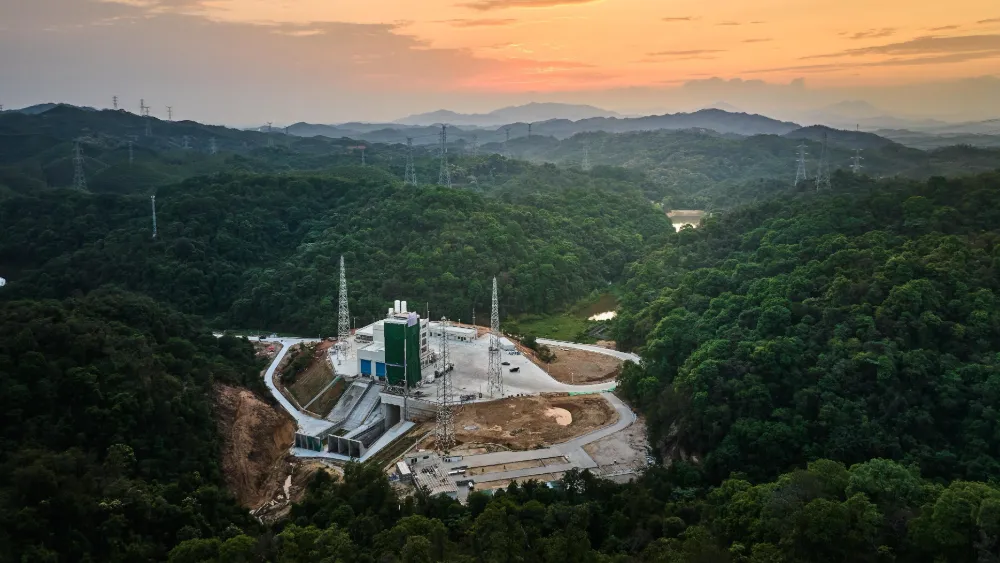
From Building Rockets to Mass-Producing Them, China’s Commercial Space Industry Is Catching Up on Digitalization
In the first half of 2026, China completed 44 space launches, up nearly 26% year on year. Rockets are moving from “a few launches a year” toward high-frequency launch operations, making large-scale production an increasingly urgent priority. And as the industry moves from building individual rockets to mass-producing them, China’s commercial space sector is now…
-
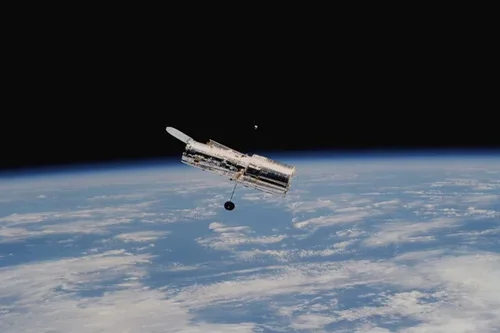
Rwanda and Planet Labs Launch National Satellite Data Program for Government, Universities and Startups
The Government of Rwanda has partnered with Planet Labs to establish a national satellite data program that will provide near-daily Earth observation imagery to government agencies, public universities, selected startups and strategic development partners. Managed by the Rwanda Space Agency, the program is designed to make satellite imagery a more routine component of national decision-making,…