
Tag: China
-

China’s Private Rocket Sector Breaks Into the Satellite Internet Constellation Launch Market
At 2:26 p.m. on September 15, 2026, the ZhuQue-2E Y7 launch vehicle lifted off from the Dongfeng Commercial Space Innovation Pilot Zone at the Jiuquan Satellite Launch Center, successfully deploying 10 SpaceSail Polar Orbit Group 19 satellites operated by Shanghai Spacesail Technologies into their designated orbits. Unlike previous missions, this launch warrants particular attention for…
-

Gravity-1 Launches Nine Satellites on Fourth Flight, Sets Chinese Sea-Launch Records (Video)
Orienspace’s Gravity-1 Y3 solid-propellant rocket launched eight Qianfan broadband satellites and an EUHT technology-demonstration satellite from the East China Sea on September 16, 2026, completing the vehicle’s fourth successful flight and setting new Chinese records for payload mass and orbital altitude on a single sea-launch mission. The rocket lifted off at 6:00 a.m. Beijing time,…
-
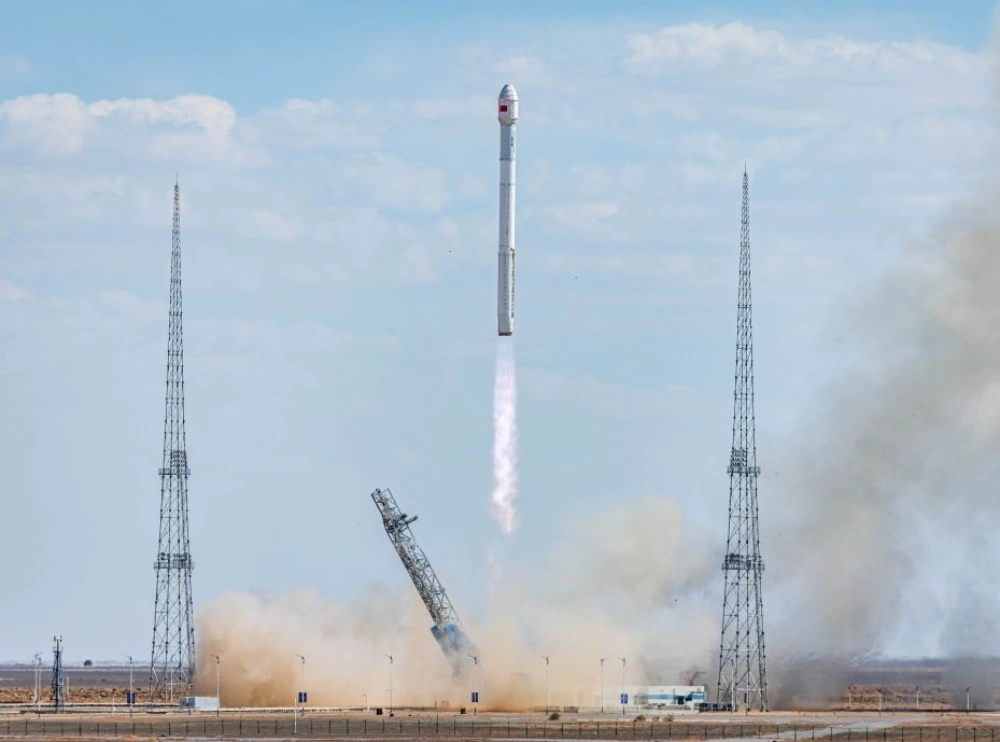
Zhuque-2E Y7 Launches 10 Qianfan Satellites in Single Mission (Video)
LandSpace successfully launched a Zhuque-2E Y7 carrier rocket at 2:26 p.m. on September 15 from the Dongfeng Commercial Space Innovation Pilot Zone, placing 10 satellites for Qianfan Polar Orbit Group 19 into their designated orbits. The successful one-rocket, 10-satellite mission advanced the deployment of the Qianfan constellation while reinforcing Zhuque-2E’s role in China’s expanding commercial…
-
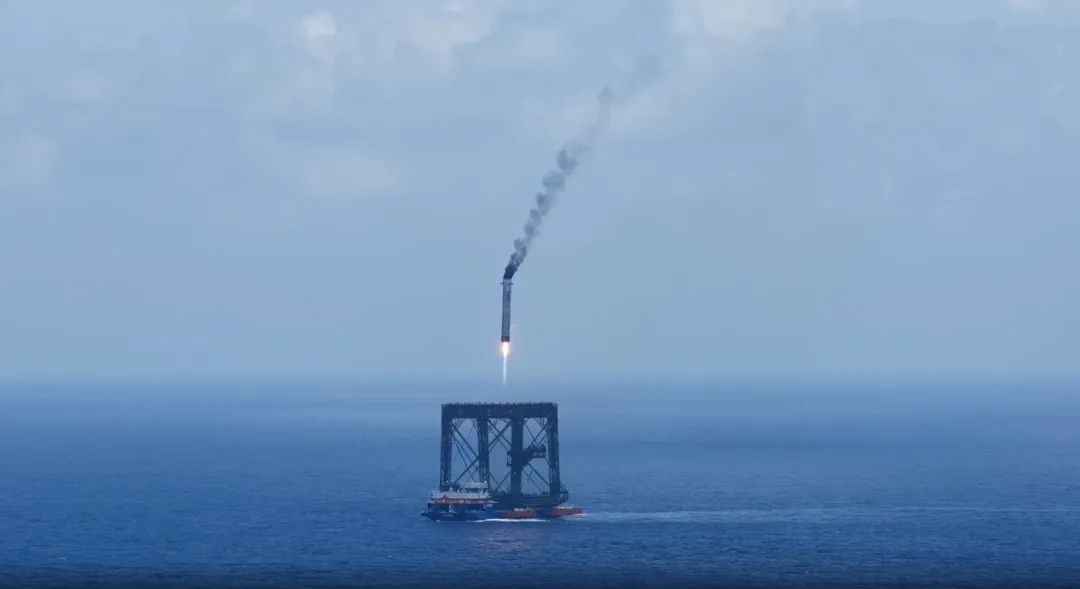
How Do Rockets Find Their Way Home? Three Mainstream Recovery Methods Explained
On August 19, the Zhuque-3 Y2 launch vehicle lifted off from the Dongfeng Commercial Space Innovation Pilot Zone. Its first stage successfully landed as planned at the Zhuque-3 landing site in Minqin County, Gansu Province. The mission marked another major breakthrough for China in key reusable-rocket technologies, making Zhuque-3 the country’s first launch vehicle to…
-

Xiopm SPACE’s Qin Jing: What Is the Real Commercial Value of Space-Based Computing?
In 2026, space-based computing emerged as a major new direction for the commercial space industry. What problems is it meant to solve, and where is the industry heading? Hello Space has launched the Space-Based Computing Interview Series, speaking with leading Chinese companies to examine the real progress being made in this emerging field. Our guest…
-
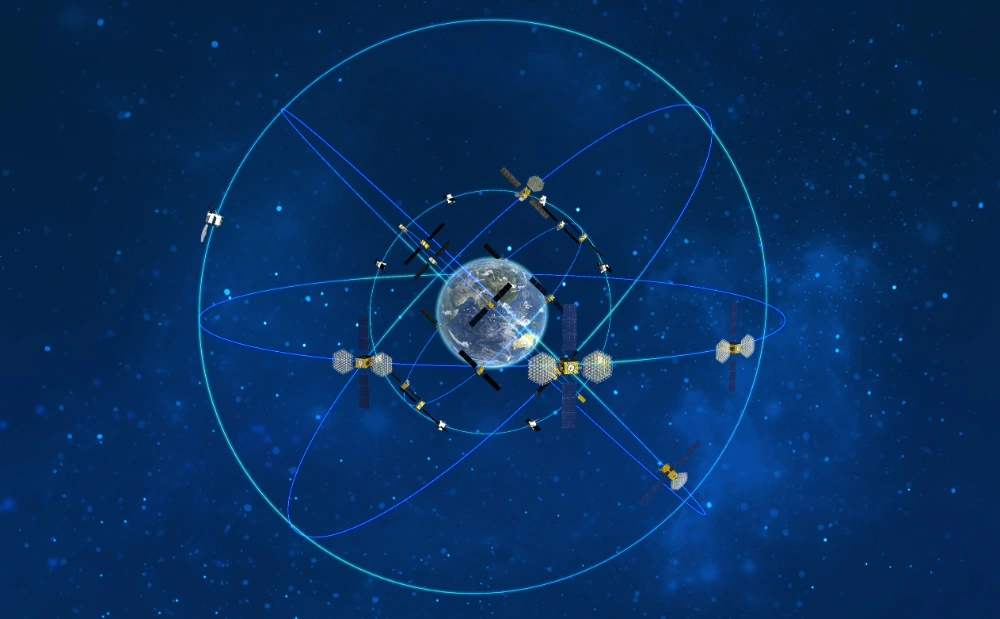
BeiDou Technology Helps Overcome the “Information Islands” Isolating Small Hydropower Plants in Southwestern China
A research team from China Southern Power Grid’s Guizhou Electric Power Research Institute has integrated BeiDou high-precision positioning and short-message communications into the safety monitoring of small hydropower plants in Guizhou, southwestern China. The technology has completed demonstration applications at three remote hydropower stations, helping address communications blind spots and weak early-warning capabilities in the…
-
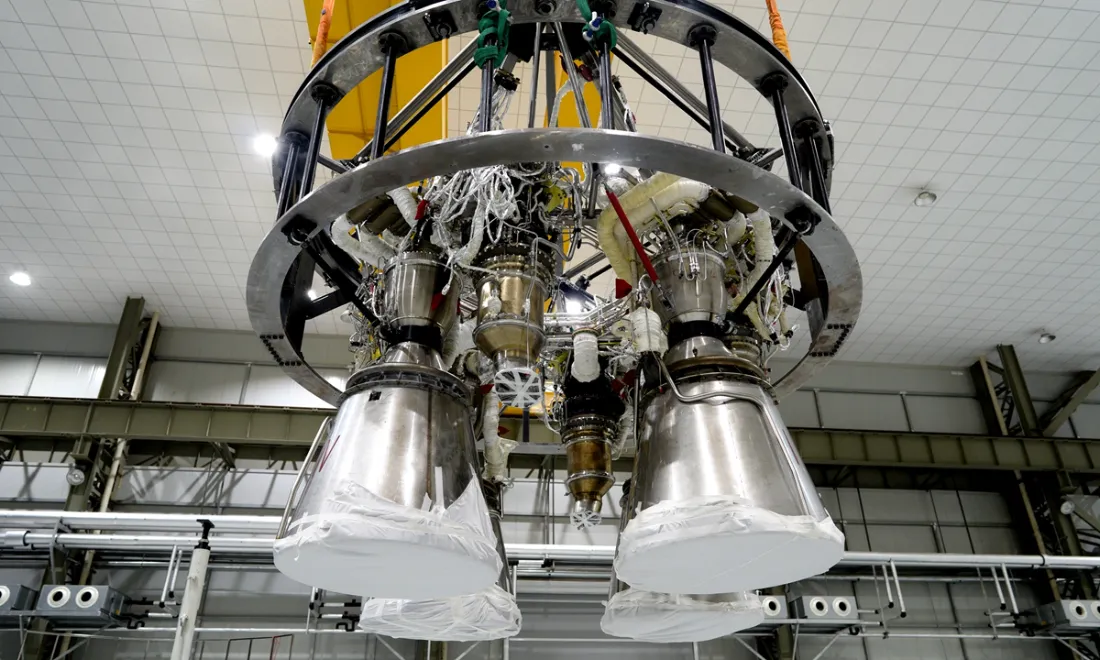
Inside the Global Reusable Rocket Engine Race: Who Is Defining the Next-Generation Heart of Spaceflight?
If rocket engines could only be used once, the space economy would remain an expensive one-way journey. But as Falcon 9 first stages repeatedly return to their landing sites and Raptor engines fire again and again aboard Starship, that logic has been fundamentally rewritten: engine reusability is becoming a decisive factor in launch costs, flight…
-
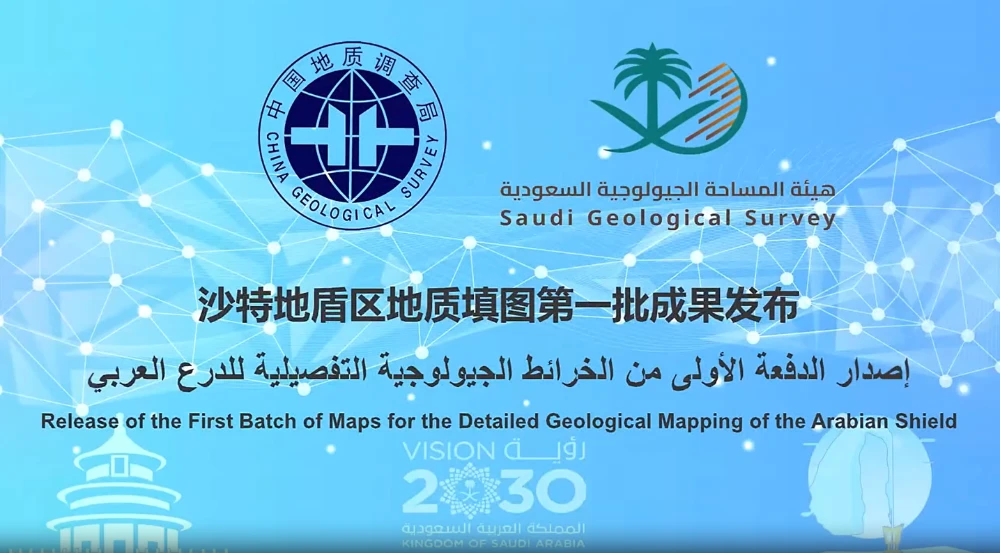
First Geological Mapping Results from China-Saudi Geoscience Cooperation Released
Saudi Arabia’s Geological Survey released the first batch of 24 detailed 1:100,000-scale geological maps of the Saudi Arabian Shield on Sept. 11 during the Central Asia-West Asia Mining Investment Promotion Conference at the 2026 China International Mining Conference. Led by the China Geological Survey, the project represents a major milestone in China-Saudi geoscience cooperation and…
-
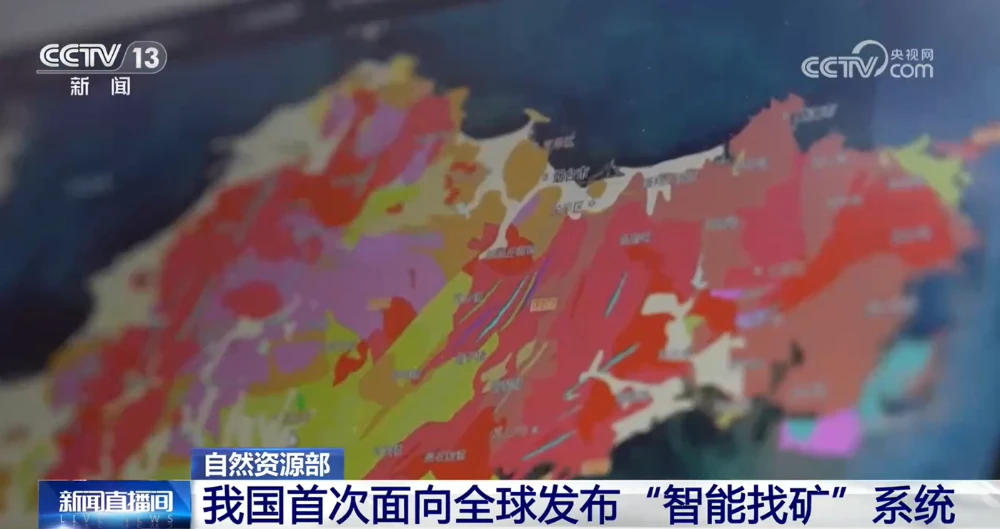
China Unveils First AI Systems for Geological Mapping and Mineral Prospecting
China’s Ministry of Natural Resources on Sept. 11 unveiled the AI-GeoMapping and AI-OreSeeking systems at the 2026 China International Mining Conference, marking the first global release of the two platforms. Developed independently by the China Geological Survey, the systems apply artificial intelligence across the full workflows of basic geological surveying and mineral exploration evaluation. The…
-

China Establishes Unified Standards for GNSS Radio Occultation
China has approved four recommended national standards covering the full technical chain of GNSS radio occultation, from spaceborne sensing payloads to data processing and exchange, the State Administration for Market Regulation and the Standardization Administration of China said Sept. 11. The standards were developed under the coordination of the China Meteorological Administration and are intended…