
Author: starpathwp-production
-
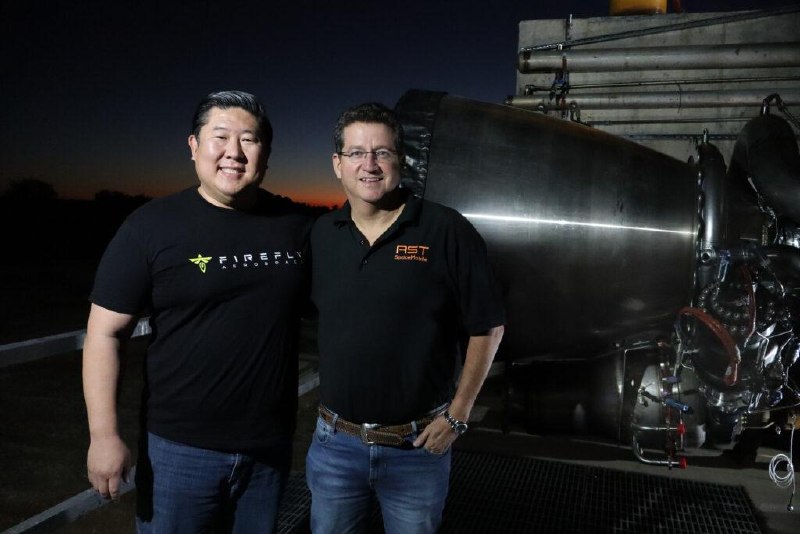
Firefly Lands $1.3 Billion Engine Order to Power AST SpaceMobile’s Heavy-Lift Rocket
The agreement supports AST SpaceMobile’s effort to build and operate its own rocket, roughly 20 tons, to deploy its BlueBird direct-to-device satellites to low Earth orbit. Both companies are headquartered in Texas, and the agreement is described as non-competitive by design, with Firefly retaining full ownership of its engine intellectual property and continuing to serve…
-
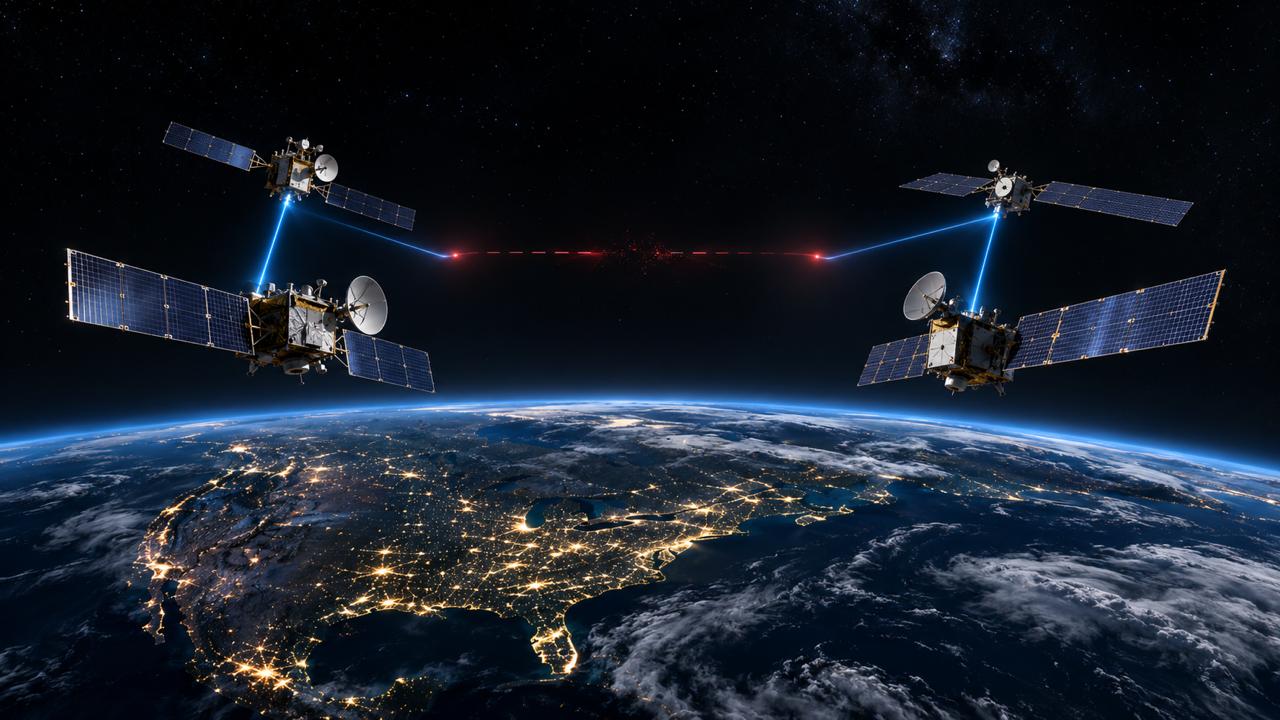
Space Force Eyes $1 Billion Fix to Connect Satellites That Cannot Talk to Each Other
The core problem is that the SpaceX-built Space Data Network Backbone, the Space Development Agency’s Tracking Layer satellites, and Space Systems Command’s Resilient Missile Warning and Tracking satellites in medium Earth orbit all use optical communications terminals built to different technical standards. Those differing standards govern the precise optical waveforms used and how many gigabits…
-

ADIPEC 2026: Monitoring Methane as Oil and Gas Supply Expands
As governments and operators consider how to meet rising demand for reliable, affordable energy, Ipieca CEO Brian Sullivan used his ADIPEC 2026 article Energy Addition and Climate Realism: Governing Supply Growth, Resilience and Emissions to ask how that growth should be managed. Population growth, urbanization, industrial development, and digitalization are increasing demand. At the same…
-

ADIPEC 2026: What Makes a Satellite Monitoring Pilot Ready to Scale?
At ADIPEC 2026 in Abu Dhabi, Weatherford President and CEO Girish K. Saligram said some oilfield service tasks that once required four to eight people are now performed autonomously. Siemens President and CEO Roland Busch argued that extending such gains across industrial operations requires companies to rethink how work gets done. In a separate panel,…
-

ADIPEC 2026: How Do You Upgrade an Oil and Gas Facility While It’s Still Running?
An oil or gas facility can have room to produce more even when there is little room to build. In his ADIPEC 2026 article Brownfield Modernisation: Unlocking the Next Era of Middle East Energy, Technip Energies’ Dominique Gadelle argued that some of the region’s most attractive opportunities lie in assets that have already been operating…
-

ADIPEC 2026: Can Power Grids Keep Up With Renewable Growth?
Francesco La Camera, Director-General of the International Renewable Energy Agency (IRENA), told ADIPEC 2026 that infrastructure has become the main bottleneck for renewable power. Adding solar and wind capacity is only part of the job. Electricity still needs to move from where it is generated to where it is needed, through networks that can balance…
-

ADIPEC 2026: How AIQ Would Investigate a Pipeline Pressure Drop
When pressure drops between two points on a pipeline, an operator has a section to investigate and a decision to make about sending someone into the field. At ADIPEC 2026 in Abu Dhabi, AIQ Chief Executive Officer Dennis Jol used that scenario to show how pressure readings, cameras, drones, and field crews could work together…
-

ADIPEC 2026: ADNOC Gas Eyes Northern Emirates Supply. How Can Operators Manage Pipeline Corridor Risks as Networks Expand?
At ADIPEC 2026 in Abu Dhabi, ADNOC Gas CEO Fatema Mohamed Al Nuaimi said gas buyers are looking for more flexibility in how they secure supply. Long-term contracts remain an important part of that strategy, but buyers also want a wider choice of suppliers, contract lengths, and pricing mechanisms so they can adjust when demand…
-
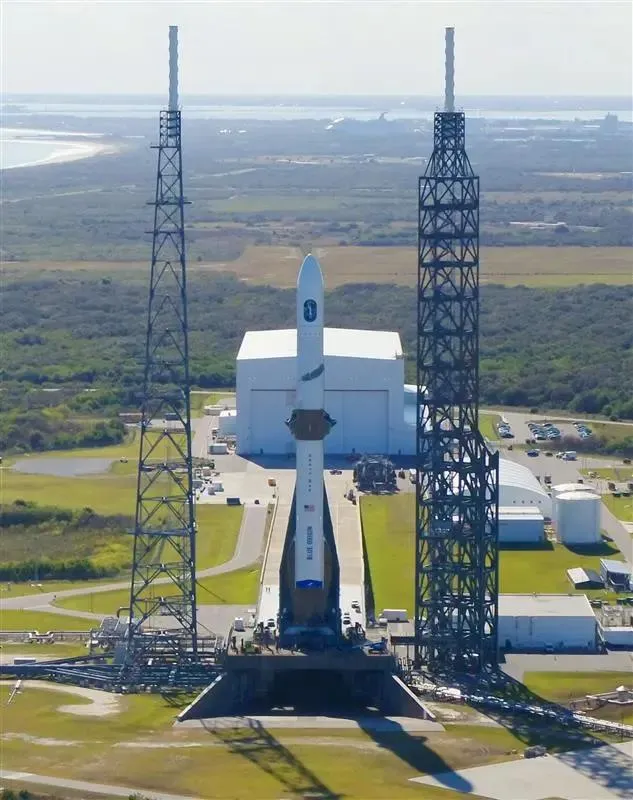
Blue Origin Pushes Next New Glenn Launch to January 2027 After Pad Explosion
The cause is physical rather than procedural. A major explosion during testing in May 2026 caused extensive damage to Blue Origin’s Florida launchpad, and the revised schedule follows from that damage. The delayed mission was meant to carry Amazon internet satellites, though the reporting does not specify how many were on the manifest. Chief executive…
-
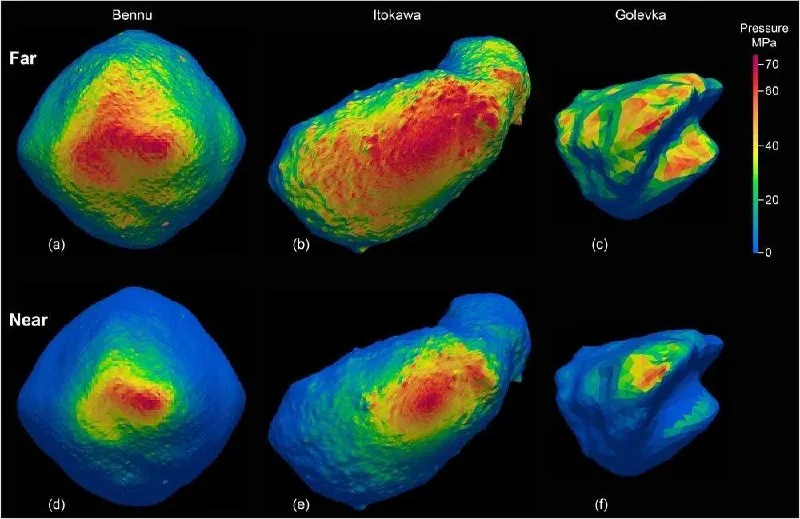
Asteroid Shape Determines Nuclear Deflection Success, New Sandia Study Finds
The work addresses a scenario considered an option of last resort: deflecting a near Earth object or comet discovered too late for a simple kinetic impactor to work. In that case, researchers argue, late interception might only be possible with the higher energy concentration of a pulsed energy device, meaning a nuclear weapon. Rather than…