
Author: starpathwp-production
-
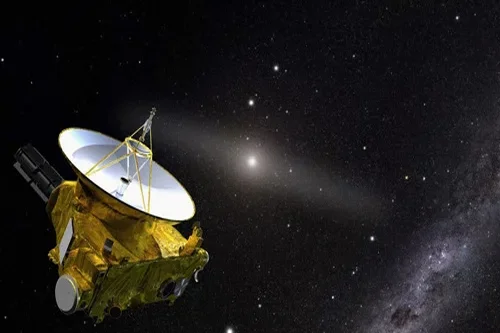
SpaceX Granted U.S. Patent for Direct-to-Cell Beam Synchronization and Delay Compensation Technology
On October 8, 2026, the United States Patent and Trademark Office (USPTO) issued Patent No. 12,757,141 B1 to SpaceX, detailing a beam synchronization and signal delay compensation system engineered for direct-to-device (D2D) satellite communications. Developed by four SpaceX engineers, the patented technology resolves signal timing discrepancies caused by geometric path-length variations between orbital phased-array antennas…
-
DOT Proposes Five FAA Rule Changes to Streamline Part 450 Commercial Launch Licensing
On October 6, 2026, U.S. Secretary of Transportation Sean Duffy announced five proposed rule changes to revise the Federal Aviation Administration’s (FAA) Part 450 commercial launch and reentry licensing framework. The Notice of Proposed Rulemaking (NPRM) actions aim to eliminate administrative bottlenecks and streamline regulatory approvals, with public comments open through November 4, 2026. Proposed…
-
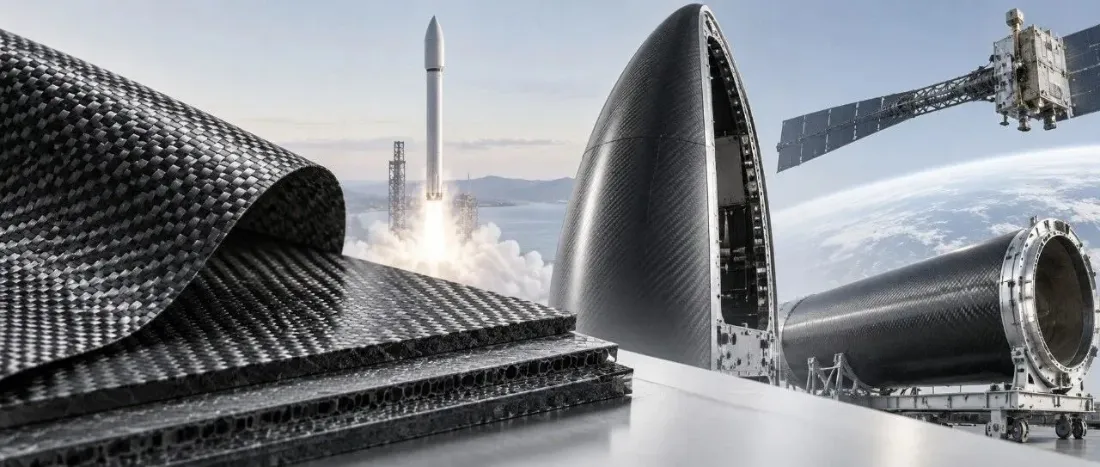
How Carbon Fiber Composites Are Made—and What Their Grades Mean
A carbon fiber tow has its own strength and modulus, but it is not yet a structural material ready to be installed on a rocket or satellite. Once the fibers and resin become a laminate, and that laminate is made into a component with holes and joints, its performance changes with ply orientation, resin system,…
-
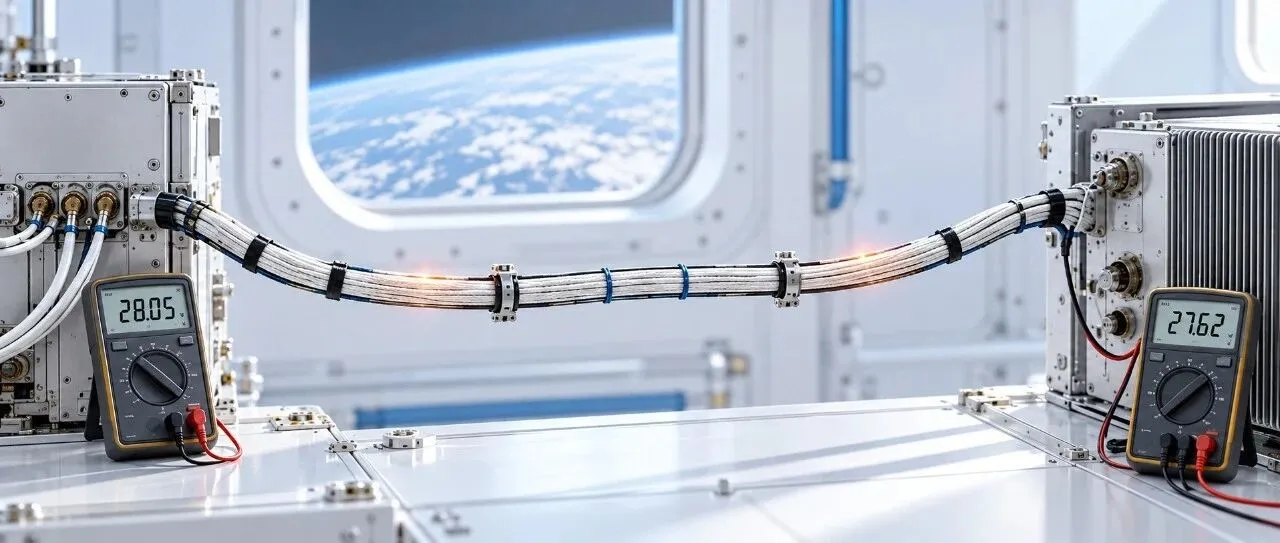
Why Does Voltage Drop Along a Wire but Current Doesn’t?
Related reading: How Do Engineers Choose Satellite Cables? In a DC power branch operating steadily, the voltage between the source’s positive and return terminals is 26 V. At the equipment’s positive and return input terminals, it is only 24.71 V. Where did the missing 1.29 V go? Check the current along this unbranched path, and…
-
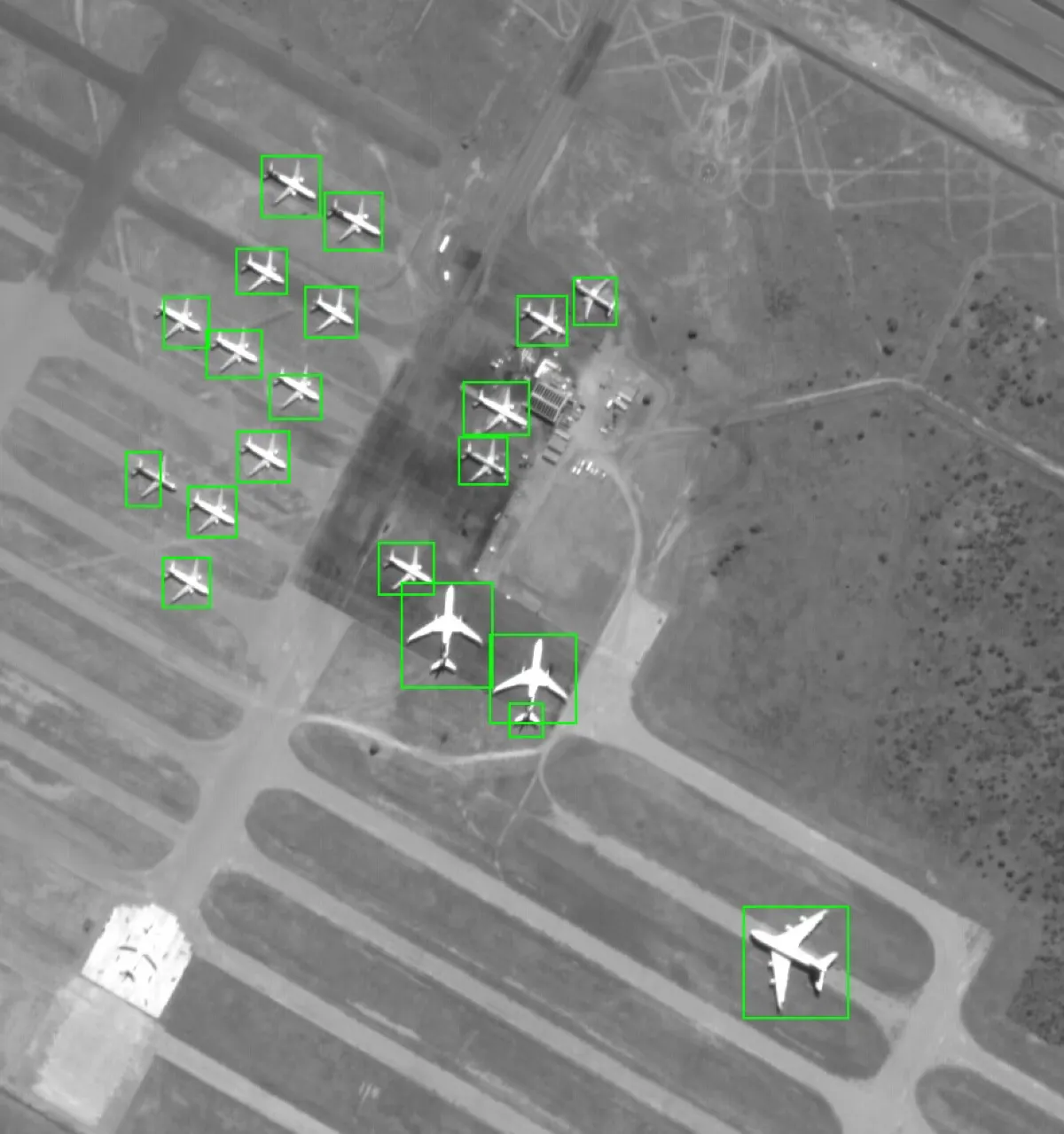
The In-Orbit Remote Sensing Pipeline
Key Insight An in-orbit processing pipeline essentially takes a ground-based data center apart and fits its functions inside a satellite. Each stage uses the computing hardware best suited to its task: FPGAs for rule-based processing, NPUs for AI inference, and CPUs for scheduling. Models that are “good enough” trade complexity for real-time performance. To assess…
-
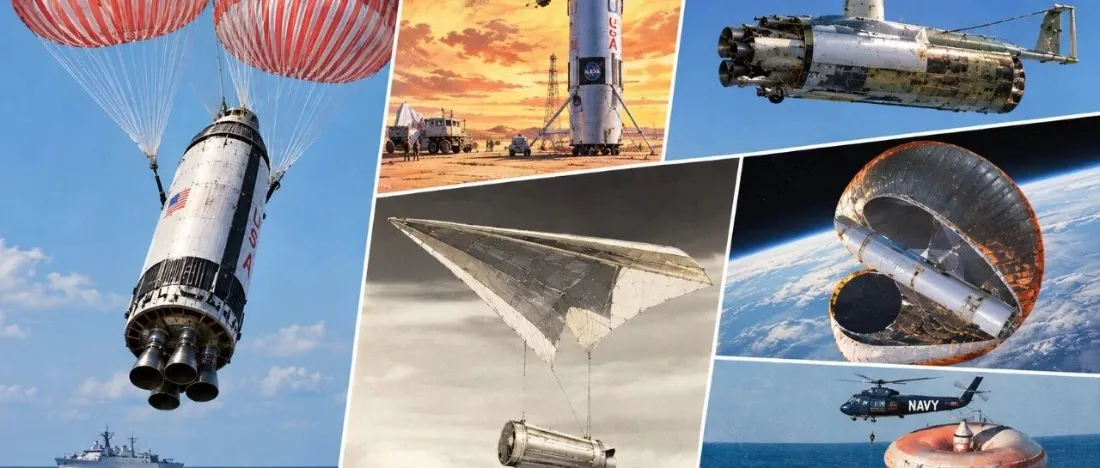
What Unusual Ideas Have Engineers Proposed to Recover Rockets?
Engineers have long wanted to make space launches less expensive. Half a century ago, however, cost was rarely the first priority of a major space program. Completing the mission mattered more. Recovering and reusing rockets is now a key way to reduce launch costs, but engineers were considering the idea even before the Apollo program.…
-
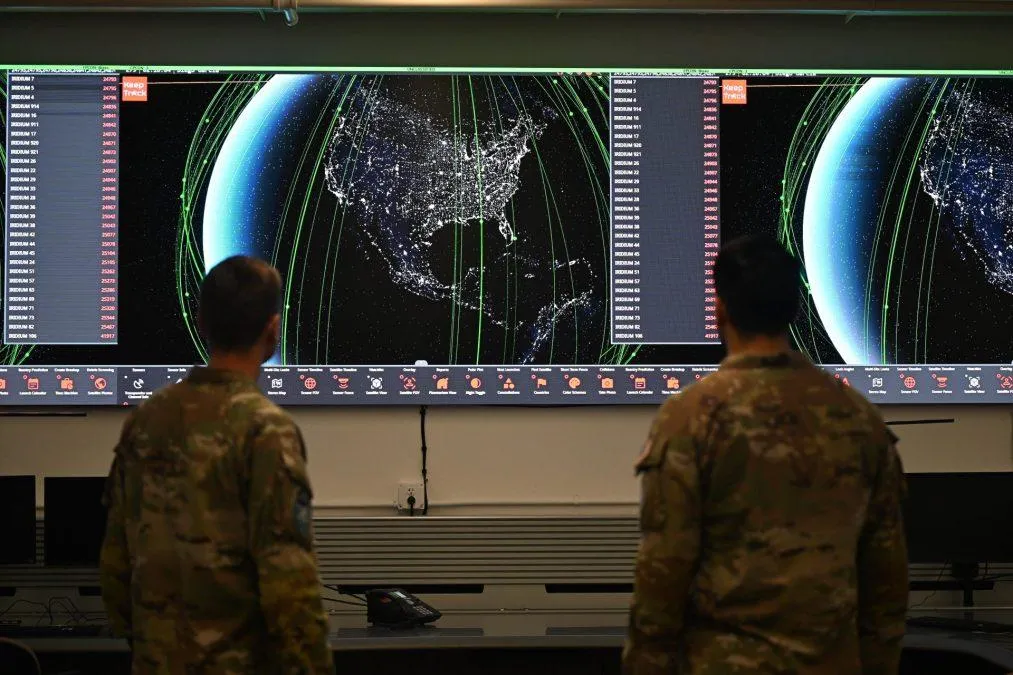
Space Force Seeks Industry Input on Vandenberg Mission Development Zone
The service outlined the proposal as it looks to grow the range of capabilities available to launch providers operating at the installation. The effort centers on creating dedicated space to meet demand for additional processing and assembly resources. Under the plan, the Mission Development Zone would give launch providers room for additional payload processing capacity…
-
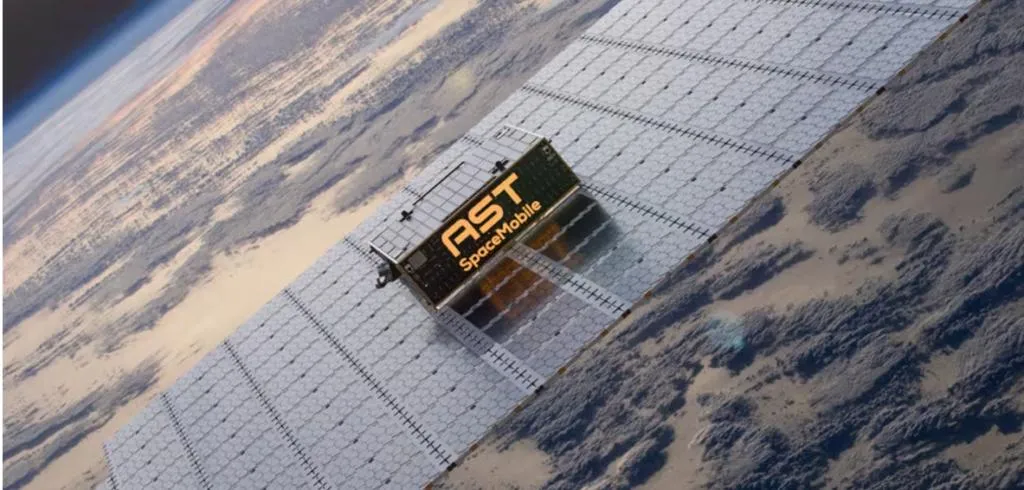
US and Japan Elevate AST SpaceMobile, Rakuten Satellite Network to Sovereign Infrastructure Status
The designation follows bilateral discussions in Kyoto on October 4, 2026, between Michael Kratsios, Director of the White House Office of Science and Technology Policy, and Toshiharu Furukawa, Japan’s Minister of State for Science and Technology Policy. The U.S. Department of State issued a joint protocol on October 5 formalizing the inclusion of the AST…
-
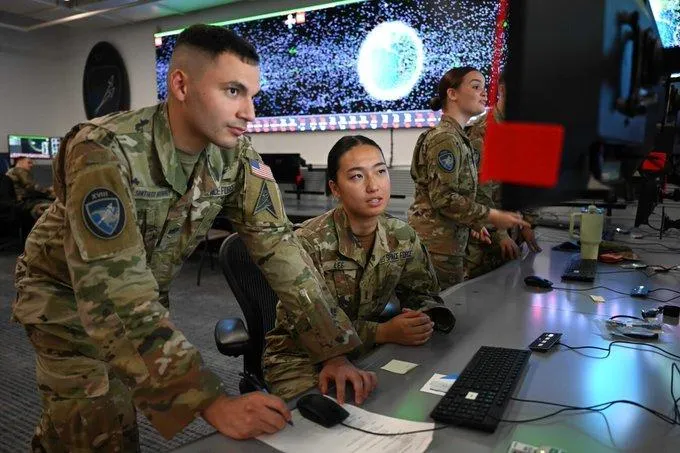
Fisica Wins Space Force DARC Contract for UK Radar Site
DARC is building a global network of advanced ground-based sensors intended to enhance space domain awareness. The program began its first phase one year ago under a trilateral agreement. With construction now complete at the Australian site, the program is advancing to the UK location. Fisica, based in San Leandro, California, secured the contract through…
-

NASA Frames European-Led Gravitational Wave Mission as a Model “Good Deal”
The emphasis comes as NASA reshapes its approach to foreign partnerships, requiring collaborators to make meaningful contributions that US agencies or companies aren’t already pursuing, delivered when NASA needs them. The agency has canceled the Lunar Gateway and the Mars Sample Return mission, the latter after its budget exceeded $10 billion, as the administration directs…