
Blog
-
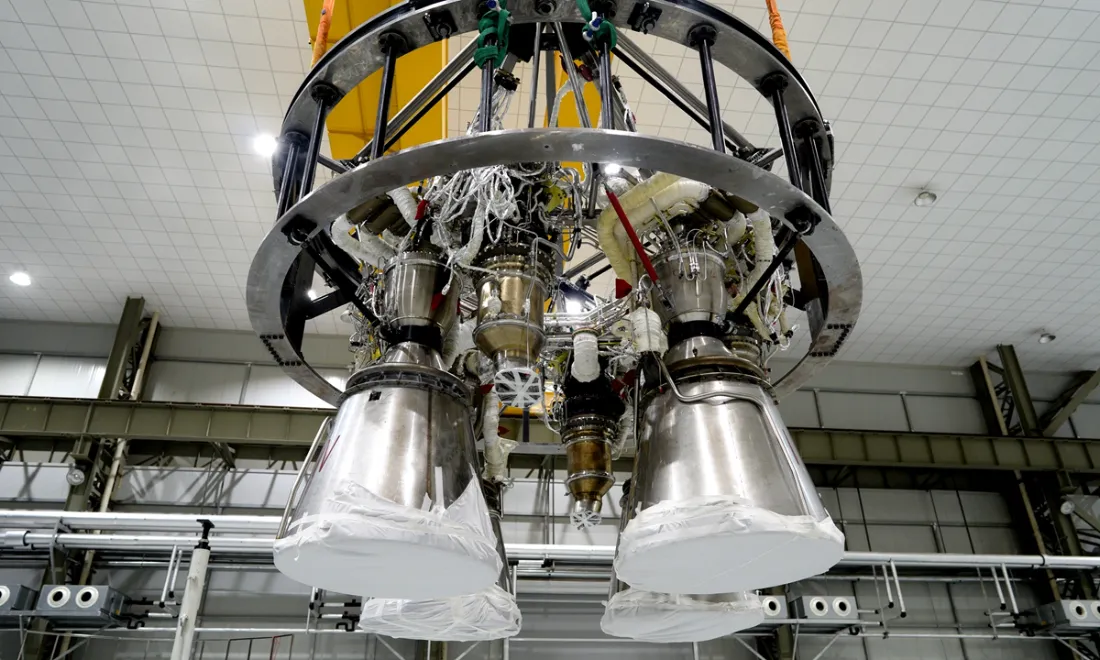
Inside the Global Reusable Rocket Engine Race: Who Is Defining the Next-Generation Heart of Spaceflight?
Read more →: Inside the Global Reusable Rocket Engine Race: Who Is Defining the Next-Generation Heart of Spaceflight?If rocket engines could only be used once, the space economy would remain an expensive one-way journey. But…
-
First Geological Mapping Results from China-Saudi Geoscience Cooperation Released
Read more →: First Geological Mapping Results from China-Saudi Geoscience Cooperation ReleasedSaudi Arabia’s Geological Survey released the first batch of 24 detailed 1:100,000-scale geological maps of the Saudi Arabian…
-
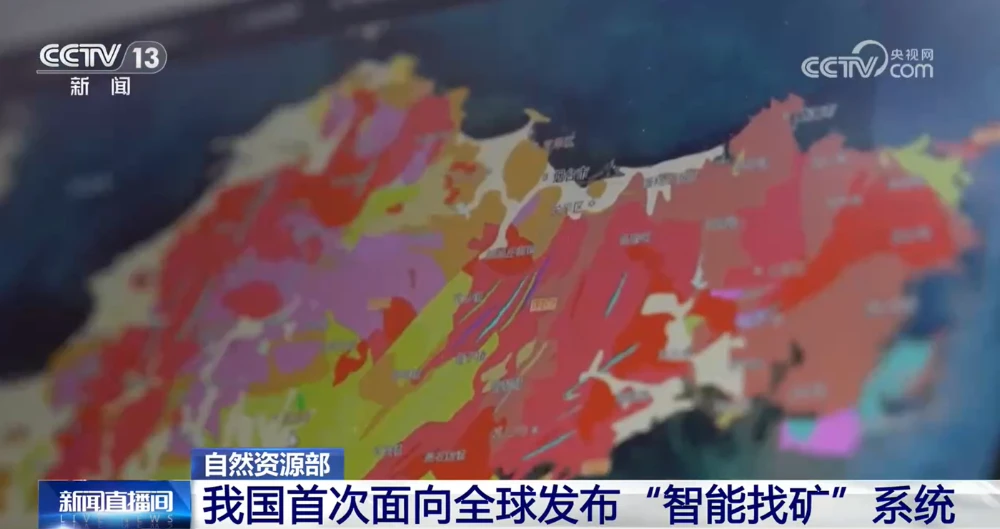
China Unveils First AI Systems for Geological Mapping and Mineral Prospecting
Read more →: China Unveils First AI Systems for Geological Mapping and Mineral ProspectingChina’s Ministry of Natural Resources on Sept. 11 unveiled the AI-GeoMapping and AI-OreSeeking systems at the 2026 China…
-

Both Bound for the Moon: Why Are NASA’s SLS and SpaceX’s Starship So Different?
Read more →: Both Bound for the Moon: Why Are NASA’s SLS and SpaceX’s Starship So Different?On one side is the orange-and-white SLS. On the other is Starship, resembling a stainless-steel tower. Both are…
-

From Precision Landings to Rapid Turnaround: Key Technologies Behind Reusable Rocket Engines
Read more →: From Precision Landings to Rapid Turnaround: Key Technologies Behind Reusable Rocket EnginesWith the successful recoveries of the Long March 10B and Zhuque-3, rocket recovery and reuse have become one…
-

Why Was the Rocket Unscathed After Being Struck by Lightning?
Read more →: Why Was the Rocket Unscathed After Being Struck by Lightning?On July 24, China successfully launched the Tianlian II-06 satellite aboard a Long March-3B carrier rocket from the…
-
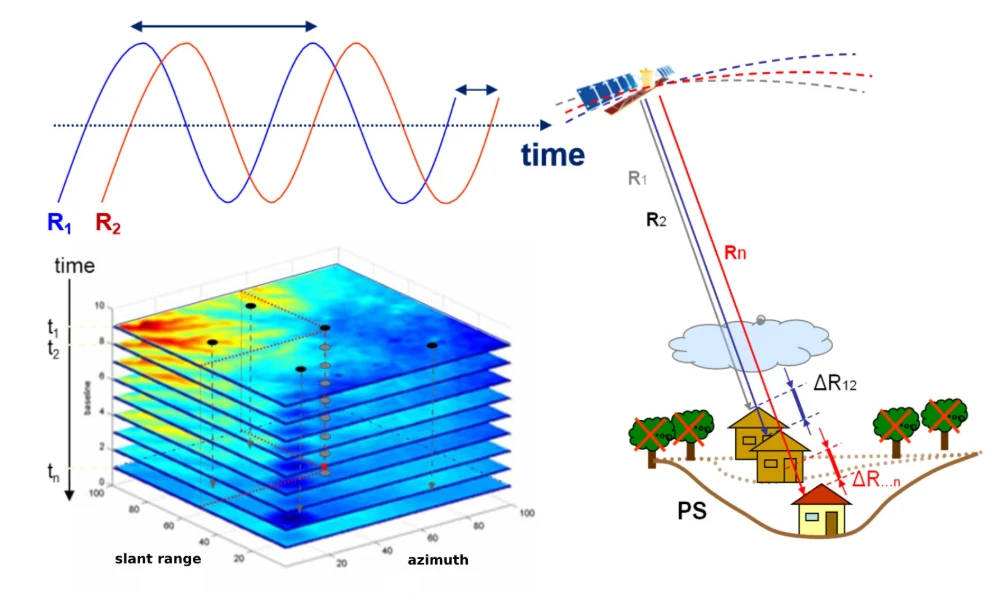
InSAR Monitoring for Infrastructure: Ground Subsidence and Geohazard Assessment
Read more →: InSAR Monitoring for Infrastructure: Ground Subsidence and Geohazard AssessmentAs the old saying goes, it’s better to catch a problem while it’s still small. For infrastructure such…
-
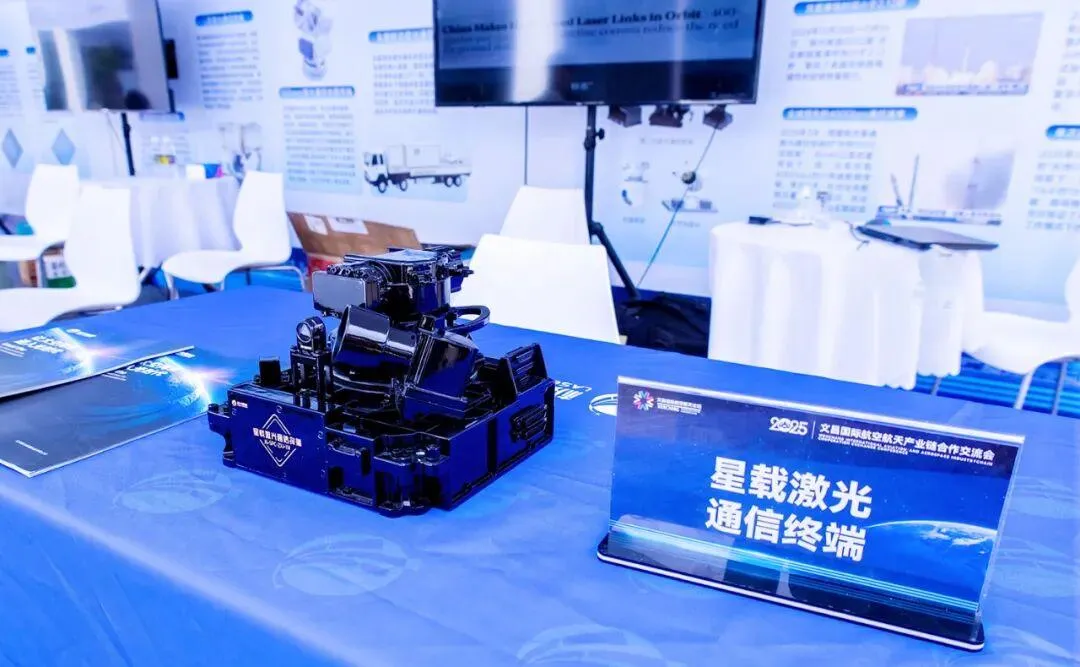
Seven Chinese Private Companies Building the Optical Backbone for Satellite Networks
Read more →: Seven Chinese Private Companies Building the Optical Backbone for Satellite NetworksChina’s commercial space sector is moving satellite laser communications from isolated technology demonstrations toward multi-satellite networking and batch…
-

Behind a Funding Round of More Than RMB 500 Million: How Far Has China’s Space Laser Communications Industry Come?
Read more →: Behind a Funding Round of More Than RMB 500 Million: How Far Has China’s Space Laser Communications Industry Come?HiStarlink recently announced the completion of a Series A2 funding round worth more than RMB 500 million, bringing…
-

What Imaging Capabilities Does Commercial Earth Observation Need in the AI Era?
Read more →: What Imaging Capabilities Does Commercial Earth Observation Need in the AI Era?In the era of AI in space, customers are not simply purchasing an image. What they truly need…