
Blog
-
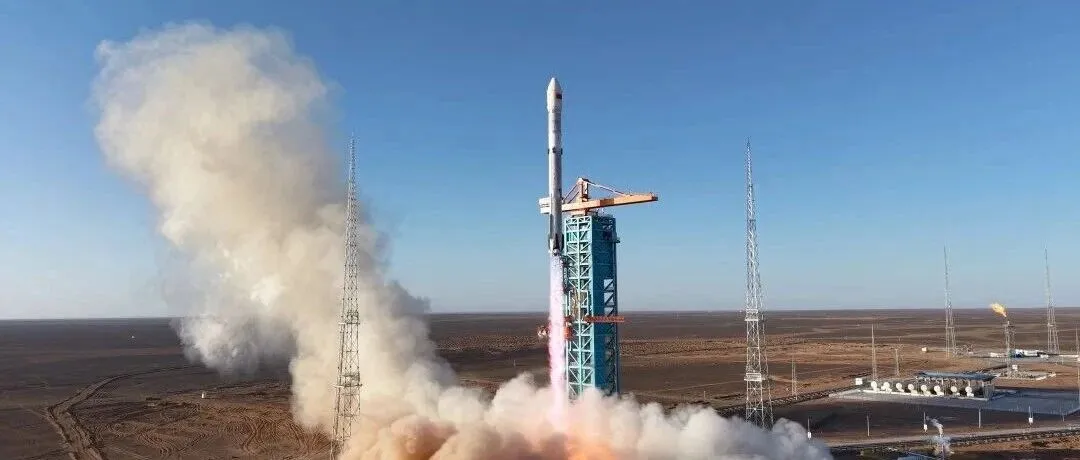
China’s Private Rockets Accelerate Toward Orbit: Who Has Made It—and Who Is Next in Line
Read more →: China’s Private Rockets Accelerate Toward Orbit: Who Has Made It—and Who Is Next in LineOn September 1, PALLAS-1 Y1 lifted off from Jiuquan. Galactic Energy is no longer a company with only…
-

i-Space’s Xie Hongjun: Why Is a Rocket Company Moving Into Space Computing?
Read more →: i-Space’s Xie Hongjun: Why Is a Rocket Company Moving Into Space Computing?In 2026, space computing emerged as an important new frontier in commercial space. What problems is it intended…
-

In the Age of Space Computing, Why Is Energy Both the First Opportunity and the First Barrier?
Read more →: In the Age of Space Computing, Why Is Energy Both the First Opportunity and the First Barrier?On the ground, when computing capacity falls short, more servers can be added, the grid can supply more…
-

China Commercial Space Industry Monthly Report — August 2026
Read more →: China Commercial Space Industry Monthly Report — August 2026In August 2026, China and the United States continued to dominate the global launch market. The United States…
-

‘Xuelong’ Receives and Processes HY-1E Data in Arctic, Expanding Real-Time Satellite Support for Polar Navigation
Read more →: ‘Xuelong’ Receives and Processes HY-1E Data in Arctic, Expanding Real-Time Satellite Support for Polar NavigationChina’s icebreaker Xuelong successfully received and processed data from the HY-1E ocean-color satellite while sailing at high speed…
-

China Uses Fengyun Satellites and MAZU to Support Cross-Border Disaster Monitoring in Nepal
Read more →: China Uses Fengyun Satellites and MAZU to Support Cross-Border Disaster Monitoring in NepalOn Aug. 26, a high-altitude ice-and-rock avalanche occurred on the Nepalese side of the border, triggering a chain…
-

From “Southern Rockets, Northern Satellites” to Four-District Coordination: Why Has Beijing Become a Hub for Commercial Space?
Read more →: From “Southern Rockets, Northern Satellites” to Four-District Coordination: Why Has Beijing Become a Hub for Commercial Space?On September 3, the Beijing Municipal Bureau of Commerce released the Work Plan for the Development of China…
-
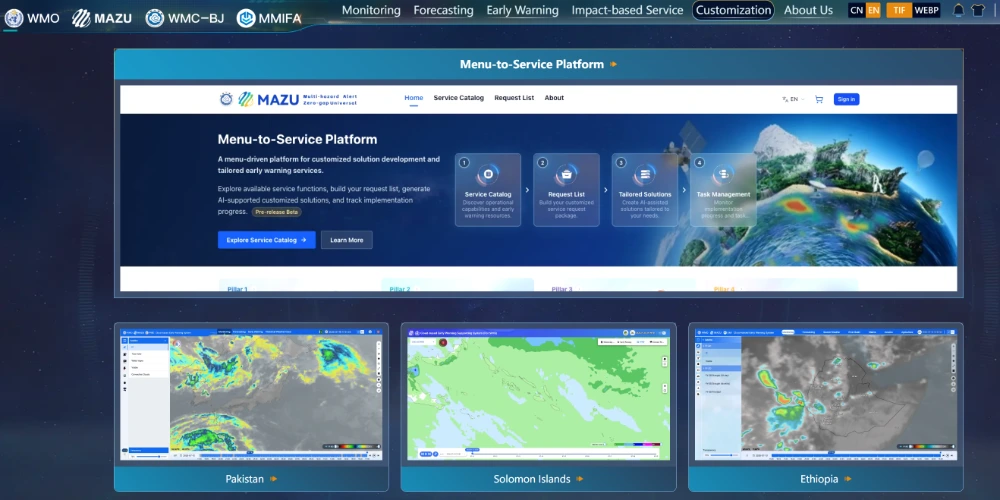
China’s MAZU System Brings AI-Powered Early-Warning Capabilities to Weather-Vulnerable Regions
Read more →: China’s MAZU System Brings AI-Powered Early-Warning Capabilities to Weather-Vulnerable RegionsChina is expanding an artificial-intelligence-based weather early-warning solution to developing countries, combining satellite observations, radar, buoy measurements and…
-

PALLAS-1 Completes Successful Maiden Flight: Why Did Galactic Energy Stick With LOX/Kerosene?
Read more →: PALLAS-1 Completes Successful Maiden Flight: Why Did Galactic Energy Stick With LOX/Kerosene?On the morning of September 1, PALLAS-1 Y1 lifted off from Jiuquan and successfully entered its planned orbit.…
-

Space Computing Interview Series: GalaxySpace’s Zhang Shijie on the Problems Space Computing Is Meant to Solve
Read more →: Space Computing Interview Series: GalaxySpace’s Zhang Shijie on the Problems Space Computing Is Meant to SolveIn 2026, space computing has emerged as a major new direction for the commercial space industry. But what…