
Tag: Deep Space Exploration
-
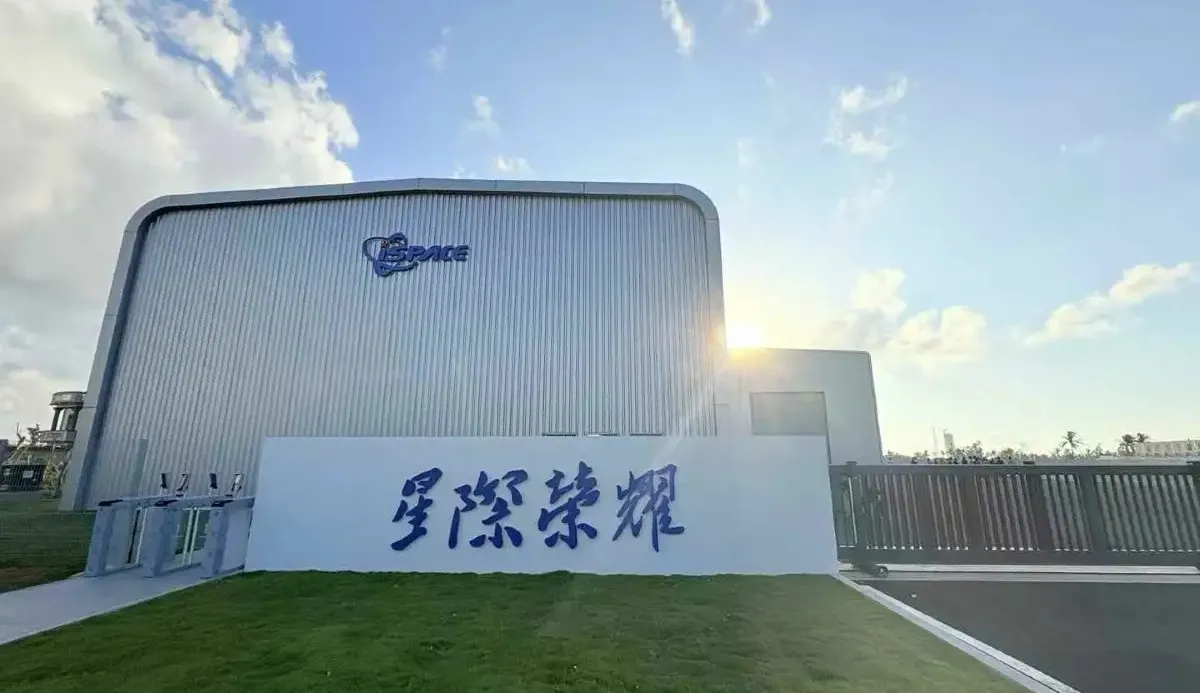
iSpace Begins Preliminary Studies for 100-Tonne-Class Heavy-Lift Rocket
Chinese private launch company iSpace has announced the start of preliminary studies for its Hyperbola-9 (SQX-9) heavy-lift rocket. The proposed vehicle targets a payload capacity in the 100-tonne class to low Earth orbit (LEO), with a first stage powered by 33 liquid oxygen–methane engines, each in the 300-tonne-thrust class. It is intended to support crewed…
-
Two Paths to Reliable Space Computing
One approach relies on BAE Systems’ RAD750 family: expensive radiation-hardened processors with a long record of service on deep-space missions. The other uses commercial processors backed by redundant computers and fault-tolerant software, as demonstrated by SpaceX. The question is not simply which technology is more advanced. These approaches reflect two different ways of paying for…
-
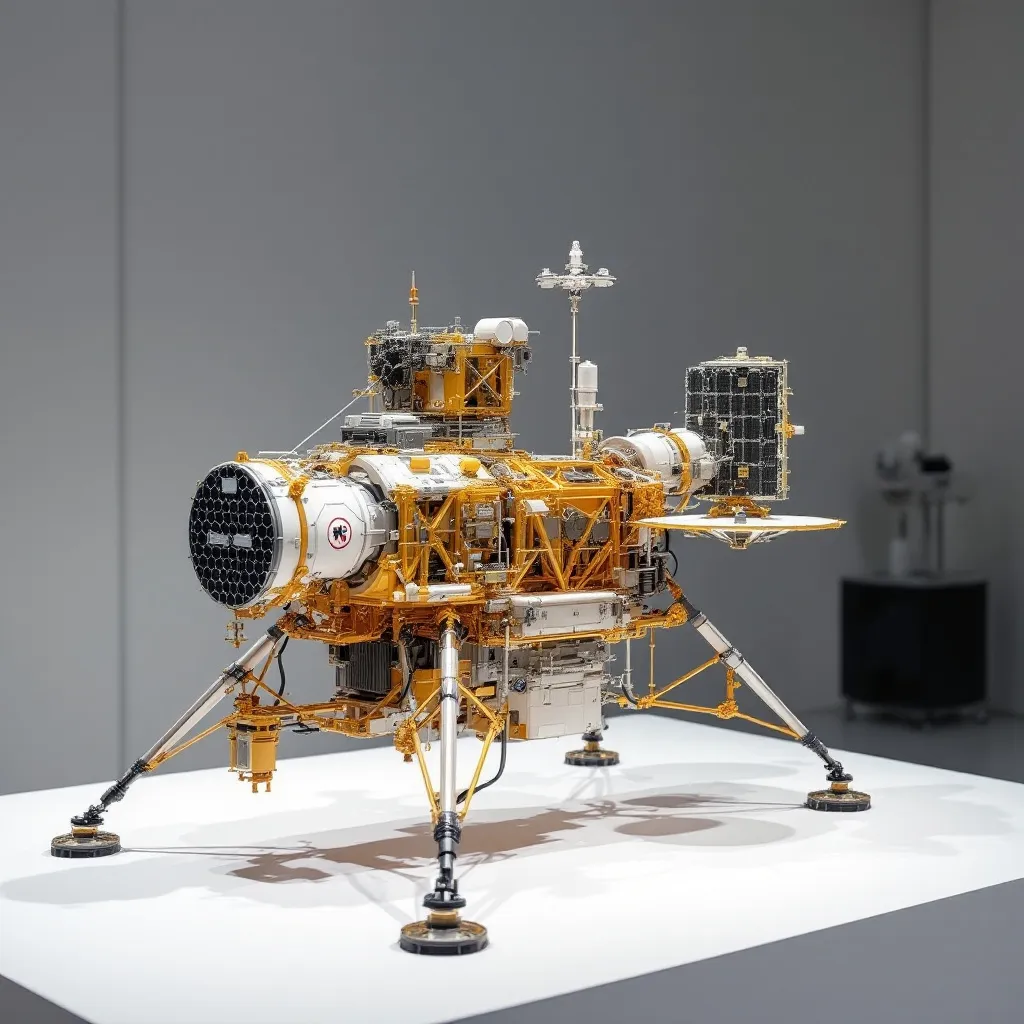
China Advances Tianwen-3 Mars Sample Return Mission Into Prototype Development
China’s Tianwen-3 Mars sample return mission has entered prototype development, with two Long March 5 launches planned for late 2028 or early 2029 and the return of approximately 500 grams of Martian material targeted for around 2031. If successful, Tianwen-3 could become the first mission to deliver samples from Mars to Earth, while supporting China’s…
-
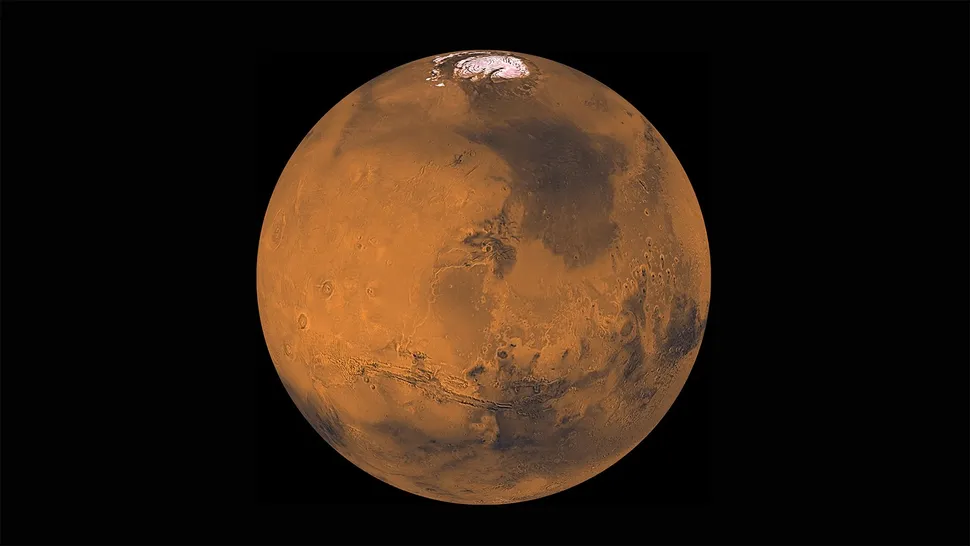
China Advances Tianwen-3 Mars Sample-Return Mission Toward 2028 Launch
China has moved hardware for its Tianwen-3 Mars sample-return mission into prototype development, maintaining plans for two Long March 5 launches in late 2028 and the return of approximately 500 grams of Martian material to Earth around 2031. If successful, the mission would complete the first direct return of samples from Mars and could give…
-
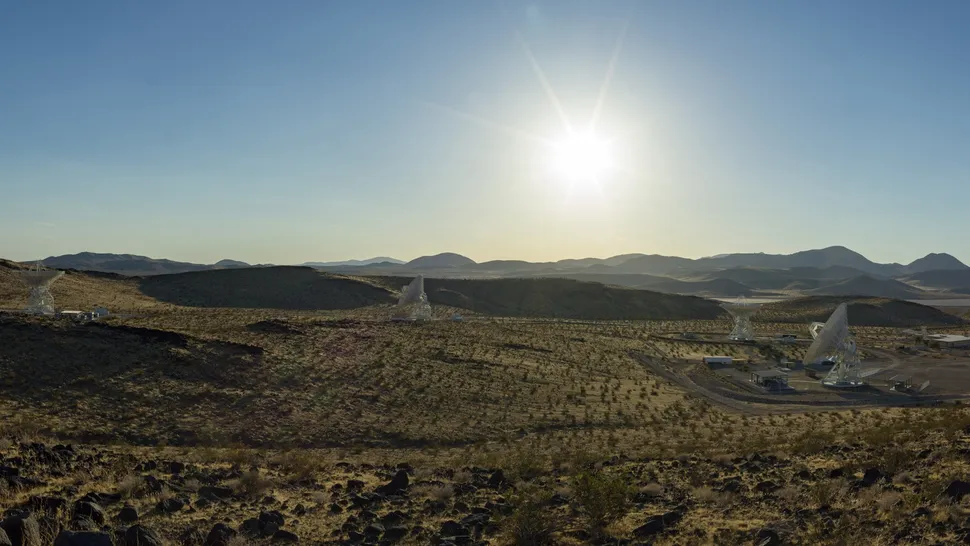
NASA Adds 34-Meter Goldstone Antenna to Expand Deep Space Network Capacity
NASA’s Deep Space Station 23 began operations on Aug. 3, 2026, at the Goldstone Deep Space Communications Complex near Barstow, California, adding a 34-meter antenna to its heavily subscribed Deep Space Network. Its first operational contact tracked the Chandra X-ray Observatory, following a testing campaign from May through July. NASA marked the antenna’s completion with…
-
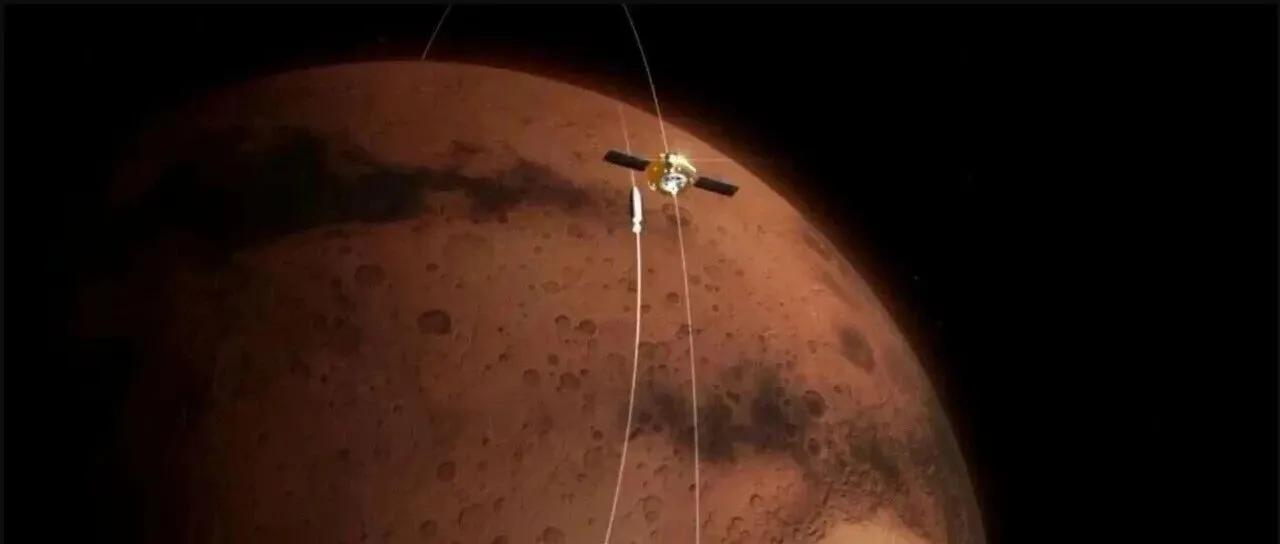
Tianwen-3 to Dig Up Martian Soil and Bring It Back to Earth, a First for Humanity
As a key step in China’s planetary exploration program, the Tianwen-3 Mars sample return mission is expected to become the first successful Mars sample return mission in human history. At the 2026 Deep Space Exploration (Tiandu) International Conference held on September 3, Academician Hou Zengqian of the Chinese Academy of Sciences, the chief scientist of…
-

From “Southern Rockets, Northern Satellites” to Four-District Coordination: Why Has Beijing Become a Hub for Commercial Space?
On September 3, the Beijing Municipal Bureau of Commerce released the Work Plan for the Development of China (Beijing) Pilot Free Trade Zone Linkage Development Areas. The commercial space section presents a more detailed industrial coordination map than the previous “Southern Rockets, Northern Satellites” concept: Haidian focuses on constellation R&D, Fengtai on satellite application services,…
-

Top ten frontier scientific issues in the field of remote sensing science and technology
In early July, Academician Zhang Bing and his co-authors published an article in the Journal of Remote Sensing, summarizing and discussing 10 frontier scientific questions in remote sensing science and technology. Original article: https://www.ygxb.ac.cn/zh/article/doi/10.11834/jrs.20266221/ Abstract Remote sensing is a fundamental technology for understanding the Earth system. The integration of coordinated satellite-airborne-tower-ground observations with artificial intelligence,…
-
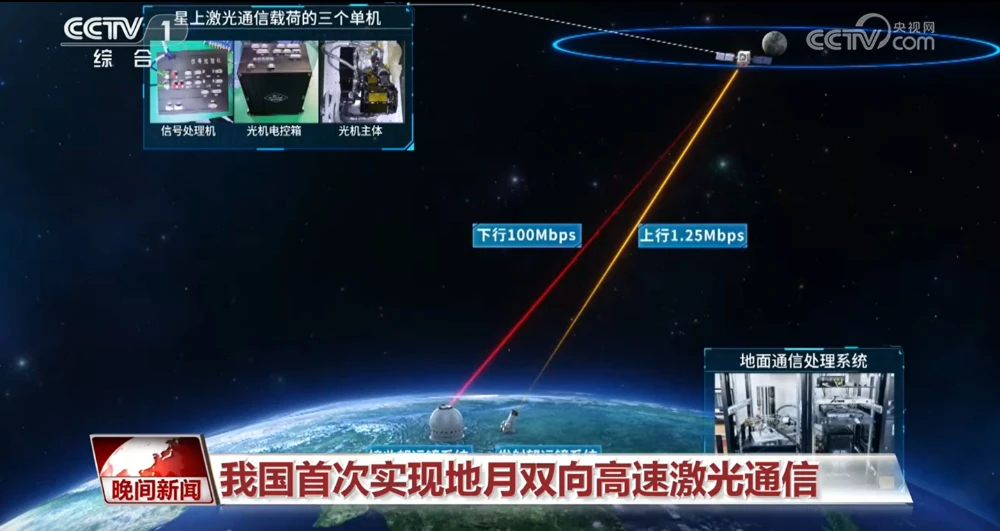
China Achieves First Two-Way High-Speed Earth-Moon Laser Communications
China has achieved two-way high-speed laser communications between Earth and the Moon for the first time, establishing a bidirectional optical link across more than 400,000 kilometers and marking a major expansion of the country’s space laser communications capabilities into cislunar space. The Technology and Engineering Center for Space Utilization of the Chinese Academy of Sciences…
-
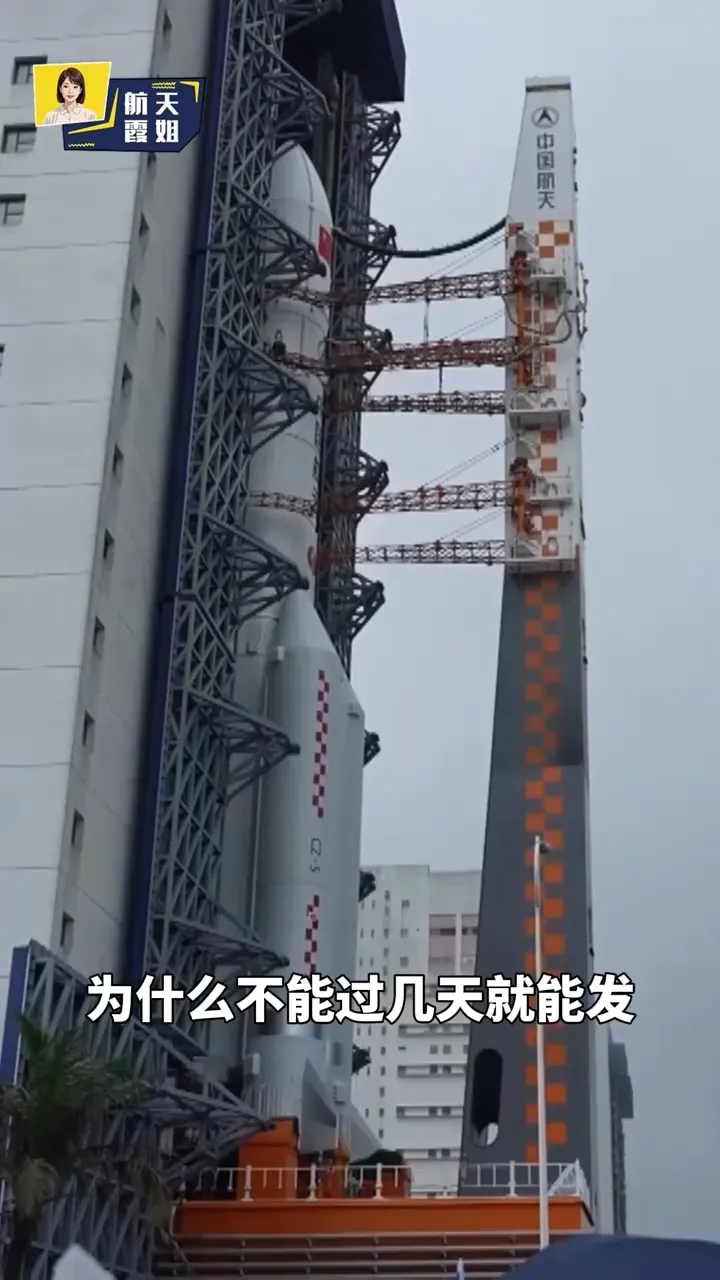
What Is a Launch Window? Why Can’t Chang’e-7 Just Launch a Few Days Later?
According to official information, the Chang’e-7 mission does not currently meet launch conditions and cannot be carried out within its scheduled launch window this year. Many people have asked: What exactly is a launch window, and why can’t the mission simply be delayed by a few days? In simple terms, a launch window is the…