
Author: starpathwp-zyj
-

Global Critical Minerals Outlook 2026
The IEA examines the full spectrum of energy issues including oil,gasand coal supply and demand, renewable energy technologies, electricity markets, energy efficiency , access to energy , demand sidemanagement and much more. Through its work, the IEA advocates policies that will enhance the reliability , affordability and sustainability of energy in its 32 Member countries,…
-
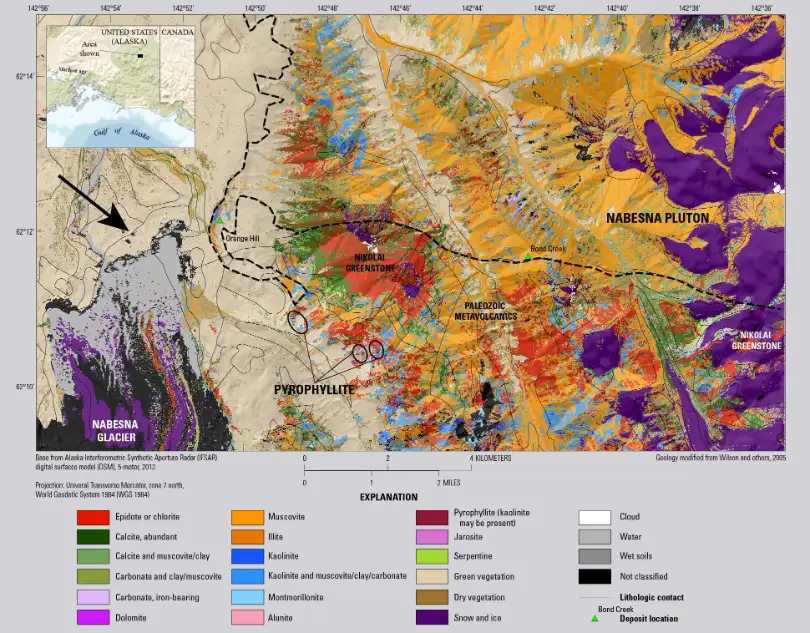
From Spectral Fingerprints to Target Prioritization: How Hyperspectral Satellites Support Mineral Exploration
According to the International Energy Agency’s Global Critical Minerals Outlook 2026, global critical mineral exploration spending fell by more than 10% in 2025. Exploration spending on lithium and nickel declined by around 45%, while spending on copper remained broadly stable. This increasingly cautious investment environment stands in contrast to the persistent long-term pressure on critical…
-
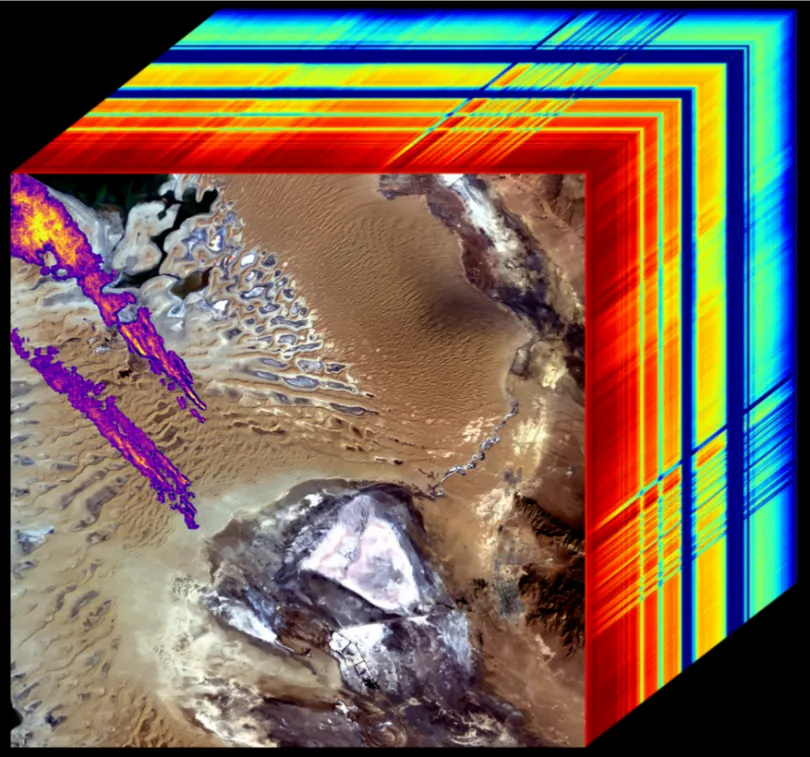
From Detecting Methane Plumes to Verifying Mitigation: How Satellites Can Advance the Governance Loop for Oil and Gas Methane Emissions
In July 2026, UN News reported that UNEP’s Methane Alert and Response System had issued more than 5,000 alerts concerning major methane emission events across 33 countries. UNEP separately reported that, as of April 2026, IMEO had documented more than 40 mitigation cases. At the time, approximately 13% of MARS alerts had received a recorded…
-
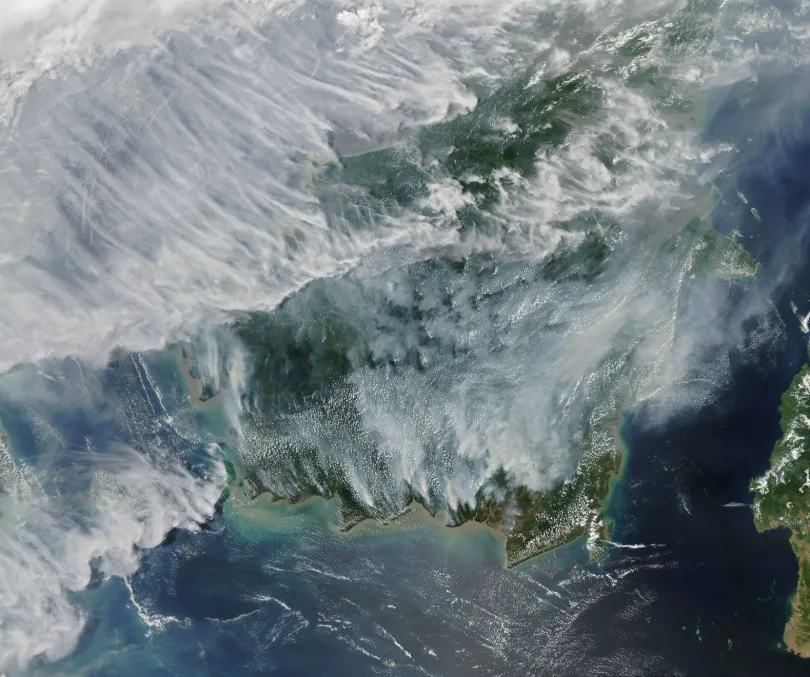
Rising Peatland Fire Risk in Southeast Asia: How Satellite Monitoring Strengthens Early Warning and Transboundary Haze Prevention
Southern Southeast Asia has entered its traditional dry season. As hotter and drier conditions develop, fire and smoke signals are emerging in parts of Indonesia and the wider region, raising concerns about the risk of transboundary haze later in the season. As of July 26, 2026, Palangka Raya, the capital of Central Kalimantan, Indonesia, had…
-
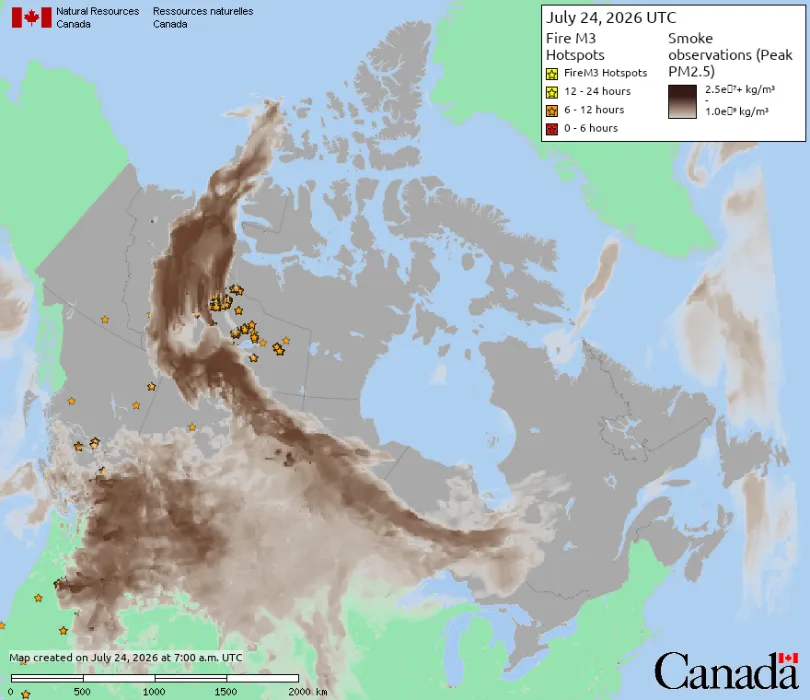
Wildfire Smoke from Canada Crosses into the United States: How Satellite Data Supports Wildfire Monitoring and Environmental Management
In mid-July 2026, smoke from wildfires burning across central Canada continued spreading southeast across the U.S.-Canada border, pushing Detroit’s Air Quality Index to its highest reported level since monitoring began in 1999. Several cities were listed among the most polluted major cities in the world during this period. A watercraft sits in the Detroit River…
-
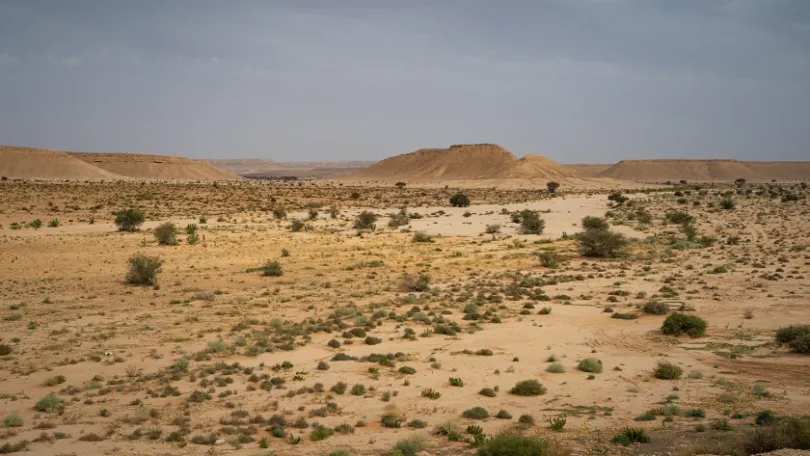
Saudi Arabia Launches 142 Sustainable Investment Opportunities: Satellite Remote Sensing Advances Ecological Monitoring
On July 3, 2026, Saudi Arabia’s National Center for Vegetation Cover Development and Combating Desertification (NCVC), in cooperation with the Federation of Saudi Chambers, announced 142 sustainable investment opportunities across the Kingdom. Covering more than 60 million square meters, the opportunities have investment periods ranging from five to 25 years and include potential projects in…
-

After the China-Saudi Space Agreement: Satellite Data Is Turning Into Real Savings
On July 13, 2026, China National Space Administration (CNSA) Administrator Shan Zhongde met in Beijing with Abdullah Alswaha, Saudi Arabia’s Minister of Communications and Information Technology and Chairman of the Board of the Saudi Space Agency. The two sides discussed cooperation across deep space exploration, space debris mitigation, and communications satellites under a bilateral space…